The Haunting of Hill House Shattered Horror TV Expectations
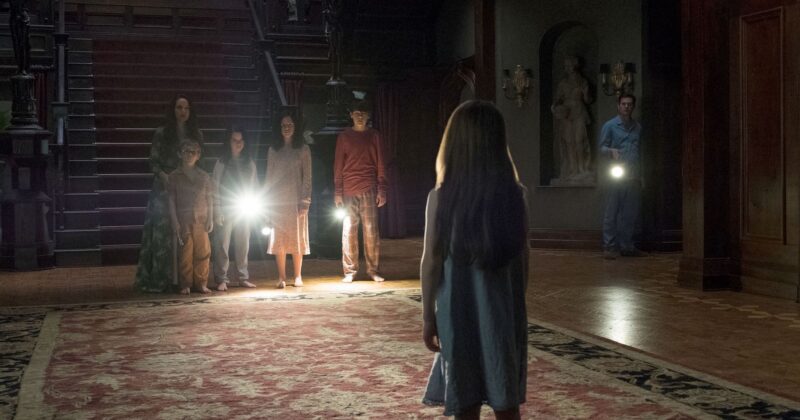
When The Haunting of Hill House debuted as a limited series, it redefined the possibilities for horror on television. Rather than chasing endless cliffhangers and dragging out mysteries, it embraced a complete, tightly woven narrative that blended psychological fear with raw family drama. The ten-part adaptation loosely inspired by Shirley Jackson’s classic novel quickly stood out, both for its sophisticated story structure and for the emotional weight carried by each haunting scene.
Why One Season Was Enough: The Power of a Self-Contained Horror Arc
At its core, The Haunting of Hill House proved that the magic of horror often lies in its finality. Each episode spotlighted a different member of the Crain family, giving audiences deeply personal perspectives, from Nell’s heartbreak in ‘The Bent-Neck Lady’ to Olivia’s unraveling in ‘Screaming Meemies’. The show’s creators understood that, unlike franchises designed for longevity, true psychological horror feeds off unpredictability and consequence—a balance often lost when series stretch beyond their natural lifespan.
With its definitive beginning and end, Hill House was able to deliver devastating twists and unforgettable scares, unconstrained by the need for future seasons. The result? Viewers experienced genuine stakes, knowing that any character could succumb to the story’s grim realities, and the show never pulled its punches to secure potential sequels.
The ‘Season 2 Slump’: A Recurring Curse in Horror TV
Horror TV has a well-documented struggle when it comes to second seasons. While shows like Twin Peaks, Stranger Things, The Walking Dead, and even Wednesday have delivered groundbreaking first seasons, their subsequent outings often falter. Too often, fresh narratives become entangled in stretched character arcs and diluted threats—problems that rarely plague self-contained anthologies or procedural formats.
Anthology series such as American Horror Story, The Twilight Zone, and Slasher cleverly sidestep this pitfall by rebooting scenarios and casts each season. Meanwhile, procedurals like Evil or the enduring The X-Files rely on a monster-of-the-week approach, keeping their core cast intact but refreshing the danger, episode by episode.
Shorter Runs, Sharper Impact: The Haunting of Hill House’s Legacy
The impact of The Haunting of Hill House echoes in how other series are evaluated today. The series’ brutal honesty—never shying away from tragic fates—established a precedent: horror can be more emotionally resonant and creatively fearless when not burdened by expectations for longevity or franchising.
The show’s narrative ruthlessness, from major character deaths to the final confrontation with the house itself, would have been diminished or entirely neutered if creators had to safeguard the cast for future seasons. Viewers accustomed to longer-running dramas, where protagonists are rarely at risk, found themselves reeling from the series’ willingness to break the rules for a stronger impact.
For those passionate about horror as a storytelling form, Hill House offers a valuable lesson: sometimes, the most resonant screams come from stories that know exactly when to fade to black. The rise of premium, self-contained series demonstrates that the genre’s future may belong to bold creators who prefer to terrify us—then leave us haunted long after the credits roll.