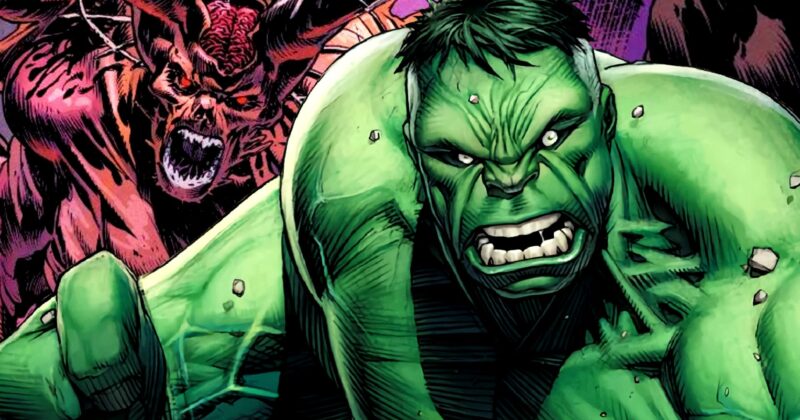
The Gamma Monster Reimagined: Hulk as a Truly Terrifying Force
For decades, the Hulk has been branded a misunderstood monster—unstoppable, tragic, and sometimes even endearing. Yet recent changes in Marvel Comics have dragged the Green Goliath into a place that fans of horror, cosmic dread, and dark fantasy will find both thrilling and chilling. With the arrival of the Infernal Hulk, Marvel pivots the character from misunderstood brute to something far more sinister—a horror icon that could redefine what Hulk means for both comics and cinema.
The Birth of Infernal Hulk: Marvel’s Folk Horror Masterstroke
Classic Hulk stories always toyed with his monstrous nature, but the latest creative direction leaps into the realm of genuine horror. The Infernal Hulk emerges after the events of Al Ewing’s mind-bending ‘The Immortal Hulk,’ thanks to Phillip Kennedy Johnson’s current run. This new form isn’t just another alter ego fighting for control; he’s unleashed by primordial, supernatural forces, carrying the flesh of the Mother of Horrors and possessed by an eldritch entity known as Eldest. He doesn’t bargain, doesn’t care for Bruce Banner, and doesn’t hesitate to cast his human counterpart aside to sink the world into darkness.
Drawing inspiration from the unsettling visuals and mythos of Mike Mignola»s Hellboy and the atmospheric horror of Guillermo del Toro, Infernal Hulk drenches each panel in surreal, nightmarish imagery. The art style amplifies Hulk’s rampages, giving them a grotesque detail never seen before and transforming even the most familiar Marvel characters into unsettling figures shaped by this new, darker tone.
Understanding Hulk’s Evil: More Than Just Rage
The Hulk’s various incarnations—Devil Hulk, Kluh, Guilt Hulk—have personified Banner’s trauma, rage, and sorrow, but Infernal Hulk is something else entirely. He is an avatar of evil itself, untethered from Banner’s mind, unimaginable in his cruelty. Where other Hulks may seek peace or power, Infernal Hulk desires pure destruction. The separation from Bruce Banner means he can’t be reasoned with, negotiated with, or subdued by traditional superhero tactics. He only wants to extinguish hope, and Marvel’s mightiest heroes are now living in the terror Banner has always known—powerless, watching evil incarnate run loose.
Supernatural Darkness vs. Cosmic Horror: The New Face of Hulk
Previous dark Hulk storylines, such as ‘The Immortal Hulk,’ relied on body horror and cosmic dread. Infernal Hulk flips the script with a heavy focus on folk horror: ancient evils, corrupted forests, and predatory deities. Settings like the Hulkscape twist reality into fever nightmares, and even powerhouses like Namor or teams like the Avengers find themselves overwhelmed by the contaminated atmosphere—a sharp departure from Hulk stories dominated by brute force brawls.
From Page to Screen: Why the MCU Needs a Horror Hulk Now
The Marvel Cinematic Universe’s evolution of the Hulk has leaned into humor and relatability, especially with the Smart Hulk persona. But the risk of losing the character’s threatening edge is real; the MCU’s most recent portrayals pale in comparison to the terrifying possibilities presented in the comics. Excitingly, upcoming changes hint that Banner might devolve again, returning Hulk to a savager, more primal version—an open door to explore the monster’s horror roots.
The MCU has already teased these moments, with scenes in ‘The Incredible Hulk’ and ‘The Avengers’ where the character hunted soldiers and heroes through darkness, invoking slasher film energy. But they’ve never fully embraced true terror. The Infernal Hulk’s horror could radically elevate future Marvel movies, taking cues from del Toro’s creatures and Hellboy’s folklore terrors, and daring to drop the safety net that’s always shielded audiences from Hulk’s full monstrosity.
Why Hulk’s Horror Turn Matters in Comics and Pop Culture
Marvel’s decision to finally let Hulk loose as an agent of unfiltered evil is both a technical and narrative escalation. It allows for visually stunning storytelling and forces every hero, from Iron Man to the X-Men, to approach the threat as more than just a physical problem. For the comics sphere, it’s a return to the character’s gothic horror roots—Dr. Jekyll and Mr. Hyde, but updated for an era obsessed with folk horror, twisted nightmares, and unstoppable evil.
With Infernal Hulk now firmly part of the Marvel mythos, both comic book pages and, potentially, future MCU projects stand poised on the cusp of a new era—one that truly harnesses the horror within the world’s mightiest monster.