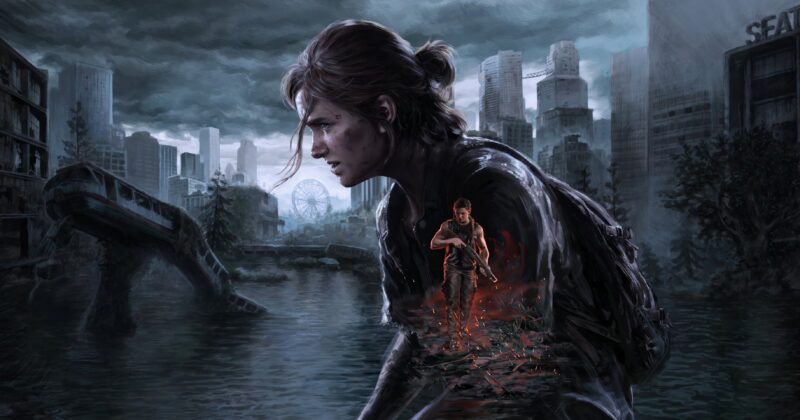
The Unstoppable Hype Behind The Last of Us Part III
There are few franchises in modern gaming that ignite as much anticipation as The Last of Us. Since the ground-breaking impact of its last entry, fans are constantly scrutinizing every interview and statement from Naughty Dog, hoping for an official confirmation of Part III. While there’s still no hard announcement, the digital rumor mill hasn’t slowed, energized by cryptic hints and impassioned community speculation.
Why Fans Are Desperate for More
The Last of Us has never shied away from raw emotional storytelling and complex character arcs. The conclusion of Part II, with Ellie and Abby’s journeys diverging into open-ended territory, left players craving closure. The world’s gritty realism and moral ambiguity have fostered one of the most engaged communities in gaming, eager for another chapter to resolve unfinished business and introduce new perspectives.
Across fan forums and discussions, a recurring theme emerges: the fate of beloved characters such as Ellie, Abby, Dina, and Tommy feels incomplete. The unfinished arcs and emotional fallout keep discussions alive, with fans dissecting every line ever spoken by Neil Druckmann, the studio head. A passing comment in a recent interview—suggesting a strong new concept had finally emerged—has only ramped up speculation.
Naughty Dog’s Careful Approach to Sequels
It’s important to recognize that Naughty Dog is not a studio that rushes sequels. The creative team has made clear that they would only pursue a third entry if it felt fully justified by a compelling concept, not out of fan pressure or mere commercial interest. This careful curation echoes in Druckmann’s statements, emphasizing the need for a story-worthy angle before advancing the franchise.
Interestingly, there was discussion of spinoffs—projects that might explore side stories, possibly focused on characters like Tommy, or media beyond games, such as television, in tandem with the acclaimed adaptation on HBO. This cross-media flexibility highlights how The Last of Us has transcended its origins, becoming a cultural touchstone as much as a game.
The Community Reacts: Passion, Division, and Hope
If there’s a single unifying trait among the fanbase, it’s passion. Online, some players express unyielding excitement at even the hint of continuation. Comments on social platforms range from all-caps declarations of joy to pleas for narrative justice for Ellie and others. Yet, there’s also a thoughtful minority who appreciate ambiguous endings and caution against sequels driven by fan demand rather than creative necessity.
The second game’s critical and commercial triumph, not to mention its polarizing narrative choices, shows how invested the community remains. Some fans insist that the saga’s characters, emotionally battered but unfinished, still have ground to cover. Respectful disagreements keep conversations meaningful, and any scrap of new information is dissected with enthusiasm reminiscent of the early HBO show leaks.
Technical Mastery and the Legacy of The Last of Us
Behind the fan fervor lies a technical powerhouse. The Last of Us games have long set a standard for atmospheric design, animation, and performance capture in interactive storytelling. Built on Naughty Dog’s proprietary engine, with industry-leading physics powered by Havok, the series fuses cinematic realism with intense, visceral gameplay. Each installment has expanded on what’s possible for the action-adventure genre.
- Mature Storytelling: The games are noted for their nuanced approach to violence, trauma, and survival, often sparking debates about ethics and empathy in digital storytelling.
- Critical Acclaim: Part II holds an exceptional critic average and remains in the upper echelons of modern gaming according to OpenCritic.
- Expansive Expansion: ‘Left Behind’ set a precedent for meaningful game expansions, delving into backstory and character relationships on a level rarely seen in the industry.
These achievements solidify The Last of Us as the yardstick by which narrative-driven games are measured, inspiring both developers and players to seek deeper involvement in story-rich digital worlds.
What’s Next: Watching, Waiting, and Analyzing Every Hint
With the possibility of Part III lingering, the conversation among fans and critics showcases the unique position The Last of Us occupies in pop culture. Whether we see a direct continuation, a spin-off, or a fresh take through a new medium, the community is watching closely, parsing every quote from Naughty Dog’s leadership for clues.
The Last of Us continues to set expectations for narrative ambition in games. For those who track every development—creator interviews, story seeds, and community debates—this franchise remains a beacon for the future of interactive storytelling. As rumors swirl and anticipation mounts, all eyes remain fixed on what could be the defining next step in the saga’s legacy.