The Lion King Song Lawsuit: Culture Clash, Viral Comedy & the Limits of Parody
The Viral Translation That Sparked a Legal Battle
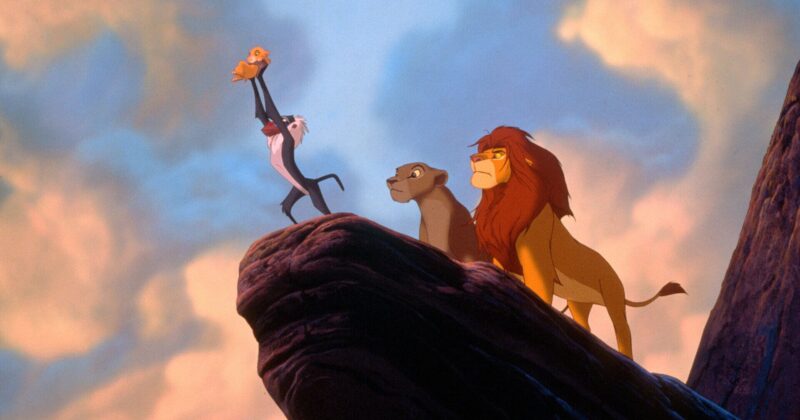
In the digital age, the echo of a single joke can quickly reach millions, reshaping public perceptions—and sometimes, legal boundaries. This is the scenario unfolding around The Lion King‘s iconic ‘Circle of Life’ chant, made globally famous by its role in Disney’s legendary film. What began as viral comedy has now fueled a lawsuit with serious implications for creative interpretation and cultural authenticity.
The Comedian, the Chant, and a Global Audience
Jonasi, known for his blend of sharp wit and stage presence following a stint on America’s Got Talent, sent waves through social media with his comedic ‘translation’ of the film’s opening lines. On the widely-followed One54 Africa podcast, Jonasi claimed the Zulu chant—‘Nants’ingonyama bagithi Baba’—meant ‘Look, there’s a lion. Oh my God.’ The humor resonated, and the bit quickly spread beyond the comedy circuit, becoming a viral meme and garnering mainstream coverage.
Yet this moment of levity struck a nerve. Lebohang ‘Lebo M’ Morake, the celebrated South African musician behind the chant, responded with a multimillion-dollar lawsuit alleging defamation, false advertising, and trade libel. Morake’s complaint, filed in 2026, contends that the comedic translation distorted the chant’s cultural and artistic significance, harming both reputation and income.
Why the Meaning Matters: The Cultural Weight of ‘Circle of Life’
Far more than an attention-grabbing movie intro, the chant at the heart of this battle has deep roots. Disney’s official translation references royalty and reverence: ‘All hail the king, we all bow in the presence of the king.’ Lebo M and Disney have both emphasized that the lyrics offer a powerful metaphor—a community’s homage to their leader—rather than merely describing the arrival of a wild animal.
This distinction isn’t hairsplitting. For many, especially within the Zulu-speaking and South African communities, the chant serves as a potent cultural symbol. Its representation extends beyond entertainment, entwining identity, heritage, and pride on a global stage.
Legal Boundaries: Comedy, Parody, and Artistic Ownership
What makes this case uniquely fascinating for digital culture observers is the nature of the legal challenge. While parody and critique often enjoy First Amendment protections in the United States, Morake’s legal team argues that Jonasi’s translation—presented as definitive fact—crossed from satire to misinformation. The cited use of the Lanham Act, traditionally aimed at counterfeit goods and false advertising, introduces an unexpected twist. Rarely is this law wielded against jokes told on podcasts or comedy stages.
Jonasi has not shied away from the controversy, instead taking to Instagram to poke fun at the lawsuit while asking for ‘good lawyers’—again blurring the line between comedy performance and real-life legal headaches. He even shared a live reaction to being served papers during a stand-up set, turning reality into showbiz one more time.
Culture, Law, and the Digital Stage
This isn’t just a battle over words. The outcome could help define how far comedians and creators can go in transforming works with deep cultural roots when performing for massive online audiences. As copyright law, cultural respect, and digital virality increasingly intersect, the case could become a reference point for future debates.
The conflict underscores how beloved franchises like The Lion King become more than just entertainment. They are living, evolving objects of global meaning—and, as this legal saga proves, sometimes the stage for complex questions of respect, ownership, and where humor meets heritage.