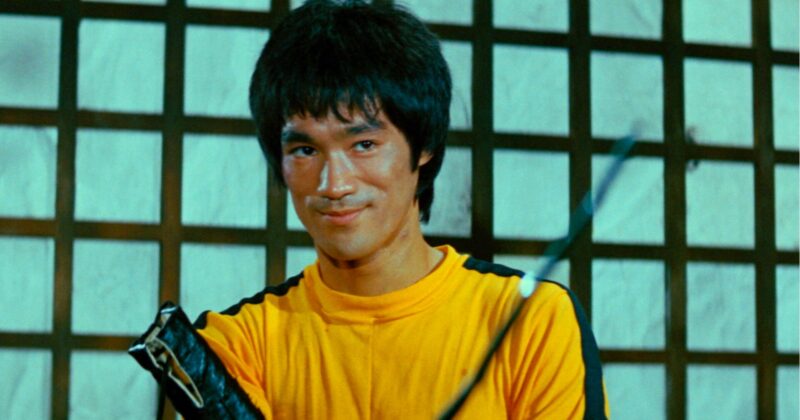
The Martial Arts Classic That Could Have Redefined Action: When Bruce Lee Almost Starred in a John Wick-Style Epic

A Lost Legend: The Bruce Lee Project That Never Was
Imagine a world where the electrifying energy of Bruce Lee took center stage in a film that anticipated the visceral, relentless action of today’s John Wick saga. This is not a mere flight of fancy—the groundwork was there for Lee to headline an action thriller that, decades later, feels startlingly ahead of its time. The project in question is A Man Called Tiger, a Hong Kong martial arts thriller that blends revenge, style, and an uncompromising focus on single-handed combat. Every fan of action cinema has at some point wondered: what would that look like with Bruce Lee leading the mayhem?
The Collaboration That Could Have Shaken Cinema
A Man Called Tiger comes from the creative force of Lo Wei, the director behind Bruce Lee’s explosive breakout features. The film’s plot unfolds in early 20th-century Japan, where the protagonist, Chin Fu, becomes a juggernaut of vengeance against a deadly gang responsible for his father’s demise. Martial arts star Jimmy Wang Yu turned this role into a career-defining performance, but initially, it was Lee who was supposed to embody Chin Fu.
The Rivalry That Ignited a New Era
Lee’s choice to pass on the project was more than just a scheduling decision—it’s rooted in a transformative rivalry. As revealed by biographer Matthew Polly, Lee was driven by the example set by Wang Yu, who had revolutionized the genre as the writer, director, and star of The Chinese Boxer. To Lee, the chance to break new ground by directing, writing, and starring in his own material—what would become Way of the Dragon—outweighed another starring role for Golden Harvest studios. This marked a pivotal moment not just for Lee’s career, but for the entire martial arts genre, opening up new pathways for creative autonomy and personal storytelling in action cinema.
A Film Ahead of Its Time: The John Wick Connection
While Bruce Lee’s absence might have denied the movie a place among global blockbusters, Jimmy Wang Yu delivers an electrifying performance that presages the modern action hero archetype. His portrayal of Chin Fu is ruthless, methodical, and entirely devoid of mercy—strikingly similar to the ethos of modern-day action protagonists like Keanu Reeves’ John Wick. The choreography stands out for its swift violence, tactical precision, and a noticeable escalation in body count, all underscored by visually dramatic choices—Chin Fu’s immaculate white suit gradually becoming saturated in blood as he carves a path through his enemies.
Legacy and Influence in Today’s Action Cinema
A Man Called Tiger has long remained an underrated gem, its legacy overshadowed by what might have been if Bruce Lee had taken the lead. Yet, for fans of the genre, the film offers a fascinating glimpse at the style, tone, and narrative obsession with personal vengeance that continues to influence contemporary cinema. The shadow of Lee looms large, but Jimmy Wang Yu’s fearless performance ensures the film stands on its own as an essential piece of martial arts history.
Why It Still Matters
Today, as action movies draw increasingly from the martial arts tradition—seen everywhere from Hollywood blockbusters to streaming sensations—the DNA of stories like A Man Called Tiger is more relevant than ever. The film’s mix of style, substance, and singular focus on action over spectacle continues to inspire directors, fight choreographers, and audiences who crave something more elemental from their adrenaline rush. It’s a reminder that sometimes, the stories left untold are just as compelling as those that make it to the big screen.