The Evolution of Action Cinema Across Decades
Action films are much more than explosive spectacles—they are cultural milestones that often redefine what audiences expect from blockbuster entertainment. Over the decades, the genre has evolved dramatically, marked by innovation in stunts, storytelling, and visual effects. Let’s trace the pulse-pounding journey of action movies across the past century and see which films left the deepest impact on pop culture and filmmaking itself.
The 1920s: The Beginnings of Spectacle
No discussion of early cinema action is complete without The General, a Buster Keaton masterpiece. Blending comedy with sheer physical risk, Keaton engineered train chases and stunts that still fascinate filmmakers today. What makes these sequences remarkable is the absence of modern safety measures or visual effects—every jump, crash, and near-miss was painstakingly staged, making the film a practical effects marvel long before CGI.
The 1930s: Mastering the Western Formula
In a decade when narrative and character growth were prioritized, action came in precise doses. Stagecoach, led by John Wayne and directed by John Ford, cemented the Western as a vehicle for tension and heroism. Its Apache attack sequence stands out for merging rear-screen projection with practical stunts, a technique that continues to influence action setpieces today. The scene remains a template for escalating conflict and character-driven danger.
The 1940s: The Prototype of the Modern Vigilante
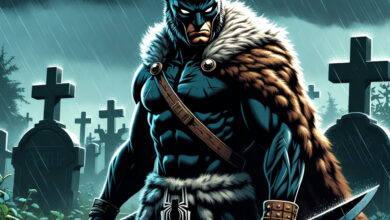
If today’s superheroes owe a debt, it’s to films like The Mark of Zorro. Tyrone Power portrayed Diego—a seemingly feckless nobleman by day and masked defender by night—a character arc that has echoed into Batman’s mythos. The film’s swordfight choreography and charismatic rivalry set the gold standard for swashbuckling adventure, inspiring countless adaptations and fan homages.
The 1950s: Tension at Its Purest
The Wages of Fear is a masterclass in relentless tension and minimalist storytelling. The movie crafts suspense from the simplest premise: four men hauling nitroglycerin over deadly roads. Its handcrafted suspense inspired thrillers for decades—proof that effective action doesn’t always require a barrage of explosions but an expert understanding of stakes and pacing.
The 1960s: The Spy Craze Goes Global
Goldfinger transformed James Bond from literary secret agent into a cinematic legend. Everything we associate with spy action—gadgets, debonair villains, impossible heists—clicked into place in this entry. The iconic Aston Martin chase and Fort Knox showdown continue to echo throughout the Bond franchise, setting a formula for globe-trotting intrigue that franchises still emulate.
The 1970s: Grit and Realism Take Center Stage
With Dirty Harry, action moved from sunlit Western plains to the gritty, urban landscape. Clint Eastwood's Harry Callahan became an antihero for a new generation—a cop battling both criminals and red tape. The film is remembered for its raw energy and its influence on countless renegade detective stories in both cinema and TV dramas.
The 1980s: Redefining the Action Hero
The decade of over-the-top heroes got a shock with the release of Die Hard. Bruce Willis's John McClane was an everyman—vulnerable, witty, and painfully human—caught in an escalating terrorist siege. The film's blend of sharp dialogue, real stakes, and unforgettable villainy by Alan Rickman became industry benchmarks. Its legacy? Every subsequent action film with a «trapped and outnumbered» hero owes Die Hard a nod.
The 1990s: Balletic Mayhem and Visual Innovation
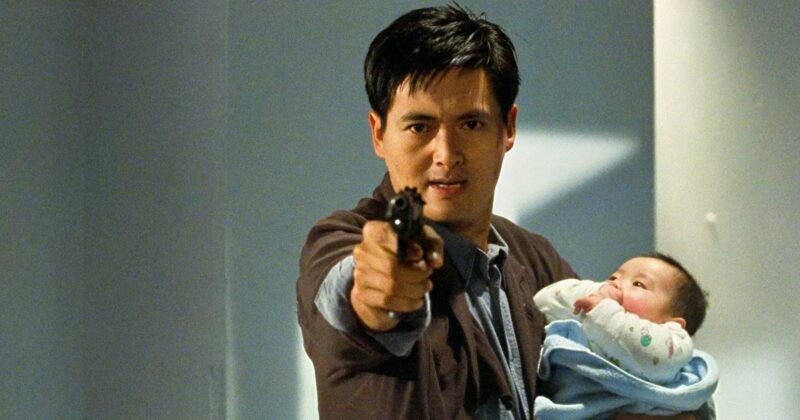
If John Woo is the poet of action cinema, Hard Boiled is his magnum opus. Chow Yun-fat's «Tequila» brings gravity and style to balletic gunfights across Hong Kong's underworld. The film's kinetic direction and inventive choreography—especially the legendary hospital shootout—influenced Western filmmakers and paved the way for modern action aesthetics, including the now famous «gun-fu» technique.
The 2000s: Stylistic Excess Anchored by Revenge
Kill Bill: Volume 1 saw Quentin Tarantino draw inspiration from samurai cinema, spaghetti westerns, and classic martial arts films, blending them into a singular, hyper-stylized vision of vengeance. Uma Thurman's Bride slashes her way through some of the genre's most creative fight choreography—culminating in the visually stunning House of Blue Leaves sequence. The film's kinetic energy and pop culture nods make it a benchmark for action stylists.
The 2010s: A Modern Epic Redefines the Genre
Mad Max: Fury Road marks a high point for practical effects and world-building. Every detail in George Miller's postapocalyptic saga is hand-crafted, every chase sequence a symphony of chaos and momentum. «Fury Road» captured the imagination of audiences and critics alike thanks to its relentless pace and nuanced characterization—particularly Charlize Theron's Imperator Furiosa, an action icon for a new era. The film’s immersive design and expert stunt work re-energized the action genre for a new generation of viewers and filmmakers.