The Console That Changed Everything
While the Nintendo GameCube didn’t dominate its generation in sales, its impact on the world of gaming is undeniable. Sheltered in a compact, toy-like shell with tiny discs, it became the unlikely home of iconic innovations and timeless classics, setting the course for franchises and genres that thrive today. Here, we break down the GameCube’s defining releases—games that did far more than just fill the shelf.
Eternal Darkness: Sanity’s Requiem — A Mind-Bending Horror Classic
The psychological horror experiment that left its mark far beyond its own cult fanbase. Unlike the more mainstream scares that the Resident Evil series brought to GameCube, Eternal Darkness introduced the legendary «Sanity» mechanic, plunging players into an unnerving spiral where the boundaries of the game and reality blurred. Flickering screens, swapped controller inputs, «fake» system crashes—every trick in the book kept players guessing and helped inspire the fourth-wall-breaking fear found today in games like Amnesia: The Dark Descent. Choices branched, consequences felt real, and the doors to psychological horror on consoles swung wide open.
Soulcalibur II — The Cross-Platform Fighter That Brought Link to the Arena
What happens when the Master Sword meets the fighting world? While other versions had Heihachi or Spawn, only the GameCube edition of Soulcalibur II let players wield Link in beautifully choreographed weapon battles. This wasn’t just a gimmick—Soulcalibur II streamlined fighting mechanics for accessibility while maintaining tactical depth, resulting in one of the purest competitive fighters of its day. The franchise has seen worthy entries since, but few matched the vibrant energy and balanced fun of this installment.
Pikmin — Where Strategy Meets Heart
Nintendo proved its creative prowess again with Pikmin. Shigeru Miyamoto’s botanical brainchild defied genres, as players balanced the delicate lives of their colorful Pikmin against environmental puzzles and time pressure. Every decision mattered—every lost Pikmin stung. The series continues to build on this formula, but the original’s combination of real-time strategy and emotional investment made for a uniquely memorable journey, unmatched in its blend of charm and challenge.
Metroid Prime — Reinventing Exploration
Metroid Prime reimagined the revered Metroid formula for a new era, switching to a first-person perspective while retaining the essence of exploration and isolation. Metroid’s atmospheric worldbuilding converged with shooter mechanics, paving the way for a new breed of «first-person adventure» games. The echoes of Prime’s influence resound in games like Metroid Prime Remastered, but also in modern immersive titles like Subnautica. As the series carries on, the shadow cast by this GameCube entry only grows more pronounced.
Super Smash Bros. Melee — The Competitive Icon
The original Super Smash Bros. was a fun surprise, but Melee was a revolution. Packing an expanded roster, refined physics, and speedier combat, it quickly became a mainstay at tournaments and casual gatherings alike. Beneath its deceptively simple surface, advanced techniques emerged—wave-dashing, L-cancelling—inviting hardcore players to redefine what was possible. Even years later, the Melee scene thrives, and its DNA can be found in contemporary platform-fighters, but none rival the community or legacy of Melee itself.
Animal Crossing — The Blueprint for the Cozy Game Craze
Before the explosion of «cozy» social simulators, Animal Crossing laid the template. On GameCube, players built lives at their own pace, befriending quirky animal neighbors, fishing, and decorating their homes in real-time. The original lacked some of the conveniences of New Horizons, but its unique personality and humor still shine brightest for many series veterans. Much of the slow-living genre’s boom can be traced directly to these charming beginnings.
Resident Evil 4 — Redefining Action-Horror
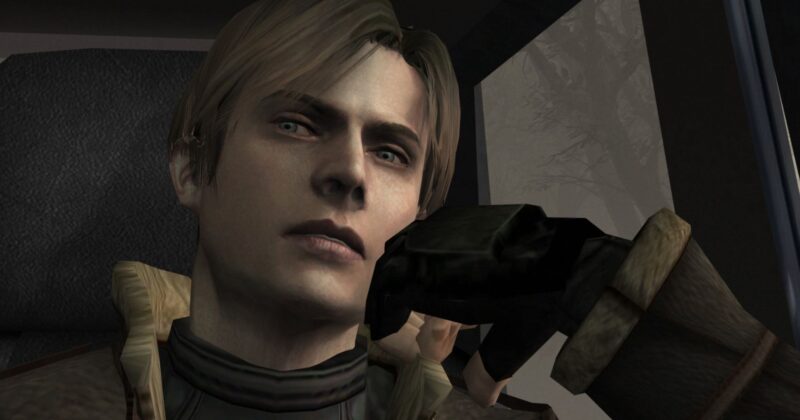
Resident Evil 4 set the gold standard for third-person action, moving away from survival horror’s slower pace toward cinematic, heart-pounding firefights and memorable set pieces. Its new camera perspective, responsive gunplay, and tightly choreographed action sequences became the template for modern shooters from Uncharted to Gears of War. The game’s recent remake is a testament to its staying power, but the GameCube original remains an essential experience for anyone exploring the roots of modern action games.
The Legend of Zelda: The Wind Waker — A Storied Voyage
The Wind Waker dared to steer in a radically new direction, with its vivid cel-shaded graphics dividing fans at launch. Over time, though, its gorgeous art, emotive storytelling, and open-seas exploration proved visionary. Many players now consider it among the finest adventures in Zelda’s storied history, with its influence visible in games that embrace stylized visuals and open-world design. Today, Wind Waker stands as proof that bold risks can pay off with timeless rewards.