Exploring the New Age of Sci-Fi TV Excellence
In recent years, science fiction television has undergone a remarkable transformation, embracing profound themes and technological anxieties while delivering unforgettable storytelling. The following series stand as milestones in the genre, pushing boundaries and leaving a significant mark on both pop culture and the hearts of their audiences.
Black Mirror: Technology’s Modern Nightmares
Few shows have captured the collective digital anxiety of our era like Black Mirror. Conceived by Charlie Brooker, this anthology turns a satirical lens on the ways technology shapes our lives, often with chilling consequences. Each episode delivers a self-contained story, tackling issues from artificial intelligence to the dangers of social media—paralleling the structure of classic anthologies like The Twilight Zone, but grounded in immediate contemporary fears. Black Mirror evolved from a cult British hit to a global phenomenon on Netflix, its cinematic style and top-tier casting making every episode a visual and thematic spectacle.
For All Mankind: Rewriting Space History
What if the Space Race never ended? For All Mankind answers this question by presenting an alternate timeline where the Soviet Union sets the pace for space exploration. Crafted by Ronald D. Moore, the mind behind sci-fi staples like Star Trek and Battlestar Galactica, the series offers not just stellar production values but also a thoughtful meditation on ambition, rivalry, and the human spirit. The show found its narrative rhythm after its early episodes, now standing among the most acclaimed pieces of modern science fiction television.
Cyberpunk: Edgerunners – Anime Reinvents a Game
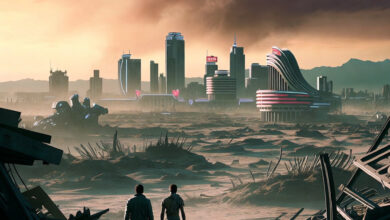
Cyberpunk: Edgerunners bridges the electric universe of the videogame Cyberpunk 2077 with cinematic anime storytelling. Defying the checkered history of game adaptations, Edgerunners blends explosive visuals, deep worldbuilding, and sharply written characters. Though conceived as a standalone, its success has warranted follow-ups and ignited interest in cross-media adaptations that respect both source material and anime artistry.
Orphan Black: The Clone Mystery
At the heart of Orphan Black is a masterclass in acting by Tatiana Maslany, who disappears into a myriad of genetically identical—but emotionally distinct—characters. What begins as a thriller about identity theft spirals into a gripping investigation of biotech, identity, and chosen family. The show’s nuanced characters and twisting plot lines elevate it above standard sci-fi mysteries, offering viewers complex ethical dilemmas and honest depictions of community among misfits.
Rick & Morty: Animated Anarchy in the Multiverse
It’s impossible to ignore the cultural impact of Rick & Morty. What started as a raucous, irreverent animated comedy about a dysfunctional genius and his teenage grandson spiraled into a series that deftly tackles multiverse theory, quantum weirdness, and existential crises. The show marries boundary-pushing humor with occasional bursts of surprising emotional depth, creating a loyal fanbase and redefining what adult animation can achieve within sci-fi frameworks.
Severance: Work-Life Balance As Dystopia
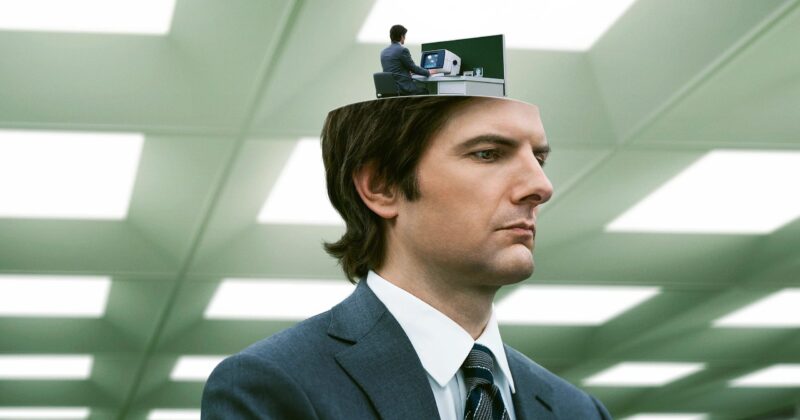
In Severance, Ben Stiller subverts the office drama with a bold sci-fi twist: technology that surgically divides your work memories from your home life. As employees become literal dual selves—termed ‘innies’ and ‘outies’—the series confronts questions about identity, sacrifice, and freedom in the age of tech-driven corporate culture. It’s a razor-sharp blend of suspense, social satire, and tech noir, set entirely within the fluorescent-lit corridors of a faceless conglomerate.
Arcane: Legends Reimagined in Stunning Animation
Arcane takes the sprawling world of League of Legends and distills it into an emotional, tightly-plotted saga about two sisters torn by war and ambition. With mesmerizing animation, layered storytelling, and rich character work by voice talents like Hailee Steinfeld and Ella Purnell, Arcane has won over both hardcore gamers and newcomers. Its accessibility and craftsmanship push the limits of what adaptations can accomplish, cementing its place as one of the best sci-fi shows of its time.
Dark: German Time-Travel Intrigue
German series Dark is often cited as a worthy successor to Twin Peaks: part strange small-town drama, part mind-bending sci-fi. With intricately layered time travel plots and a deep focus on human relationships, Dark demands attention to detail and rewards viewers with an elaborate, emotionally resonant story. Its moody visuals, careful pacing, and multigenerational mysteries have become a benchmark for international genre television on streaming platforms.
Andor: Star Wars Grows Up
Disregarding the nostalgia-driven trappings of much modern Star Wars, Andor zeroes in on the gritty realities of rebellion under authoritarian rule. Tony Gilroy’s writing focuses on overlooked revolutionaries, building real-world resonance with layered characters and morally complex storytelling. This series trades space opera spectacle for a nuanced exploration of resistance, making it a standout not just among Star Wars titles but in prestige television as a whole.
The Expanse: Realpolitik Beyond Earth
Adapted from the celebrated novels by James S.A. Corey, The Expanse offers a rare blend of hard science, nuanced politics, and gripping adventure. The show depicts a solar system where Earth, Mars, and the Belt are locked in uneasy tension, with mysterious alien technology threatening to upend civilization. Beyond its space-opera trappings, The Expanse is a shrewd political thriller, brought to life with layered worldbuilding and a compelling ensemble cast.