Invincible’s Defining Confrontation: When Omni-Man Met Debbie Again
In the landscape of animated superhero series, Invincible has continually raised the bar—not just with kinetic battles and cosmic threats, but through its deeply personal storytelling. The latest season brings what many now consider the show’s most powerful «fight», in which not a single punch is thrown. The tension between Omni-Man and Debbie Grayson was years in the making, and its payoff is a masterclass in character drama.
Not Just Another Superpowered Showdown
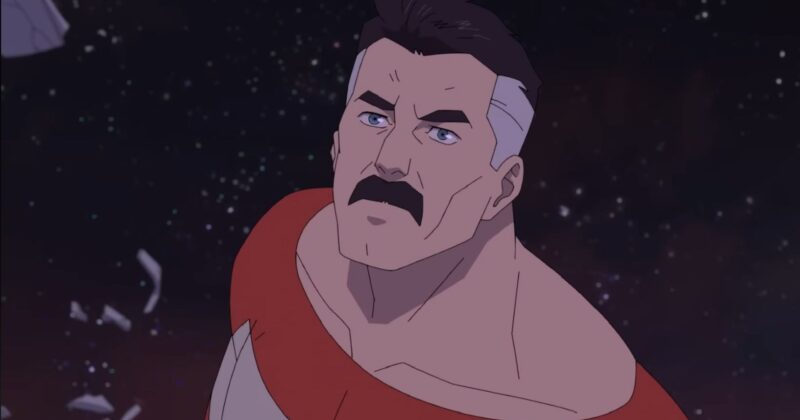
Following Mark Grayson’s drive to confront the Viltrumites, heavyweights like Omni-Man, Allen the Alien, Oliver, and Tech Jacket rally to the Coalition of Planets. It’s a lineup that promises spectacle. Yet, the reunion viewers couldn’t stop anticipating was much quieter and more devastating—Omni-Man finally returning to see his former wife, Debbie.
Since Omni-Man’s earth-shattering betrayal, Debbie’s life has been upended. Unlike physical violence, emotional scars are slower to heal, and Debbie wears hers boldly. The scene where she opens the door to Nolan radiates raw suspense—would she forgive him, rage at him, collapse, or all three in turn?
Voice Acting That Elevates Animation
This confrontation offers one of Invincible‘s most heart-wrenching performances. J.K. Simmons (Omni-Man) conveys layers of regret and longing, but Sandra Oh’s portrayal of Debbie steals the spotlight. The voice acting here isn’t just technically impressive—it delivers the authenticity of trauma, unresolved anger, and the stubborn resolve to protect oneself after betrayal. For animation fans, it’s a reminder why Prime Video’s Invincible is redefining what «adult animation» can accomplish.
Who Truly Wins When Family Breaks Apart?
Unlike physical contests, the winner here is measured by who maintains their integrity. Debbie’s pain is entirely justified—her anger not just cathartic but necessary. Omni-Man’s apology floats awkwardly in the air; audience expectations are subverted as Debbie shuts him down, refusing quick forgiveness. Her action resonates with viewers who’ve followed her journey through therapy, her tentative steps towards new happiness, and her efforts to redefine her life after trauma.
There’s a powerful subtext: while Debbie may have «won the battle» by refusing to let Nolan back into her life on his terms, she is still wrestling with the consequences of his actions. It’s a devastatingly real depiction of how even the strongest among us can’t simply reset after betrayal—especially when the wounds are inflicted by someone we loved.
The Chances of Reconciliation—and How the Show Transcends the Comics
In the original comics, Debbie eventually finds a way to forgive Omni-Man. The show, however, has made significant changes to Debbie’s journey, giving her more space, agency, and new connections (like her relationship with Paul, a character absent from the source material). These developments make a full reconciliation with Nolan unlikely—at least without undermining the depth of her arc and the authenticity of her growth.
Introducing Paul was a deliberate choice, signaling the creators’ intent to let Debbie forge a reality outside the shadow of Omni-Man. If Debbie’s storyline simply reverted to the comics, much of this evolution would lose its meaning, and the nuanced depiction of trauma and healing would ring hollow.
Invincible: More Than Superhero Spectacle
What sets Invincible apart in a crowded genre is precisely these moments where superhuman stakes take a back seat to intensely personal storytelling. Even as the show delivers high-octane Viltrumite battles, it’s in these delicate, emotionally fraught scenes that Invincible truly lives up to its name. The emotional realism on display as Omni-Man begs for redemption and Debbie refuses to give in is quietly shattering; these moments dare to suggest that the hardest fights are fought not with fists, but with forgiveness—and the will to walk away.