The Most Terrifying Horror Movies Inspired by Books: A Deep Dive into Page-to-Screen Nightmares

The Enduring Legacy of Literary Horror on the Big Screen
Horror cinema has always drawn inspiration from the written word, bringing to life some of the most chilling nightmares ever imagined. Stories that first terrified readers have become foundational to the film genre, transforming fleeting pages into images burned forever into collective memory. Here’s an exploration of the horror movies, each rooted in remarkable books, whose terror lingers long after the credits roll.
Carrie
Based on Stephen King’s debut novel, ‘Carrie’ remains a milestone in both young adult horror fiction and cinema. Director Brian De Palma elevates the raw emotion of King’s narrative, with Sissy Spacek’s performance capturing the vulnerability and wrath of a teenage outcast pushed to extremes. The prom scene stands as a technical and emotional masterclass—an unforgettable blend of color, dread, and unleashed power. The film echoes visual motifs reminiscent of Dario Argento’s giallo style, marrying supernatural horror with real-world pain.
The Invisible Man
This recent reimagining of H.G. Wells‘ classic unleashes more than just a monster; it delivers incisive social commentary on trauma and control. Rather than retelling the Victorian narrative, the film pivots to Cecilia’s perspective, giving viewers a harrowing look into the aftershocks of abuse. Elisabeth Moss delivers a career-defining performance, and Leigh Whannell’s direction balances invisible terror with a disquieting depiction of modern gaslighting, ensuring its place as a standout in 21st-century social thrillers.
Let the Right One In
John Ajvide Lindqvist’s Scandinavian vampire novel finds haunting adaptation in a film that shuns traditional horror tropes in favor of emotional depth. Frigid cinematography visualizes both the bleak setting and the isolation of the film‘s young protagonists. Their understated friendship—dangerous yet tender—grounds every chilling moment, culminating in the celebrated pool sequence that juxtaposes innocence and brutality in breathtaking fashion.
The Haunting
Without relying on special effects or jarring scares, this adaptation of Shirley Jackson‘s The Haunting of Hill House builds its horror through psychological tension and subtle, almost imperceptible supernatural events. The unseen terror lurking in Hill House, amplified by Robert Wise’s nuanced direction, makes the atmosphere itself a character—a perfect study in suspense that has remained potent for decades, influencing everything from recent Netflix series to modern slow-burn horrors.
The Shining
Although Stanley Kubrick’s The Shining famously diverges from Stephen King’s original novel, the result is a film that amplifies claustrophobia and dread through meticulous cinematography and unsettling sound design. The Overlook Hotel becomes a labyrinthine nightmare, while Jack Nicholson delivers menace and unpredictability in every scene. Kubrick’s vision is inextricably intertwined with the evolution of psychological horror in cinema, regardless of how it contorts its original source.
Psycho
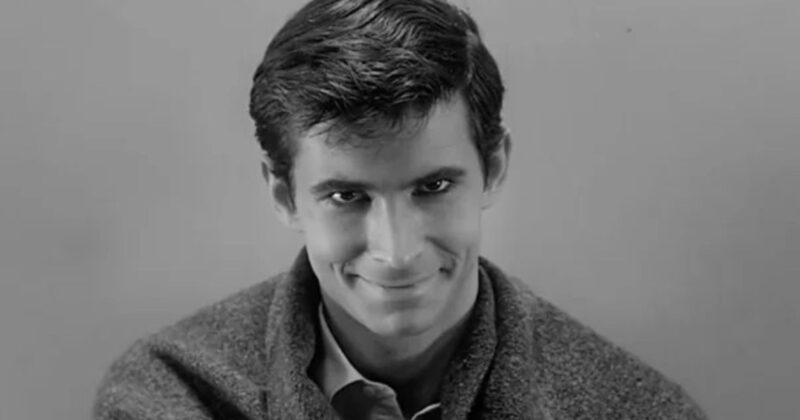
Adapted from Robert Bloch’s novel, Psycho redefined the thriller genre forever. Alfred Hitchcock introduced viewers to Norman Bates—a character brought chillingly to life by Anthony Perkins. The now-infamous shower scene, punctuated by Bernard Herrmann’s screeching score, has become shorthand for cinematic terror and the complex relationship between horror and suspense.
Each of these adaptations demonstrates how the transition from page to screen can amplify literary horror, making the intangible anxieties of books tangible through performance, direction, and technical prowess. In each case, the fears and themes at the core of their stories remain as relevant—and terrifying—as ever, reshaped for a new era of audiences.