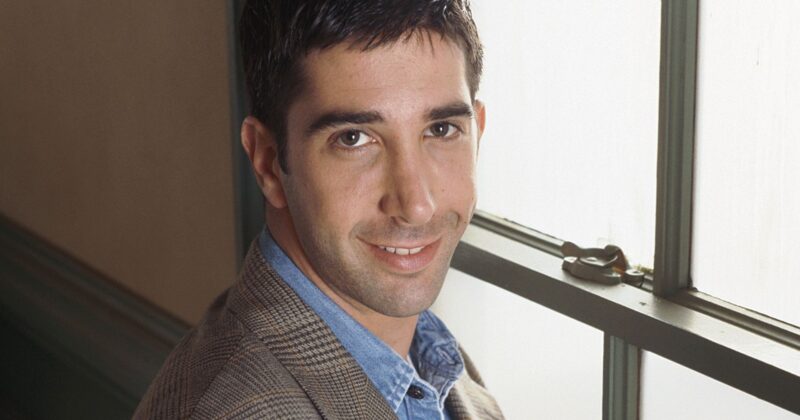
Ross Geller: Love Him or Hate Him, These Are His Worst Moments in Friends
For fans who grew up dissecting every episode of Friends, it’s impossible to ignore Ross Geller’s journey from awkward paleontologist to one of the sitcom’s most polarizing characters. Sure, David Schwimmer delivers some iconic comedic timing, but behind the laugh track, Ross often found himself crossing lines that now, through a modern lens, are much harder to excuse.
Ross and the Unforgivable Videotape
In the infamous ‘The One With The Videotape,’ Ross accidentally records an intimate moment with Rachel. Instead of immediately destroying the tape as any decent person would, he holds onto it, even using it as a bargaining chip later in their heated argument. In a show built on misunderstandings, this moment stands out as especially troubling, reflecting serious issues around consent that today’s audiences can’t just laugh off.
The Unagi Incident: When Ross Went Too Far
Fans remember the running gag of Ross’s obsession with ‘unagi’—which he mistakenly believes refers to a state of total awareness, and not a type of sushi. What goes from quirky quickly turns disturbing when Ross decides to «teach» Rachel and Phoebe about self-defense by ambushing them, dismissing the reality of women’s very real fears around personal safety. It’s a moment played for laughs, but beneath the joke sits a tone-deafness that aged poorly.
Ross’s Treatment of Susan and Carol: A Reflection of the Show’s Limits
One of Ross’s most controversial arcs follows his response to Carol leaving him for Susan. While heartbreak is understandable, Ross’s persistent attempts to undermine and belittle their relationship come across as both petty and intolerant. He questions the validity of their relationship, resists their desire for partnership recognition, and even blames Susan for ‘turning’ Carol gay—moments that underscore how poorly mainstream TV handled LGBTQ+ themes at the time.
Crossing Boundaries with Elizabeth
It’s hard to ignore how problematic Ross’s relationship with his student Elizabeth was. Despite clear boundaries set by academic ethics, Ross pursues her after learning of her crush, and enters into a relationship that represents a serious abuse of power. Watching him later complain about Elizabeth’s immaturity—when, yes, she is just barely an adult—is a masterclass in missing the point. Fortunately, the storyline was cut short before reaching even murkier waters.
Ross’s History as a Jealous, Controlling Boyfriend
The string of relationships Ross navigates showcases patterns that today would raise countless red flags. Whether it’s his relentless jealousy with Rachel, his disrespect for her professional ambitions, or even making a «pros and cons» list that objectifies two women at once, Ross rarely comes out looking good. From sabotaging Julie, dumping Bonnie for not conforming to his ideals, to his possessive outbursts with Mona and Elizabeth—it’s a track record that can’t be ignored.
Undermining Phoebe’s Spirituality
Ross, ever the empiricist, often clashes with Phoebe’s spiritual worldview. But the episode where he goes after her belief that her mother has reincarnated as a cat remains especially cruel. Not only does he openly mock her, he goes out of his way to disprove her experience, instead of showing any empathy. Only by the episode’s end does he apologize—though the damage, both to Phoebe and to viewers’ perception of his character, is already done.
The Infamous «We Were On A Break» Cheating Scandal
Perhaps the most debated moment in Friends lore is whether Ross truly cheated on Rachel. After their «break,» Ross spends the night with Chloe, then spends episodes dodging responsibility, gaslighting Rachel, and refusing to acknowledge her pain. The incident is now pop culture shorthand for complicated relationships—and the fallout placed Ross in the hot seat in living rooms worldwide.
These storylines and their legacies echo far beyond nostalgic rewatches. Ross Geller remains a fascinating study in how mainstream TV both shapes and reflects our cultural standards over time. No matter how many punchlines he delivers, these moments remain impossible for fans to forget, and continue to spark nuanced conversations around how our favorite shows—and their characters—evolve in meaning with each new generation.