The Most Unforgettable Villain Performances in Western Cinema

How Western Villains Redefined Cinema
The Western has always been a proving ground for cinematic heroes and, just as importantly, for villains whose presence defines the stakes and tone of a film. From the silent era to the present day, these antagonists have evolved into complex, layered figures—far removed from the one-dimensional outlaws or stereotyped antagonists of early Hollywood.
Bruce Dern’s Asa Watts in The Cowboys
Portraying Asa Watts, Bruce Dern ignited a firestorm by committing what was nearly cinematic heresy: killing off John Wayne’s Wil Anderson, and doing so while the legendary rancher was unarmed. Dern’s villainy struck such a nerve that audiences infamously threatened him, a testament to how profoundly his chilling performance resonated. John Wayne specifically selected Dern for the role, trusting only him to pull off such a transformative moment. The revenge enacted by the schoolboys in the film became an iconic, crowd-pleasing moment of justice in Western lore.
Lee Marvin as Liberty Valance in The Man Who Shot Liberty Valance
Few villains embody the chaotic threats of frontier life like Liberty Valance. Lee Marvin’s landmark performance as the crazed outlaw instilled palpable dread and unpredictability. Opposite heavyweights like John Wayne and James Stewart, Marvin’s Liberty Valance became the linchpin driving the film’s tension, showing that sometimes, the shadow the villain casts can even eclipse the hero’s. His turn in the film marked a shift toward the more modern, psychologically rich villain archetype that endures today.
Jack Palance, the Cold-Eyed Killer in Shane
Alan Ladd’s Shane offered plenty of drama, but Jack Palance’s portrayal of the gunslinger Jack Wilson sent chills down viewers’ spines. Palance’s sinister calm and calculated menace earned him an Oscar nomination and cemented his place in Western cinema. As a hired gun doing the bidding of corrupt landowners, his every on-screen moment was a masterclass in villainy—menacing yet believable, a foe worthy of Shane’s legend.
Daniel Day-Lewis Unleashes Darkness in There Will Be Blood
With Daniel Day-Lewis as Daniel Plainview, Paul Thomas Anderson delivered a modern Western that doubled as a psychological horror piece. Plainview redefines what it means to be a villain in the West: a man whose insatiable greed bleeds entire communities dry. Day-Lewis crafts a monster reminiscent of literary titans—a Dracula of the oil fields—and his climactic confrontation with Eli Sunday is now a permanent fixture in pop culture, often studied for its intensity and complexity.
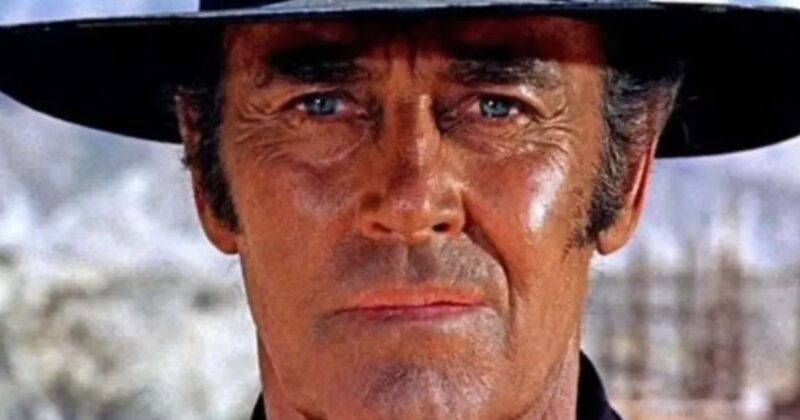
Henry Fonda’s Unexpected Turn in Once Upon a Time in the West
Henry Fonda, long associated with upright, moral characters, shocked audiences in his transformation into Frank—the sadistic, remorseless killer at the center of Sergio Leone’s masterpiece. His cool, methodical malice was a revelation, amplifying the film’s stakes and solidifying Fonda’s legacy as not just a screen hero, but a legendary villain. Frank’s brutal efficiency and utter detachment made him unforgettable, particularly in his showdown with Charles Bronson’s Harmonica.
Powers Boothe as Curly Bill Brocius in Tombstone
Standing out from a crowded gallery of Western antagonists, Powers Boothe infused Curly Bill Brocius with charisma and gleeful menace. He’s a villain who enjoys chaos, turning every scene into a wild ride and proving that not all memorable villains need to be silent killers—some captivate through bravado and unpredictability. Boothe’s performance adds a distinct liveliness to modern Westerns, reminding fans that not all evil is brooding and silent.
Through these performances, Western movies have not only reinvented what it means to be a cinematic villain but have also influenced portrayals of evil across genres. The legacy of these antagonists extends well beyond the confines of the dusty frontier, shaping the stories and villains we celebrate across all corners of modern pop culture.