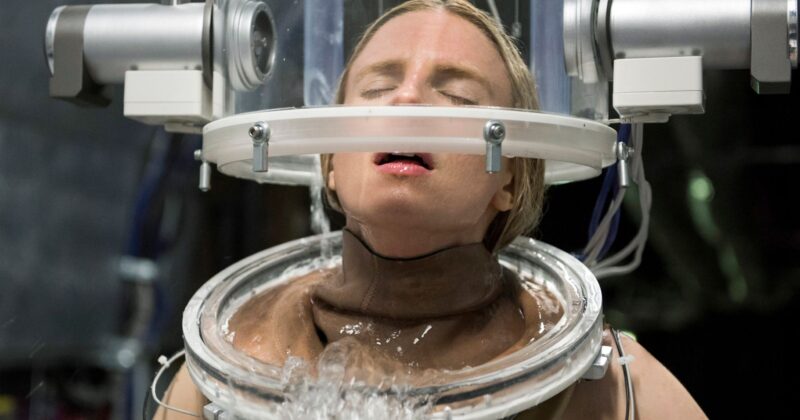
The OA: A Daring Leap Into The Sci-Fi Unknown
Netflix has become a global powerhouse when it comes to entertainment, offering smash hits like Stranger Things, Black Mirror, and 3 Body Problem—all projects that have ignited conversations across the digital world. Yet, among its roster of science fiction, The OA stands apart for its ambition and the lasting frustration triggered by its unresolved finale.
The Mystery Begins: Blindness, Return, and Revelation
From its opening moments, The OA hooks viewers with the sudden reappearance of Prairie Johnson, a woman who resurfaces in her hometown years after disappearing—no longer blind, now seeing the world (and reality itself) through new eyes. Her story defies conventional storytelling, unspooling a labyrinth of near-death experiences, shifting realities, and existential dilemmas. The show’s willingness to touch on the metaphysical—melding science fiction with spirituality and even Gnostic philosophy—sets it in a rare echelon for streaming-original storytelling.
Across its two parts, The OA is anything but predictable. Audiences dive into philosophical quandaries about life, death, and the unseen structures holding reality together. While other Netflix titles enjoy ongoing expansions, The OA‘s journey was brutally interrupted, cementing its status as a genre cult favorite.
The Unforgettable Cliffhanger: TV Breaks The Fourth Wall
Few finales have caused as much stir as the last episode of The OA‘s second season. In a twist that upends all narrative expectations, Prairie and her companions break the fourth wall, momentarily suggesting that their story exists within our reality. It’s a meta-narrative jolt, layered and ambiguous, leaving audiences wondering whether the fictional world of The OA was always closer to ours than we thought. Yet, with so much unresolved, the final moments refuse to gift viewers the easy satisfaction of answers, further driving theories and discussion online and across fandom spaces.
Cult Following, Real-World Frustration: The Cost of Cutting Edge Sci-Fi
Unlike more commercially successful projects, The OA was a high-concept, high-budget science fiction drama that struggled to draw mainstream numbers commensurate with its ambitious production. The show demanded more from its viewers—emotional engagement, active theorizing, and a willingness to accept ambiguity. This unique positioning made it feel deeply personal to fans, intensifying the collective disappointment when Netflix cancelled it instead of continuing the narrative labyrinth it had so carefully constructed.
For many, watching The OA is a bittersweet, often haunting experience. It’s the kind of show that breeds endless fan theories—about dimensions, fate, and the inner workings of the universe—while refusing to yield easy closure. In a streaming landscape full of content designed to be digested and forgotten, this series stands out as one that lingers, prompting re-examination and debate long after its abrupt end.
A Series That Demands Engagement
The allure of The OA isn’t simply in its twists and shocks. It’s in its refusal to pander, to spell out the mysteries at its core. It’s a show for those who crave layered storytelling, where every episode upends expectations and each character’s journey offers new questions. If your appetite for science fiction leans toward the profound—and you’re able to live with lingering uncertainty—it remains an essential watch in the evolving canon of streaming originals.
With the continued rise of science fiction and the evolving tactics of streaming platforms, The OA‘s innovative narrative and unresolvable mythos remain a touchstone. Whether or not fans ever see a continuation, its shadow stretches long over the landscape of boundary-pushing TV.