When The Office Struggled to Make Its Mark
It’s hard to imagine now, with marathons streaming endlessly and a new generation discovering the show every month, but The Office almost missed its shot at becoming the comedic touchstone it is today. The first episodes reveal a series unsure of itself, walking in the shadow of its British predecessor and struggling with pacing, tone, and even the very nature of its humor.
An Awkward First Impression
When The Office premiered, it didn’t arrive fully formed. The pilot is famously a near shot-for-shot recreation of the original British version created by Ricky Gervais and Stephen Merchant — but simply swapping accents isn’t enough to spark a cultural phenomenon. American audiences, accustomed to the rapid-fire punchlines and warmth of shows like Friends and Everybody Loves Raymond, found themselves navigating cringe-inducing silences, uncomfortable social missteps, and a bleakness rarely seen in mainstream sitcoms.
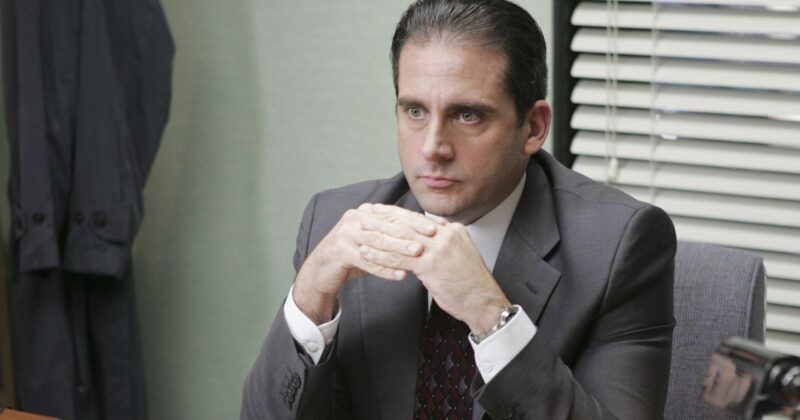
Steve Carell’s Michael Scott, in these early scenes, is more mimic than revelation. His take on David Brent is bracingly awkward, but lacks the endearing vulnerability that would later define Michael’s character. The result: the discomfort, rather than charming, was alienating. At times, viewers were left shifting in their seats instead of laughing out loud.
Season 1: Finding (and Missing) Its Voice
The first season’s six episodes remain close to the original in both script and spirit. Instead of simply adapting, the early episodes nearly translate comedy from one culture to another—and humor rarely works by translation alone. The supporting cast of Pam, Jim, Dwight, and others, while compelling, are still echoes of their UK counterparts, rather than the nuanced and beloved versions that later steal every scene. The essential spark—that sense of community and offbeat family—hadn’t yet ignited.
The structure didn’t help, either. NBC, still hoping to repeat its past sitcom successes, struggled to slot a low-key documentary-style comedy between its traditional laugh-tracked hitters. The first season, lacking both a strong emotional core and sharply American perspectives, offered a world that was colder, more distant, and less accessible to mainstream audiences than anyone could have anticipated.
What Makes Great Adaptations Work?
The best cross-Atlantic remakes—think Veep from the UK’s The Thick of It—remix, rather than copy, their source material, transforming tone and focus. Early on, however, The Office simply echoed, missing the intricate character arcs and hopeful warmth that would come to define the series. Only when the writers loosened up and let the distinctly American neuroses, optimism, and sly romance blossom did the show step from under the shadow of its predecessor.
- ‘Diversity Day’ gave Michael Scott his first truly memorable misstep—one that was cringe, yes, but recognizably, embarrassingly American.
- ‘Health Care’ revealed Dwight’s mania for authority, launching one of TV’s most unique antagonistic friendships.
- ‘Basketball’ and ‘Hot Girl’ finally injected the show’s first glimpses of competitive absurdity and awkward workplace romance—hallmarks of later seasons.
Rewatching the Origins: The Distance Between Seasons
All these years later, revisiting the initial run of The Office isn’t simply a nostalgic exercise—it’s a reminder of how radical reinvention, not blind imitation, is what makes serialized comedy sing. The warmth and depth that made viewers care about Jim and Pam’s slow-burn relationship or Michael’s desperate need to be liked are nowhere to be found in those early episodes. Modern viewers, having binged the later, iconic seasons, will find the debut jarringly flat by comparison.
The show’s awkward adolescence now serves as a testament: even the defining faces of television comedy have humble, misaligned beginnings. It’s only through risk, transformation, and yes, a willingness to admit what doesn’t work, that lasting brilliance reveals itself.