The Disruptor That Shook the Smartphone World
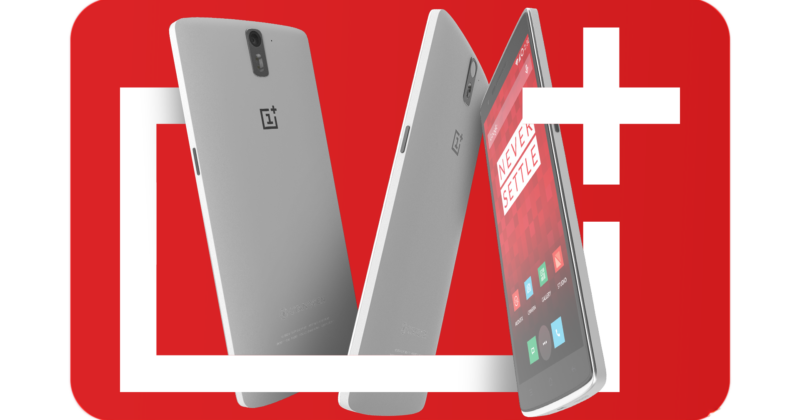
In an era when Android phones routinely flirted with extravagant pricing and increasingly gimmicky features, a bold new contender tore up the rulebook. The device in question wasn’t from a storied brand with bottomless marketing budgets, but from a startup with a singular vision: release a high-end phone at a price that seemed unreal. This device was the OnePlus One, and its impact rippled across the mobile landscape, reshaping consumer expectations.
Flagship Power Without the Flagship Price Tag
When the OnePlus One debuted, established powerhouses like Samsung, HTC, and LG were dominating headlines and wallets with devices sitting comfortably in the most expensive tier. Instead, the OnePlus One burst onto the scene with an almost audacious proposition: cutting-edge specs for half the price. The entry-level variant offered generous hardware at a fraction of what competing brands asked. Notably, even the jump to a more capacious version came with only a minimal upcharge, at a time when similar storage upgrades elsewhere cost significantly more.
This aggressive pricing came with some calculated sacrifices. Features like high-resolution speakers, premium water resistance, and enhanced camera systems were left behind in favor of delivering a core experience that prioritized power and practicality. The camera, while entirely capable for everyday snapshots, trailed the market leaders, a trend that somewhat persists in the brand’s DNA. For those seeking performance per dollar, though, these omissions were easy to overlook. The trade-offs felt logical—the phone delivered on the specs that matter most: processing power, memory, and battery life.
A Software Dream for Enthusiasts
One of the OnePlus One’s most distinctive advantages wasn’t just technical; it was experiential. At a time when many Android phones suffered from heavy manufacturer skins and intrusive bloatware, this device opted for a different path. It shipped with Cyanogen OS, an operating system that borrowed from the beloved CyanogenMod—a community-favorite ROM known for its speed, stability, and relentlessly clean user experience. This partnership meant buyers enjoyed a near-stock Android environment out of the box, bypassing the usual need to root or flash their devices just to escape cluttered interfaces. For a generation of users disillusioned by interfaces like TouchWiz and manufacturers’ intrusive modifications, it was a game-changer.
The Hype Fueled by Scarcity
Yet, owning a OnePlus One wasn’t as simple as just adding it to your shopping cart. The phone’s launch relied on an invitation-only purchase system, a mechanism born of overwhelming demand and deliberate scarcity. If you wanted the phone, you needed an invite—a code coveted among Android circles. This turbocharged the phone’s mystique and created a lively secondary market for invites.
Stoking the frenzy further was the infamous ‘Smash the Past’ campaign, urging users to destroy their old phones for the chance to buy the new device for only a dollar. The campaign backfired for many participants who, misinterpreting the rules, prematurely smashed functional devices, generating considerable controversy and unwanted electronic waste. Nevertheless, the buzz was undeniable, making the OnePlus One almost as hard to spot as a rare collector’s item in real life.
The Birth of the Flagship Killer Phenomenon
The term ‘flagship killer’ wasn’t just a catchy phrase; it was the exclusive badge for the OnePlus One, and soon, for an entire category. The phone didn’t just influence rivals’ pricing strategies; it set a new standard. Other brands would go on to chase the ‘affordable powerhouse’ formula, with Xiaomi and its Poco sub-brand, for example, following closely behind, proving that the appetite for premium specs at approachable prices had become mainstream.
Why Phones Like This Are Now a Rarity
Fast forward to the current landscape—launching a true flagship killer has become dramatically more difficult. Escalating hardware costs, complex manufacturing, and the tightening grip of industry giants mean newcomers can rarely undercut rivals with the same shock factor. For context, flagship prices continue to climb, while major brands exploit economies of scale unavailable to upstarts. Even promising new entrants can’t deliver the same mixture of price and performance once offered by that iconic debut. The OnePlus One reminds us of a brief, electrifying period in mobile history—a singular moment when an unlikely challenger truly changed the game.