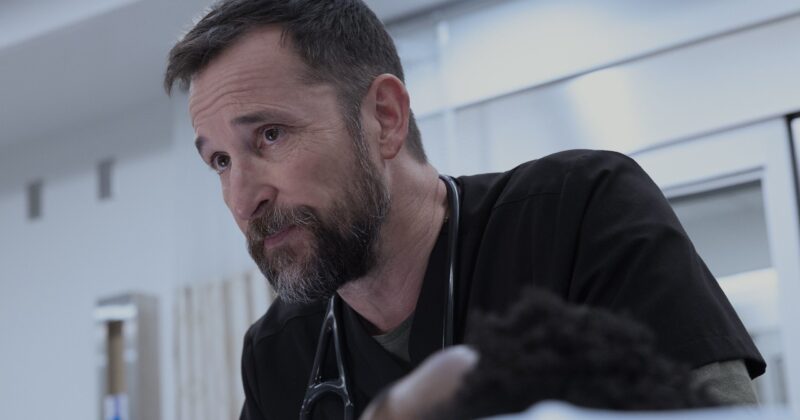
Inside the Chaos: Trauma, Loss & Hostility at PTMC
The Pitt continues to push the emotional boundaries of medical drama, unleashing a state of controlled chaos in its latest episode. The fallout from a catastrophic water slide collapse puts every doctor and nurse at Pittsburgh Trauma Medical Center to the test—mounting injuries, overloaded ER bays, and a hospital infrastructure on the brink due to failing computer systems.
Roxie’s Final Moments: Compassion Meets Harsh Reality
The storyline of Roxie’s terminal cancer arc reaches a heartbreaking crescendo. Dr. McKay and Dr. Javadi are at the center, providing palliative care under Dr. Robby’s orders. Administering escalating doses of morphine, they navigate the razor-thin line between alleviating pain and hastening death, a scenario that resonates with real-world debates on end-of-life care.
Javadi’s breakdown while treating Roxie triggers unresolved issues with her own mother, Dr. Shamsi. Their confrontation reflects a recurring theme in medical drama: generational tension between legacy practitioners and the new guard. McKay, meanwhile, emerges as an empathetic guide for both colleagues and Roxie’s son, delicately providing advice on emotional boundaries and a dignified farewell—her strength a counterbalance to the surrounding chaos.
Dr. Robby vs. Dr. Mohan: A Collision of Trauma and Bias
The episode’s most jarring emotional beat arrives with Dr. Robby’s raw hostility towards Dr. Mohan. Moments after Mohan’s panic attack—sparked by overwhelming pressure and constant calls from her mother—Robby’s response is shockingly void of compassion. As he interrogates Mohan about her ‘mommy issues’ and insists she leave the ER, the show exposes a character unraveling under his own, less visible trauma.
This outburst isn’t just a fleeting lapse. Robby’s treatment of his colleagues, especially Mohan and Dr. Al-Hashimi, raises questions about underlying misogyny. While the show has previously alluded to Robby’s preference for male students, his current antagonism feels heightened—possibly a projection of his own struggles since traumatic events like PittFest and the pandemic. His refusal to support Al-Hashimi, even after she performs a high-risk procedure he previously pressured her over, deepens the sense of institutional tension within PTMC.
New Medical Challenges & Shifting Relationships
Elsewhere in the ER, Dr. King confronts her sister Becca’s sudden health scare—a urinary tract infection following sexual activity with her boyfriend, Adam. The reveal leads to a comically awkward moment between sisters, but also unpacks broader themes of familial boundaries and professional ethics.
The episode doesn’t shy away from the gritty realities of hospital politics either. Mel’s deposition goes poorly under aggressive prosecutorial questioning, with Langdon refusing to compromise patient confidentiality—even when personal relationships are on the line. These moments ground the show in the sort of legal-realism fans of series like Grey’s Anatomy and The Good Doctor will recognize.
The Strains of Love in the ER: Santos & Garcia’s Cooling Flame
The relationship dynamic between Dr. Santos and Dr. Garcia finally boils over. Garcia’s decision to side with Langdon during a critical case reignites simmering resentments, with Santos embodying the frustrations of someone deeply invested in a relationship drifting out of sync. The episode’s honest handling of conflict—Garcia suggesting that personal issues be taken to therapy, not rehashed at work—gives a refreshingly authentic look into the challenges of workplace romance, especially under high stakes.
Tech, Stress, and the Evolution of Hospital Drama
By immersing viewers in ethical dilemmas, generational divides, procedural pressures, and personal heartbreak, The Pitt illustrates why the medical drama continues to evolve in the streaming era. There’s real tension between tradition and innovation—whether in palliative care protocols, safeguarding patients’ rights, or the ways doctors handle their own trauma. The series remains uncompromising in its portrayal of medicine’s messy, intensely human side.