The Legal Battle That Shook PTMC: Dr. Mel King in the Eye of the Storm
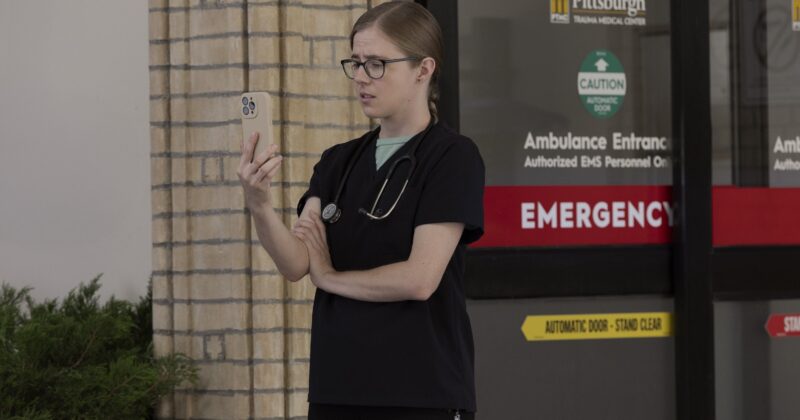
Fans of The Pitt have been left on edge since the season premiere, watching Dr. Mel King (Taylor Dearden) unravel under the weight of a looming malpractice lawsuit. Throughout the latest episodes, Mel’s anxiety has been nearly palpable, her silence over the case fueling waves of speculation about the mystery at its core. It wasn’t until the eighth episode that the veil was finally lifted—revealing a tense tie-back to one of the first season’s most controversial patients.
The Return of Flynn Edwards and a Mother’s Anguish
The lawsuit is spearheaded by Hillary Edwards, the fiercely anti-vaccine mother of Flynn, a young boy who captured viewers’ attention in the series’ first season. When Flynn was admitted with measles, Hillary stubbornly refused a critical spinal tap, despite the medical team’s urgent pleas. The tension reached a boiling point when Flynn’s father relented and consented, allowing Mel and Dr. Ellis to perform the procedure that saved Flynn’s life. Now, months after the medical emergency, Hillary claims that Mel’s intervention was the catalyst for Flynn’s intellectual decline, igniting a storm of accusations against both Mel and resident Dr. Ellis.
Breaking Down the Science: Measles, Medical Consent, and Malpractice Claims
Behind the emotional pulse of the situation lies a foundation of clinical reality. As The Pitt illustrates, brain inflammation and complications from measles can manifest in severe cognitive symptoms—well documented across the medical literature. According to Dr. Ellis and supported by Mel’s notes, Flynn was already succumbing to measles pneumonia, a far more likely culprit for his neurological symptoms than any spinal tap executed under hospital protocols. The lawsuit—a clear nod to real-world debates over vaccines and parental rights— hinges on a claim that finds little support in the technical record. In Mel’s case, not only was the spinal tap necessary and flawlessly performed, but it also had full paternal consent, and documentation was thorough at each step.
How The Pitt Navigates Ethical Boundaries and High-Stakes Medicine
This storyline highlights more than just courtroom drama; it explores the psychological toll such cases take on healthcare professionals. Every episode that shows Mel grappling with this fallout offers a lens into the world of medical uncertainty—where even lifesaving interventions can come back to haunt physicians, especially in today’s polarized healthcare environment. The subtle tension between legal responsibility and medical ethics is delicately woven through the show, engaging viewers in questions that feel torn from real-life headlines.
The Unseen Threat: Dr. Robby and the Shadow of True Malpractice
While Mel and Ellis meticulously followed procedures, including logging every detail and pausing for legal consent, another doctor’s actions flew closer to the edge. Dr. Robby, a central character who oversaw Flynn’s care, let his emotions spiral in the heat of the moment. His dramatic confrontation with Hillary and intimidating tactics with Flynn’s father might have crossed ethical lines—yet he remains notably absent from the lawsuit. It’s a revealing twist for sharp-eyed fans, suggesting that sometimes the system can miss the real points of risk within a hospital’s walls.
What This Means for the Show’s Characters and Audience
Now, as the legal showdown gains momentum, it’s increasingly clear that Dr. Mel King remains in strong standing. The legal odds, bolstered by clinical facts and supervisory oversight, are in her favor. Still, the ordeal continues to test her resolve and illuminate just how high the emotional stakes can run in the world of contemporary medicine, especially when personal beliefs about healthcare become weaponized through the courts.
The Pitt continues to prove why it’s a must-watch for anyone captivated by intense drama, ethical crises, and sharp social commentary—delivering not just compelling characters, but a mirror for today’s most urgent debates about medicine and morality.