The Subtle Genius of ‘Undertone’ in Modern Horror
‘Undertone’, the latest suspenseful offering from A24, is rewriting the rulebook of horror by placing audio front and center in its arsenal of fear. With a setting stripped down to the essentials—a single home, a small but compelling cast, and an almost total lack of obvious supernatural elements—the film draws power not from special effects or gore, but from the world of sound and silence.
Scares That Linger: The Art of Audio Over Visuals
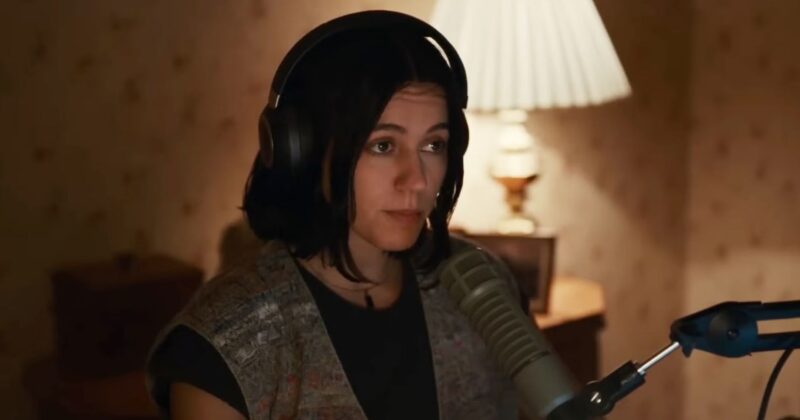
At the film’s heart is Evy, played with raw delicacy by Nina Kiri, caring for her terminally ill mother while running a paranormal podcast with her friend Justin. This homebound narrative, stoked by the atmospheric walls of the family house, allows every tick, creak, and murmur to feel immersive. It’s this realistic soundscape that makes every scare in ‘Undertone’ feel relatable—and, just as importantly, utterly unpredictable.
Director Ian Tuason’s script and direction deliberately let the imagination fill in gaps, leveraging the one sense that can never be truly closed off: hearing. The film uses audio not only as background, but as a narrative tool—paranormal debates and cursed sound files become gates to off-screen menace. Layered with ambiguous dialogue and haunting music, every off-kilter noise is a potential harbinger of dread.
How ‘Undertone’ Uses Familiar Sounds to Create Unfamiliar Terror
It is in the mundane, everyday noises that the real terror of ‘Undertone’ hides. The subtle ticking of a clock, hesitant footsteps on old floorboards, an ambiguous thump in a distant room—these simple audio cues, when carefully crafted, confront the viewer with the question: was that just the house settling, or something far more sinister?
Unlike traditional jump scares, ‘Undertone’ opts for what might be called the ‘slow burn’: sound design that unspools tension, exploits silence, and re-contextualizes the ordinary. The realistic application of sound blurs the boundary between the real and the surreal, inviting the audience to question both their own senses and what lies beyond the screen.
Parallels in Cinematic Horror: Lessons from the Greats
‘Undertone’ enters a lineage of horror masterpieces that wield sound as a weapon. Classics like ‘The Shining’ and ‘A Quiet Place’ remind us how powerful an ominous melody, or the absence of noise altogether, can be in heightening anxiety. Yet, while those films leaned into their soundscapes on a larger scale, ‘Undertone’ dials in, drawing its menace from intimacy and the believable terrors of a quiet home.
Ambiguous phone calls, disturbing reversed songs, and the threatening presence hidden behind silence are all used to set nerves on edge. As Evy gets pulled deeper into the world of the audio files and begins to blur reality with creeping paranoia, viewers are brought along for the ride—every ambiguous sound building the sense of unease brick by brick.
Why Audio is the Ultimate Frontier for Horror
The effectiveness of ‘Undertone’ isn’t an accident or mere homage; it’s a demonstration of what skilled sound design can achieve. As visual effects become more advanced, it’s easy for filmmakers to overlook how primitive and effective a perfectly timed sound cue can be. This film proves that great horror doesn’t need a monster on screen—sometimes, all it needs is the echoing doubt that comes when the lights go out and you can’t trust what you hear.