The Prince of Tennis: Legacy of an Iconic Sports Manga
With the upcoming conclusion of The New Prince of Tennis, manga fans are preparing to witness the closing chapter of a franchise that has transcended the boundaries of sports storytelling. Since its debut in the late 90s, Takeshi Konomi’s tennis epic has not only captivated readers with dynamic matches and unique characters but also redefined what a sports series could achieve in the competitive landscape of Weekly Shonen Jump.
How Prince of Tennis Changed the Game
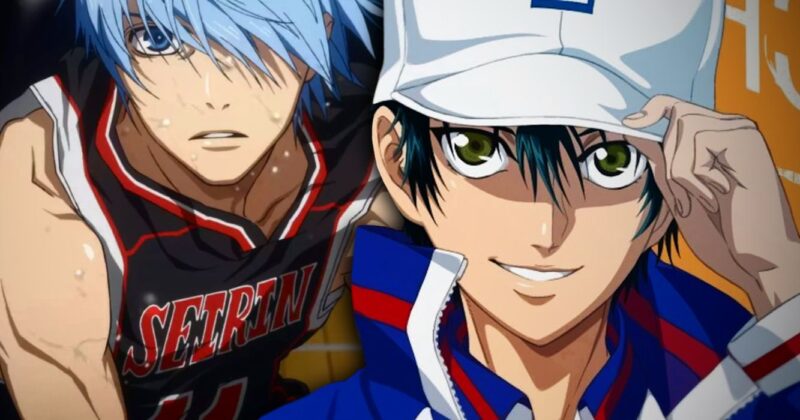
From its inception, The Prince of Tennis introduced readers to Ryoma Echizen—a prodigy whose skill and charisma helped drive the series’ enduring appeal. Unlike traditional sports manga, this saga skillfully combined technical accuracy with outlandish special moves, resulting in matches packed with drama, strategic depth, and adrenaline-pumping action. Beyond the court, the nuanced relationships and growth arcs of its ensemble cast invited fans to invest not just in the competition, but in the journey of each character.
It’s no exaggeration to say that the series elevated sports manga from mere rivalry stories to experiences rich in emotion and spectacle, opening the door for series like Kuroko’s Basketball and Haikyuu!! to flourish with a broad global audience.
The Multimedia Impact: Anime, Stage, and More
While many manga achieve success in print, The Prince of Tennis distinguished itself by rapidly branching out into other mediums. The anime adaptation, which began airing in the early 2000s, was instrumental in bringing Ryoma and his iconic serve to audiences worldwide. Multiple sequel arcs kept the franchise fresh, while guest appearances and references in anime from other studios further cemented its legacy in the wider anime ecosystem.
However, tennis didn’t just stay on the page or screen. The musical adaptations, lovingly called «Tenimyu», became a phenomenon in themselves, drawing in fans eager to see their favorite matches choreographed in real life. Add to this the live-action series and a range of video games across consoles and mobile platforms, and it’s clear that the franchise built an enduring multimedia empire. Each adaptation has provided a unique way for new fans to discover the world of Seigaku and for veterans to relive classic moments.
The New Prince of Tennis: Raising the Stakes
The sequel manga, The New Prince of Tennis, expanded the series into international courts, introducing even more formidable rivals and higher stakes than ever before. With creative new characters and international tournaments, the story kept evolving alongside a maturing fandom, demonstrating how a beloved IP can remain relevant without losing its original magic.
As the narrative nears its close, anticipation is at its peak—not just for the final matches, but for the opportunities it may present for new adaptations, spin-offs, or legacy projects in anime, mobile games, and perhaps even virtual reality experiences as technology continues to advance.
A Cultural Touchstone in Sports, Anime, and Beyond
The significance of The Prince of Tennis extends far past manga rankings or merchandising success. The franchise is woven into the very fabric of sports anime: it built a template for blending technical realism with fantastical elements, inspiring a generation of creators across genres. References to its over-the-top special moves, such as the «Twist Serve» or «Drive B,» pepper anime forums and cosplay events worldwide.
For many, the impact is also personal: it’s common to hear from athletes who first picked up a racket after watching Ryoma’s matches, or artists who cite Konomi’s art style and energetic compositions as early influences. With the story finally drawing to a close, its influence is guaranteed to echo throughout manga, anime, and real-world tennis courts for years to come.