The Prisoner: The Cult Classic Mystery-Box Show That Revolutionized Television

The Timeless Appeal of The Prisoner
Amid the avalanche of modern mystery-box series, The Prisoner stands as a touchstone of innovative television that only grows more fascinating with time. Originally launched as a psychological thriller that shattered genre conventions, The Prisoner plunges viewers into the enigmatic world of ‘The Village’—an isolated and surreal coastal town where nothing is quite as it seems.
Ahead of Its Time: Blending Genres and Surrealism
Starring Patrick McGoohan as the enigmatic former spy ‘Number Six’, The Prisoner weaves together elements of spy fiction, psychological drama, and Kafkaesque surrealism. Its allegorical themes tackled the existential anxieties of its era, reflecting Cold War paranoia and the individual’s battle against faceless authority, yet the ambiguity and multi-layered narrative remain startlingly relevant in today’s atmosphere of surveillance and mistrust. Fans of modern thrillers like Lost, Twin Peaks, or The X-Files will recognize the DNA of The Prisoner’s unconventional storytelling in those later cult favorites.
The Village: Where Dystopia Meets Mind Games
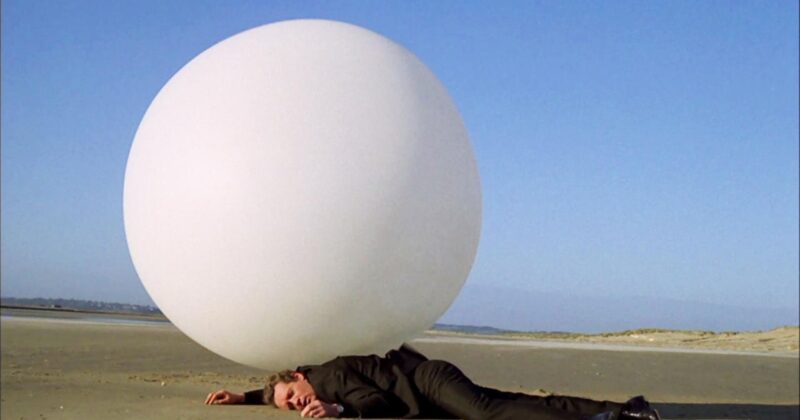
‘The Village’ itself is a character—a vibrant, surreal landscape shrouded by mountains and heavy with symbolism. The ever-watchful society strips individuals of names and identity, reducing them to mere numbers. This dehumanization is punctuated by the bizarre, unforgettable image of Number Six pursued by a gigantic, suffocating white sphere known as ‘Rover’, a metaphor for the inescapable grip of institutional control. The series’ use of visual metaphors, orchestral soundtracks, and sharp dialogue crafts a uniquely unsettling atmosphere that few shows have matched, even decades later.
Paving the Way for Modern Television
What sets The Prisoner apart is its refusal to give easy answers. Instead of resolving mysteries neatly, it challenges viewers with open-ended questions about authority, individuality, and reality itself. Its postmodern approach—merging genres, breaking the fourth wall, and toying with narrative structure—has inspired countless creators in both TV and film. The show’s legacy is evident in everything from high-concept sci-fi like Black Mirror to cerebral spy thrillers and even the aesthetics of video games exploring themes of surveillance and identity.
Remakes and Legacy: The Elusive Magic of the Original
The series has been adapted into novels, comics, and even video games, spawning discussions among both critics and fans each time a new adaptation surfaces. The most high-profile attempt to recapture its allure was the 2009 miniseries featuring Jim Caviezel and the legendary Ian McKellen. While ambitious, the remake missed the razor-sharp wit, brisk pacing, and enigmatic depth that made the original a watershed moment in sci-fi television. Missing from the reboot was the compelling drive to root for Number Six—proof that some alchemy of casting, writing, and quietly subversive tone can’t be easily replicated.
Why The Prisoner Still Matters
Decades after its debut, The Prisoner‘s allegorical storytelling and visual panache remain as bold and confounding as ever. The loose ends and unresolved questions have fueled endless debates and fan theories, echoing the same appetite for complexity found in today’s prestige television. For anyone seeking a series that rewards observation, second-guessing, and spirited discussion, The Prisoner is a cult classic that deserves a prime spot in the streaming queue.