The Real Story Behind Star Trek 4: Why The Kelvin Timeline Journey Ended

The Kelvin Timeline: Star Trek’s Bold Reimagining
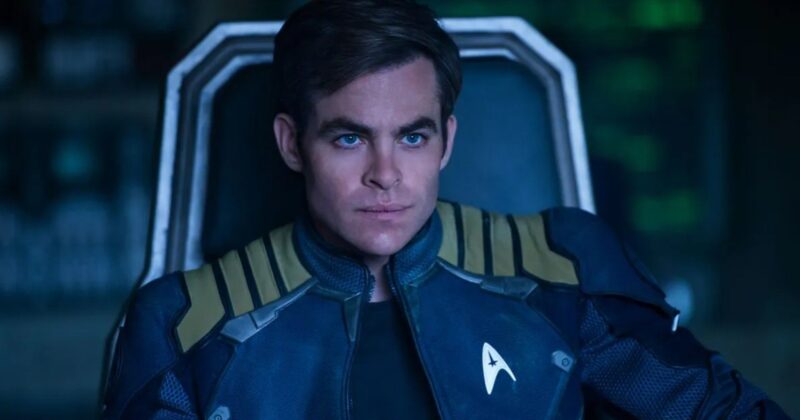
When the first Kelvin timeline movie warped into theaters, long-time fans and newcomers alike were captivated. J.J. Abrams’ direction delivered a hyper-kinetic, visually striking reinterpretation of the Star Trek universe, introducing alternate versions of Kirk, Spock, and the rest of the legendary crew. These films injected a new kind of energy and emotional intensity into the franchise, bridging classic sensibilities with blockbuster appeal. Despite mixed reactions from purists, the trilogy carried Star Trek through a period where no other major Trek stories were being told on the big screen.
Years of Speculation — What Happened to Star Trek 4?
Star Trek: Beyond, the third entry in the Kelvin series, left audiences speculating about what could come next. Over the years, rumors continuously swirled about a potential fourth film. Fans heard whispers of fresh storylines, creative shifts, and ambitious concepts—including talks of time travel and possible crossover returns. Yet, with every new writing team or behind-the-scenes shuffle, hope for Star Trek 4 gradually faded against the realities of big-budget filmmaking.
Time Isn’t Always on Your Side
The most decisive factor in Star Trek 4’s demise? Time. In the film industry, a decade-long gap can be insurmountable. Cast members inevitably move on, creative energies shift, and audience expectations evolve. The Kelvin cast, led by Chris Pine and Zachary Quinto, pursued new projects, and the landscape of sci-fi cinema shifted dramatically with the rise of cinematic universes and premium streaming content.
Financial Gravity — The High Price of Star Trek
Every Star Trek film in the Kelvin series came with a massive price tag. The visual effects, sprawling action sequences, and high-profile cast drove costs higher with each installment. Studios are increasingly cautious about investments of this scale, weighing franchise fatigue and return on investment. Without a guarantee that a new Star Trek film would achieve blockbuster status, greenlighting another expensive entry grew riskier year by year.
Creative Differences and The Franchise’s Streaming Resurgence
Behind the scenes, Star Trek 4 cycled through numerous scripts, directors, and creative visions—everything from epic space battles to rumored father-son reunions across timelines. Each iteration brought the promise of revitalization but few concrete results. Meanwhile, the franchise found impressive new life on television platforms. Series like Star Trek: Discovery, Picard, and Strange New Worlds introduced new generations of fans to the final frontier, shifting the creative focus away from feature films and toward serialized storytelling that better fits modern viewing habits.
Legacy of the Kelvin Timeline
Despite its abrupt end, the Kelvin timeline trilogy kept Star Trek part of the pop culture conversation for an entire decade. Its blend of nostalgia, reinvention, and cinematic spectacle set the stage for bold experiments in both film and TV. As the entertainment industry continues to evolve, Star Trek’s adaptability remains one of its greatest strengths—the Kelvin timeline is just one of many fascinating chapters in an ever-expanding universe.