DC Surprises Fans with a Bold New Version of the Riddler
The world of DC Comics is no stranger to character reinventions, but few transformations have been as visually striking or narratively disruptive as the latest redesign of the Riddler. This celebrated villain, long recognized by his emerald green suit and penchant for enigmatic puzzles, has become the subject of a truly radical overhaul in the recent issue of Batman/Superman: World’s Finest #49. This fresh take doesn’t merely update his wardrobe; it completely redefines his place in the multiverse.
A New World, A New Identity for the Riddler
This inventive iteration arises from Earth-3, a universe in which the familiar dynamics are turned upside down—villains as heroes and vice versa. Here, the Riddler is no mere nemesis but a scarred champion, visually distinguished from his Earth-Prime counterpart by a phenomenally mutated left arm—an eerie, hulking appendage that instantly sets him apart from any past incarnation.
His costume also shatters tradition, blending a sharp, angular green and purple motif down the middle of his suit, emblazoned with a mammoth black question mark on the chest, and a mask that only covers half his face. Every element of the design presses the boundaries between the classic and the avant-garde, aimed at both honoring his legacy and propelling his mythos into uncharted territory.
The Mutant Origin: Echoes of Iconic Villainy
The latest Riddler’s transformation is more than skin-deep. The story behind his mutation is a clear nod to DC’s roster of twisted origin tales. Dropped into a vat of acid by Owlman—the evil Batman of this world—the Earth-3 Riddler endures what could have been a fatal accident. Yet instead of perishing or descending into madness, he’s spat back into the world, changed physically but steeled with resolve. This mirrors the infamous creation of the Joker, albeit with a redemptive twist—the trauma makes the Riddler a hero rather than a monster. The parallel underlines DC’s tradition of darkly poetic metamorphoses, where suffering begets power, if not always virtue.
Narrative & Visual Evolution in DC Comics
DC’s willingness to reshape its core characters for modern audiences speaks to both evolving editorial ambitions and the appetite of long-time fans for inventive storytelling. Mark Waid, Mark Russell, and Marcus To, the creative minds behind the latest saga, have not only given us a redesigned Riddler but also elevated him with layered motivation—his crusade is now to shelter others from the torments inflicted on him by an evil doppelganger of the Dark Knight.
This reversal—from brainy criminal to mutated protector—opens up fresh potential for the character in future arcs. Longtime fans accustomed to the calculating rogue may find the hero’s journey compellingly unfamiliar, while newcomers are introduced to the high-stakes, reality-bending drama that makes multiversal DC stories so addictive.
How the Riddler’s Redesign Resonates with Pop Culture
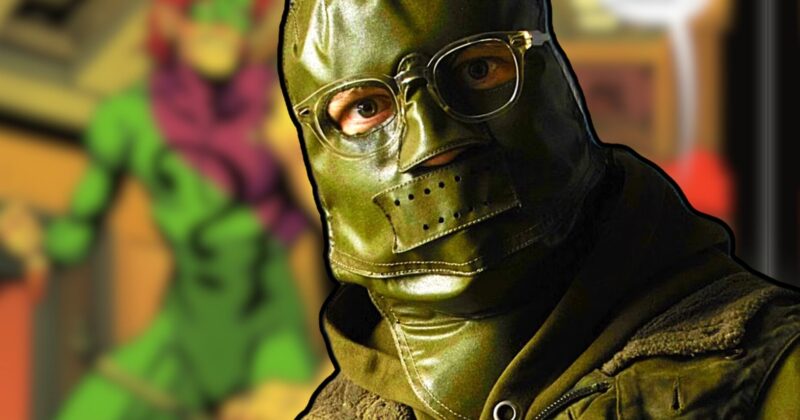
The Riddler’s contemporary resurgence isn’t limited to the pages of comics. His chilling appearance in Matt Reeves’ The Batman recently reframed the villain as a lone-wolf terrorist, far from the zany trickster of earlier eras. This new mutated champion on Earth-3 continues that tradition of reinvention, ensuring the Riddler remains relevant, unpredictable, and ready to spark new debates among fans and critics alike.
With each reboot, DC reinforces the idea that no legend is ever static—especially in the ever-morphing landscapes of comics, film, and broader pop culture. For both collectors and casual readers, the new Riddler is a testament to how bold art direction and clever narrative pivots can keep even the oldest rogues as fresh as ever.