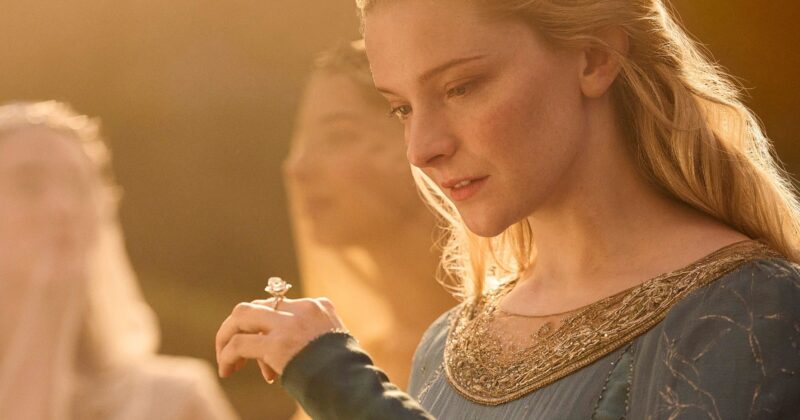
The Allure and Limitations of The Rings of Power
Prime Video set the bar sky-high when it announced The Lord of the Rings: The Rings of Power, tapping into a well of expectations as deep as Mount Doom itself. The promise? An epic fantasy story that delves into Middle-earth’s mysterious Second Age, a time only previously hinted at in cinema. For many fans, this was an era ripe for exploration, with Sauron’s forging of the Rings serving as the mythic backdrop. While the hype was justified, what viewers ultimately experienced felt more like a grandiose trailer—a beautifully made prelude to a show that never truly materialized in full.
A Feast for the Eyes, A Snack for the Mind
There’s no denying it: visually, The Rings of Power is breathtaking. From the resplendent shores of Valinor to the shadowy halls of Khazad-dûm and the shimmering architecture of Númenor, the series turns Tolkien’s world into a sweeping cinematic panorama. The careful recreation and expansion of Middle-earth, thanks to modern effects and big-budget ambition, make for some of the most captivating fantasy visuals seen on any screen. This meticulous attention honors the genre’s roots and Jackson’s earlier films, creating a feast for viewers who crave immersive worldbuilding.
Yet, despite its shimmering surface, the storytelling sometimes feels as fleeting as a movie teaser. Rather than exploring the depth and breadth of the Second Age’s rich lore, major events are packed tightly together. The series condenses thousands of years—from Morgoth’s defeat to Sauron’s rise—into what feels like a single swift narrative thread. The result? A visual tour of Middle-earth that rarely lingers long enough to absorb the gravitas of Tolkien’s grand narrative.
Making Middle-earth Accessible—But at What Cost?
The adaptation choices go beyond time jumps. In canon, the Second Age stretches over 3,400 years. This epoch saw empires rise and fall, heroes age into legend, and new evils take root in forgotten corners of Arda. The Rings of Power collapses these events into mere weeks or months, ensuring that key figures like Elendil, Isildur, and Galadriel are present from start to finish. Immortal elves coexist alongside mortals in a nearly linear storyline, making the plot accessible to new audiences but sacrificing much of the universe’s mythic vastness.
While there are narrative advantages to keeping familiar faces involved, this compression minimizes the dramatic scope. Instead of watching the slow, haunting spread of Sauron’s influence or the tragic fall of once-great civilizations, viewers get highlights—tantalizing, yes, but ultimately lacking depth. Love triangles and familiar hero-villain arcs can engage casual audiences, but for fans hungry for Tolkien’s nuance, these tropes risk feeling shallow or out of place among grander themes of legacy and corruption.
A Missed Opportunity for Complex Storytelling
Given the unlimited storytelling potential of Middle-earth, alternative approaches could have yielded a richer show. Imagine a non-linear, anthology-like structure, with entire episodes leaping across decades and continents. Characters like Sauron and Galadriel could anchor stories as audiences witness the changing world through mortal and immortal eyes alike. Other epic contemporary fantasy series have successfully manipulated timelines to build intrigue and emotional weight—one immediately thinks of the multi-century sweep in the first season of The Witcher.
This could have allowed The Rings of Power to retain Tolkien’s mythic sprawl while still spotlighting the personal journeys and tragedies of its key players. Imagine diving into the politics of Númenor, the forging of the Three Rings, and the shifting alliances between elves, dwarves, and men—all with adequate time for tension and character development.
The Lingering Promise of Middle-earth
It’s clear that The Rings of Power delivers awe-inspiring moments and undeniable artistic achievement. But its relentless drive to condense, simplify, and appeal broadly means it sometimes feels more like a lavish coming attraction than a fully realized epic. For those who know Tolkien’s legendarium, the show constantly teases the unfathomable scale and complexity just beyond the screen—an untouched treasure trove that remains, at least for now, out of reach.