The Legacy of The Purge: From Cult Phenomenon to Next-Gen Dystopia
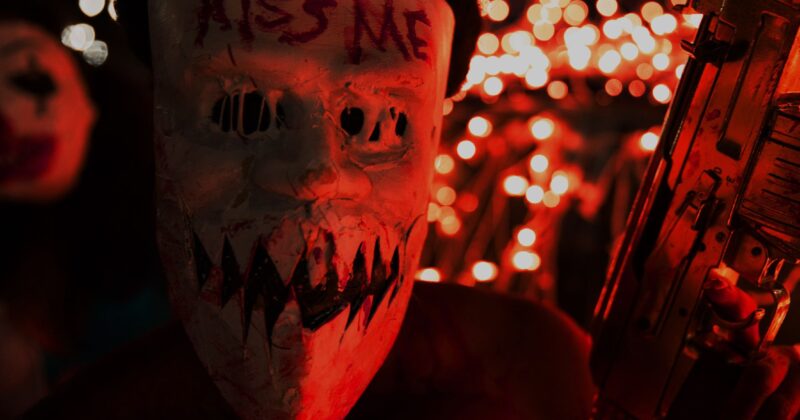
Few film franchises have managed to etch themselves so deeply into the collective imagination as The Purge. What started as a modestly budgeted thriller quickly became a cultural shorthand for chaos under the guise of order. Its unsettling vision of a government-sanctioned night of lawlessness seeped into social discourse, sparking debates about authority, violence, and the boundaries of freedom. The Purge universe expanded at a breakneck pace: five films, a TV series, and an ongoing relevance in pop culture discussions about surveillance and societal collapse.
A New Challenger: The School Duel Arrives
Stepping into this shadow is The School Duel, a film that doesn’t just ride the coattails of its predecessors but boldly carves out its own horrifyingly plausible niche. Written and directed by Todd Wiseman Jr., this project bursts onto the scene with a premise as provocative as it is topical. Imagine the bleak, ruthless atmosphere of The Purge distilled into the high-octane paranoia of Battle Royale, but relocated to a near-future Florida obsessed with addressing school shootings through televised adolescent combat.
Tone, Style, and Unapologetic Messaging
What sets The School Duel apart is its willingness to double down on political commentary. Where The Purge presented its social critique behind masks and carnival-like violence, this new entry places its critique front and center. Audiences are confronted with questions of gun control, forced patriotism, manipulated media, and the chilling ease with which violence can be normalized in the name of security. It’s a movie that wears its arguments on its sleeve, inviting as much outrage as it does acclaim.
Plot and Performance: A Coming-of-Age Nightmare
The narrative revolves around Sammy, a 13-year-old aspiring participant in the School Duel (portrayed with remarkable depth by Kue Lawrence). The story navigates Sammy’s seduction by propaganda and promise of fame, crashing into the ugly reality of state-sponsored competition. There’s a razor-sharp edge to the satire here, amplified by stellar performances from both seasoned actors like Oscar Nuñez (recognizable from The Office) and an impressive young cast who carry the emotional core of the film.
Visual Aesthetic: Black-and-White Brutality
Visually, The School Duel is a stark departure from the glossy excess of most dystopian blockbusters. Predominantly shot in black-and-white, it deploys a gritty realism that echoes classic wartime cinema while making every wound—and every flash of propaganda—feel raw and unfiltered. This shift in aesthetics underlines the authenticity of its message and grounds the violence in a context far less fantastical than The Purge or The Hunger Games.
Consent, Indoctrination, and the Dark Mirror of Youth Culture
One of the most chilling elements in The School Duel is the idea of voluntary participation—children choose (or believe they choose) to partake. This isn’t the same as The Hunger Games’ reaping, where fate decides. Here, the lines between agency and manipulation become terrifyingly blurred. The film interrogates what it means to make a choice in an environment where nationalism, fame, and fear are expertly engineered to shape the decisions of the young.
Standalone Power: Why Franchise Potential Is Unlikely
Unlike its cinematic cousins, The School Duel isn’t built for serialization. Its narrative is intentionally self-contained, its critique too sharp, its vision too bleak for easy expansion into sequels or spin-offs. The brutality and thematic punch are designed to leave an immediate impact, not to set up the next installment or extended universe. This singularity helps ground its dystopia squarely in our present anxieties.
Reception and Controversy: Art as Agitator
The School Duel is headed to US theaters with a cloud of controversy already forming. The film doesn’t shy away from stating its case, which all but guarantees a split among viewers—some will see bold artistic bravery, while others may even recoiling at the message itself. But for a movie that interrogates propaganda and the weaponization of youth, such polarization isn’t just a side-effect; it’s very much by design.
The School Duel stands out as a potent, timely answer to The Purge and other dystopian visions, reminding us how close speculative fiction can sometimes come to mirroring the darkest corners of our reality.