The Surprising New Chapter for Kayce Dutton: Marshals Unveils a Dramatic Shift in His Love Life

Kayce Dutton Faces Change: Monica’s Absence and Marshals’ New Direction
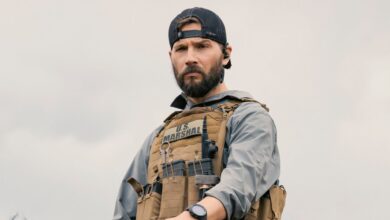
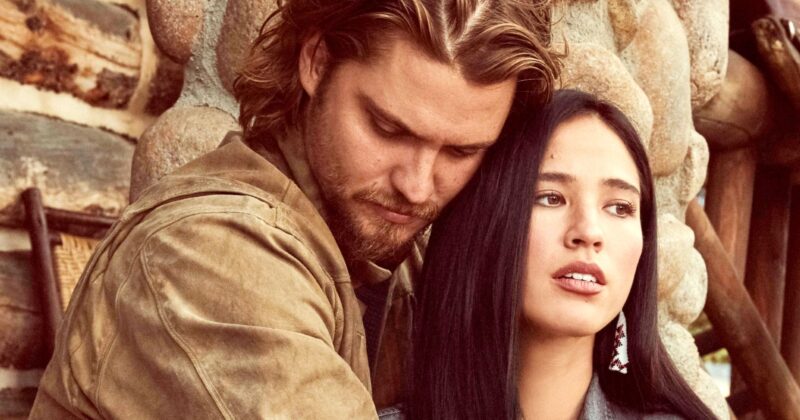
Marshals picks up the torch from Yellowstone, thrusting Kayce Dutton into a world deeply changed by tragedy and the passage of time. With the haunting loss of Monica, played by Kelsey Asbille, the series doesn’t shy away from showing just how much this absence reshapes Kayce’s path. Unlike the slow burn romance arcs typical in prestige TV, Marshals leans into the weight of grief and the inevitable challenge of moving forward, making Kayce’s new emotional journey as compelling as any Western standoff.
A Shift Marked by Grief and Difficult Choices
Most fans know Kayce as the stoic youngest son of John Dutton III, fiercely loyal, often torn between family, legacy, and the demands of relentless foes. Monica’s death casts a long shadow. Episode 6 commemorates a year since the tragedy, with Kayce and Tate holding a memorial—a wrenching yet necessary step for father and son. It’s personal, raw, and a reminder that in this tough new world, no one is left unchanged by loss. Kayce’s reluctance to attend and his eventual letting go of Monica’s necklace set a new emotional tone for the series, anchoring Marshals in a genuine exploration of mourning and reluctant hope.
The Introduction of Dolly Weaver: A Stark Contrast
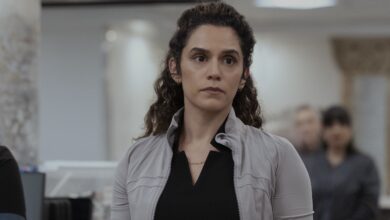
In episode 7, Marshals pushes Kayce into uncharted waters. Enter Dolly Weaver, the sharp and charismatic daughter of Tom Weaver, a wealthy rancher whose introduction already stirred up tensions in episode 4. Dolly is a study in contrasts: while Monica offered Kayce stability, empathy, and a sense of home, Dolly represents possibility, intrigue, and perhaps a risk too great for comfort. Their connection isn’t just romantic but layered with the kind of narrative complexity that drives the best television. Her interest in Kayce is clear, but circumstances—namely her father’s ambitions—put their budding relationship immediately to the test. The Weavers’ business overtures toward acquiring East Camp bring financial stakes into the personal, a classic move in neo-Western drama.
Kayce’s Emotional Crossroads: Guilt, Renewal, and a Troubled Heart
Fans of Yellowstone will remember how central Kayce and Monica’s steady relationship was to the emotional fabric of the original series. Their bond survived family feuds, violence, and wrenching choices. Marshals doesn’t erase that history; instead, it frames Kayce’s growing attachment to Dolly as a fraught but honest response to loneliness and the need for new beginnings. A frank conversation with Andrea highlights this inner conflict—Kayce admits feeling guilt while also recognizing that Monica would not have wanted him to grieve forever. Andrea’s perspective nudges Kayce toward openness and acceptance, giving viewers an authentic depiction of healing after loss.
The Larger Stakes: Romance, Legacy, and Uncertain Alliances
What sets Dolly apart isn’t just her personality but her connections and the narrative dangers they present. She’s nothing like Monica—her background and ambitions would have likely made her an ideal match in John III’s eyes, yet John never got to make that call. The unfolding relationship isn’t isolated from the central plot; instead, it’s intertwined with high-stakes ranch business deals and the unpredictable motives of the Weaver clan. The tension is palpable: will Kayce’s involvement with Dolly compromise him or provide an unexpected alliance? And what will Tate, and Monica’s extended circle, make of this new dynamic if it becomes public?
Marshals is carefully establishing its own mythology, balancing callbacks to Yellowstone with bold new storylines. Kayce’s evolution—marked by the very different presence of Dolly and the looming shadow of Monica—underscores the series’ investment in complex character development and the emotional authenticity that fans of both high-stakes Westerns and modern network dramas crave.