Why Supernatural Still Resonates: A Dive Into Its Most Enduring Episodes
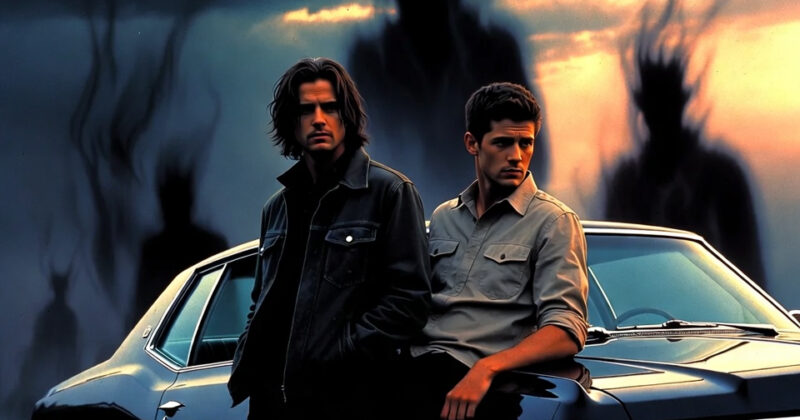
The journey of Supernatural—starring Jared Padalecki and Jensen Ackles as the legendary Winchester brothers—remains a benchmark in genre television. Blending horror, drama, meta-humor, and emotional depth across over three hundred episodes, the show carved out a unique space for itself. It was more than just demons and ghost hunts; its impact stemmed from richly layered characters and a narrative that wove pop culture references with genuine pathos. Here, we revisit ten Supernatural episodes that have endured, becoming richer and more iconic with time as the series thrives on streaming platforms and in fan culture.
The Devil’s Trap
Season one’s finale, ‘The Devil’s Trap’, set the bar for Supernatural’s infamous cliffhangers. Sam and Dean’s desperate efforts to save their father, with the aid of the beloved Bobby Singer, showcased the high stakes and deep familial bonds that would define the series. Even for those familiar with later narrative twists, this episode holds an electrifying tension and remains a classic example of early 2000s genre television at its boldest.
Mystery Spot
‘Mystery Spot’, a highlight of season three, is where Supernatural flexes its creative muscles. Using a time-loop trope reminiscent of Groundhog Day, the episode puts Sam through increasingly absurd and devastating days as he tries—and fails—to save Dean. What starts as comedic quickly morphs into psychological horror, furthering Sam’s character arc and showcasing the show’s mastery at mixing genres.
Swan Song
The emotional core of the first five years culminates with ‘Swan Song’. With showrunner Eric Kripke originally envisioning this as the series’ endgame, the stakes reach an epic scale during a showdown with the apocalypse itself. Through breakneck pacing and intimate character moments, the episode delivered some of the franchise’s most memorable performances and lasting imagery—featuring the Impala as both a battleground and a symbol of home.
Baby
By season eleven, ‘Baby’ demonstrated that even after hundreds of episodes, Supernatural could find novel storytelling techniques. Told entirely from the perspective of Dean’s cherished Impala, the episode strips away the usual epic threats for a deeply personal exploration of the Winchester dynamic. The conversations, jokes, and subtle gestures all take on added depth through the Impala’s eyes, highlighting the car’s status as a character of its own in cult television lore.
In The Beginning
Season four’s ‘In The Beginning’ transports Dean to the past, offering fans profound insight into the family’s origins and the tragic heroism that propels the Winchesters. Dean’s encounter with younger versions of his parents—and their connection to supernatural forces—adds a Shakespearean layer to his saga, showing how destiny and family secrets entwine in the Supernatural mythos.
In My Time Of Dying
Opening season two on a haunting note, ‘In My Time Of Dying’ surrounds the Winchesters in a liminal hospital space, grappling with the consequences of fate and the supernatural. The episode is rife with psychological haunting and emotional farewells, solidifying the show’s reputation for marrying horror iconography with genuine human stakes. Its subtle character revelations continue to pay off for attentive viewers.
Death’s Door
Season seven’s ‘Death’s Door’ is an unforgettable meditation on memory and loss. As Bobby Singer—portrayed with heartbreaking warmth by Jim Beaver—fights for his life, viewers travel through his defining memories. The episode explores themes of forgiveness, regret, and chosen family, making Bobby’s eventual farewell a touchstone of television heartbreak that transcends the monster-hunting premise.
The French Mistake
Meta-humor reaches its peak with ‘The French Mistake’ as Sam and Dean break the fourth wall, navigating a surreal universe where they are actors in a show called Supernatural. This audacious concept not only displays the creative risks the series would take in later seasons, but also cements its place in pop culture by embracing fan theories, self-parody, and the blurred line between actors and their characters.
Changing Channels
Before multiverse narratives became dominant, Supernatural’s ‘Changing Channels’ thrust the brothers into a zany series of television show parodies, from sitcoms to procedural dramas. The Trickster’s machinations provide laugh-out-loud moments with pointed critiques of TV conventions—and underscore the bond between Sam and Dean, even as they’re forced into ever more bizarre scenarios.
Yellow Fever
‘Yellow Fever’ delivers one of the most enduring comedic set pieces as Dean finds himself terrified of everything, from haunted cats to his ringtone. Beyond the laughs, the episode addresses themes of masculinity and trauma, offering a dose of levity while deepening Dean’s character in unexpected ways. The scene with Jensen Ackles’ infamous ‘Eye of the Tiger’ outtake alone earned this episode internet immortality.
The Legacy Continues
As streaming platforms introduce new viewers to Sam and Dean’s exploits, and conventions keep the fandom vibrant, the resonance of these ten episodes only grows. Supernatural’s blend of genre mastery, self-aware humor, and emotional complexity makes these standouts required viewing for anyone curious about why a show about hunting monsters became a study in what it means to be human.