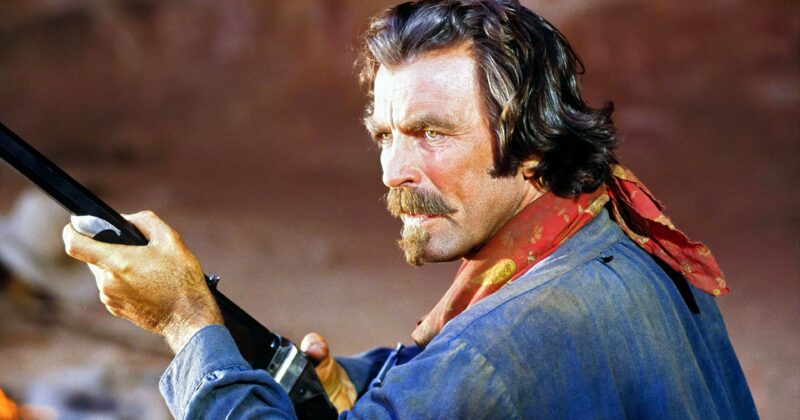
Rediscovering the Boldest Western Duel of the 90s
When fans debate the finest shootouts in modern Western cinema, the conversation almost always circles back to the iconic O.K. Corral massacre. Yet, beneath the mythos of caped lawmen and grandiose gunfights, there lies a quieter, more profound moment of tension and retribution—one belonging to Tom Selleck’s Quigley Down Under.
The 90s Western Revival and Its Hidden Gem
The 1990s revitalized the Western, catapulting the likes of ‘Unforgiven’ and ‘Dances with Wolves’ into critical acclaim. Still, not every remarkable tale got its due in cinemas. ‘Quigley Down Under’ initially struggled at the box office, falling into the shadow of bigger releases and only later finding its cult audience through VHS and frequent television showings. Today, it stands as an essential piece for those truly passionate about the genre: a movie that blends adventure with sobering historical truths.
Tom Selleck’s Legendary Sharpshooter in a Unique Frontier
Tom Selleck reinvents the classic Western hero by trading the American plains for the rugged, unforgiving Australian outback. His character, Matthew Quigley, isn’t just a marksman—he’s a craftsman with a one-shot rifle, whose skills forge both fear and respect. What sets Quigley apart is his moral code; he crosses continents not to seek fortune, but to stand against oppression and cruelty—especially when that cruelty targets the vulnerable.
Villainy Perfected: Alan Rickman’s Chilling Cattle Baron
Before becoming synonymous with the likes of Hans Gruber and the Sheriff of Nottingham, Alan Rickman delivered an unforgettable antagonist as Elliott Marston. Rickman’s Marston oozes malice, orchestrating a scheme that attempts to twist Quigley’s talents for sinister ends. His demand—target Indigenous Australians—sets in motion a story that bravely spotlights the dark side of colonization, bringing unexpected depth to the narrative.
The Definitive Western Showdown
Throughout the film, Quigley’s aversion to pistols is plain: he fights with a rifle in hand, sending a clear signal to friend and foe alike. Marston, blinded by arrogance, believes he can stack the odds with a pistol-only quick-draw, wagering his life and those of his henchmen in a last, desperate play for control. What follows is a masterclass in building cinematic tension.
Just when Marston and his cronies believe they’ve cornered the skilled rifleman, Quigley stuns everyone—proving not only is he no stranger to revolvers, but he might be their deadliest user. The rapid, almost balletic choreography of this scene places it among the genre’s most memorable duels. The coup de grâce? Selleck’s calm, almost sardonic line to Rickman: ‘I said I never had much use for one. Never said I didn’t know how to use it.’
Why ‘Quigley Down Under’ Deserves a New Audience
This underappreciated Western goes beyond the showdown trope to grapple with real, uncomfortable truths about history, imperialism, and personal integrity. It bridges thrilling set pieces with emotional stakes, anchored by dedicated performances and an unflinching script. In today’s landscape, where historical reexaminations and revisionist Westerns are gaining mainstream traction, ‘Quigley Down Under’ feels more relevant—and rewarding—than ever for new viewers and seasoned genre aficionados alike.