Revisiting Hannah Montana: A Mixed Journey Through Pop Culture Memory
When most millennials and Gen Z recall their childhood TV obsessions, Hannah Montana is the crown jewel. The premise of a teen leading a secret double life as global pop icon and regular schoolgirl was undeniably irresistible. But streaming the series now, on its anniversary celebration exclusive, reveals layers that weren’t so obvious when the laugh-track first played.
Comedy That Didn’t Always Age Gracefully
Classic sitcoms often walk a fine line between timeless and outdated humor, and Hannah Montana frequently stumbles on the latter. As sharp as some of its punchlines remain (who can forget iconic zingers during school assemblies or chaotic on-stage mishaps?), there’s a trove of jokes that simply feel off today. Double entendres—like the infamous ‘Ollie Trolley’ moment—sail over kids’ heads, but the bigger issue is the reliance on sexist quips and outright body-shaming. For instance, Thor’s character is routinely the target of fatphobic gags, never evolving beyond a one-note stereotype. These moments are a stark reminder of the era’s comedy norms, but they’re jarring in a modern context.
Miley’s Friendship Skills: Flawed But Relatable
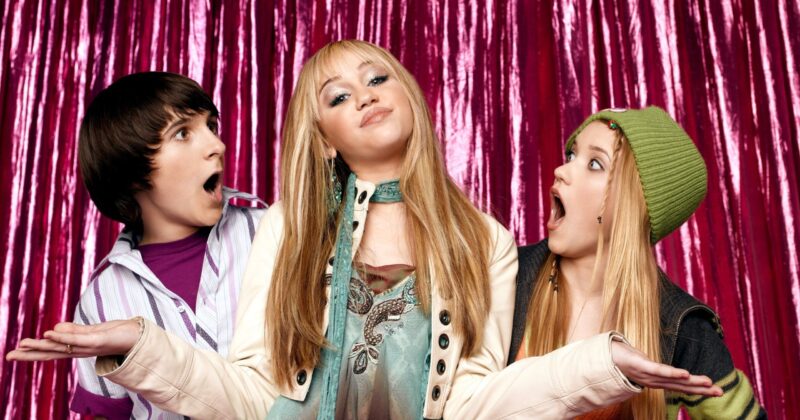
The friendship between Miley, Lilly, and Oliver was the heart of the series—a trio as charismatic as any in teen sitcom history. Still, Miley’s tendency to lie and withhold the truth turns from charmingly mischievous to exasperating when binge-watching today. Her secrecy was foundational for the ‘double life’ plot, but it’s hard to watch her repeatedly take friends for granted or misdirect frustrations when things go wrong. While much can be chalked up to teenage growing pains, the almost formulaic creation (and resolution) of problems in every episode is more transparent years later. Despite this, Miley’s imperfections never truly make her unlikable—they just make her human, especially when filtered against the high bar today’s series set for emotional realism.
Jackson Stewart: Comic Relief or Perpetual Punchline?
Jackson, brought to life by Jason Earles, was more than Miley’s comic sidekick—at least, he could have been. Instead, he’s relentlessly cast as the foolish sibling, a perpetual loser in jobs, relationships, and family competitions. His failures and humiliations are so constant that they blur into character assassination, rather than playful sibling rivalry. On review, these gags underscore how sitcoms so often sacrificed character development for an easy laugh.
Robbie Ray’s Parenting: Warm, But Worrisome
The dynamic between Miley and her father, Robbie Ray (Billy Ray Cyrus), is equal parts heartening and questionable. Allowing a teenager to manage a full-blown secret superstar identity would spark headlines in today’s parental advice columns. Robbie’s willingness to enable Miley’s clandestine career might have been intended as loving support, but it exposes glaring lapses in boundaries and oversight. There’s also a hint of favoritism; Jackson’s needs are repeatedly put on the backburner, recognized only when a guest star points it out. These narrative choices reflect different standards of family storytelling in sitcoms past.
Rico: From Annoying to Outright Toxic
Rico was always meant to be over-the-top, but time has redefined his brand of mischief. His pranks cross from silly into mean-spirited territory, especially with Jackson as his target. More striking, Rico’s manipulations—using wealth and status as weapons—venture into outright bullying. Not to mention, his repeated objectification of women would absolutely not fly in today’s family programming. Curiously, the show never delivers genuine consequences for Rico’s behavior, a glaring omission by modern standards.
The Improbability of the Double Life
Looking back, the core fantasy—no one recognizing Miley Stewart as Hannah Montana—makes less sense with each rewatch. The disguise is nothing more than a blonde wig and slight accent shift, while her father’s transparency as her manager is an open secret. For today’s audiences, used to serialized complexity and critical attention to detail, this central plot point feels almost surreal. Still, it speaks to the show’s wish-fulfillment heart, a reminder that even the most implausible dreams can anchor a phenomenon.
Nostalgia and Evolving Standards
Watching Hannah Montana now is an exercise in nostalgia tempered with new perspective. The show’s infectious music, memorable catchphrases, and high-energy gags remain fun, even as certain aspects call for a more critical lens. The legacy is undeniable, but the experience of revisiting Miley’s world—after apps like Disney+ have made it so accessible—reveals how much both our entertainment and expectations have evolved.