The Myth of the 7,000 Steps in Skyrim: Where Lore Meets Reality
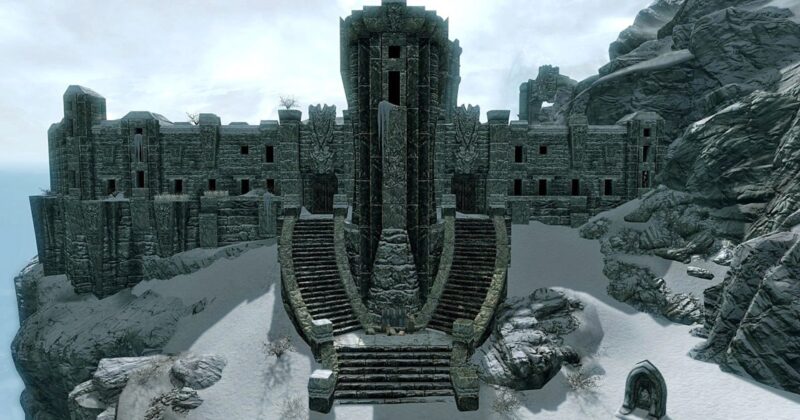
Few games have achieved the enduring cultural impact of The Elder Scrolls V: Skyrim. Its legacy is built on evocative lore, memorable memes, and iconic landmarks. Among these, the ascent to High Hrothgar stands tall—both figuratively and literally—shrouded in legend thanks to the infamous claim of there being 7,000 stone steps climbing the Throat of the World from Ivarstead village to the home of the Greybeards. Gamers have repeated this number so often it’s written into Skyrim folklore. But, as many devoted players have discovered, the actual journey tells a different story.
Counting the Steps: The Harsh Reality
Travelers who decide to literally count every step on their pilgrimage to High Hrothgar quickly realize that something doesn’t add up. The mountain path, winding through snowfields and past wandering cultists, is atmospheric, but if you take the time to tally each step, you’ll come up far short of the legend. Community members have meticulously documented the real number—a mere 748 steps, which is only about 10% of what legend—and in-game dialogue—suggests.
Why the Discrepancy?
Many wonder why Bethesda chose to inflate the number so dramatically in the lore. The answer is rooted in the fundamental constraints of game design. Skyrim operates within a carefully scaled universe, offering vast wilderness without bogging down the player in hours of traversal for every quest. Reproducing 7,000 actual steps would stretch the climb far beyond what’s practical—or fun—for players eager to confront the Greybeards or embark on the next adventure. The claim of 7,000 steps creates a sense of epic scale, even if the geography can’t match up.
How the 7,000 Steps Became Iconic
The power of the 7,000 steps legend lies in its repetition and its place in Skyrim’s broader tapestry of memorable in-universe myths. NPC dialogues, quest descriptions, and even external interviews with developers have reinforced this piece of worldbuilding. Much like the story of the Whiterun guard who ‘took an arrow to the knee’, it’s a phrase that instantly invokes the game for seasoned fans. It’s also a prime example of myth outweighing literal design—a phenomenon not uncommon in long-standing franchises.
What Awaits Along the Climb
While the real-life step count might disappoint completionists, the journey remains one of Skyrim’s most compelling set pieces. From serene snowy paths to the imposing stone temple, players encounter wildlife, treasure, and even cryptic carvings dedicated to the cult of the Voice. Despite the ‘missing’ steps, this portion of the game is filled with subtle storytelling that rewards those who pause to explore each monument and read their inscriptions. The sense of pilgrimage and accomplishment is intact—helped by the game’s atmospheric design, weather effects, and the looming presence of the Throat of the World.
Design Choices and Player Imagination
Skyrim’s trick with the steps is a classic example of how games play with both lore and practical limitations. Rather than dwell on what isn’t there, most players find themselves swept up in the moment, invested in a world that feels larger than life. For those who crave further myth-busting, the community continues to unearth similar design quirks and clever narrative shortcuts across Skyrim and other major RPGs, encouraging both newcomers and veterans to pull back the curtain and appreciate the artistry—and the clever trickery—of worldbuilding at scale.