The TV Revolution: The Series That Changed Everything
The world of television experienced a creative boom that re-shaped how audiences engaged with their favorite shows. The era brought forth iconic series, unforgettable characters, and game-changing genres that still resonate with today’s streaming generation.
The A-Team
High-octane chases, outlandish plans, and iconic performances define The A-Team. The series captured the excitement of action films while keeping violence at bay, proving that suspense and camaraderie could drive a story just as well as explosions. The team’s dynamic—each character distinct, from Hannibal’s leadership to B.A. Baracus’ tough-love approach—delivered instant chemistry that elevated the classic mercenary formula. The show’s signature style of low-stakes adventure turned the aftermath of war into an almost comic-book escapade, making every mission engaging for audiences of all ages.
Family Ties
Family Ties flipped the script on family sitcoms by casting the son, Alex P. Keaton, as the voice of conservatism, while his parents clung to their counterculture roots. By capturing the societal shifts of its era, the show honed in on intergenerational conflict with humor and wit, exploring the evolving nature of American households and politics—topics that remain just as pivotal in 2026’s streaming sitcoms as when the show originally aired. It’s impossible to mention sitcom essentials without acknowledging Michael J. Fox’s breakout role.
Star Trek: The Next Generation
After cinema reignited interest in science fiction, Star Trek: The Next Generation brought the franchise back to the small screen, introducing Captain Jean-Luc Picard and his crew on the USS Enterprise. While its first season was a bumpy ride, the show soon evolved into one of TV’s most celebrated series, laying the groundwork for modern episodic storytelling, serialized arcs, and inclusivity within sci-fi. The vision of a future rooted in collaboration, diversity, and discovery proved timeless, and it continues to influence today’s most forward-thinking space operas.
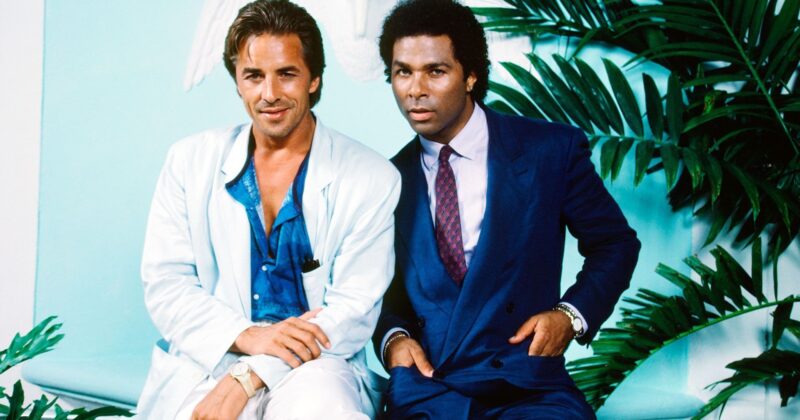
Miami Vice
Miami Vice didn’t just define cop dramas; it became the embodiment of an entire aesthetic sensibility. Flashy suits, neon nights, and thumping pop anthems set the stage for cool-headed detectives Crockett and Tubbs as they navigated Miami’s dangerous underworld. Producer Michael Mann’s direction established a blueprint for marrying music, fashion, and storytelling—a fusion that influenced everything from today’s crime thrillers to music video cinematography. Miami Vice wasn’t just a story; it was a mood.
Married… With Children
Unapologetically dysfunctional, Married… With Children deconstructed the typical family sitcom, bringing the sharp-tongued and eternally exasperated Al Bundy to the forefront. The series reveled in its lower-middle-class chaos, pushing comedic boundaries far past traditional TV norms. Ed O’Neill’s portrayal of Al Bundy would later inform future patriarchs in American comedy, and the show’s ensemble launched multiple stars who remain TV royalty today.
Dynasty
Luxury, rivalry, and glamour are the hallmarks of Dynasty. As America embraced material success, this series gave viewers a taste of high society’s extravagance with a soapy flair. The addition of Joan Collins as Alexis sent ratings soaring and set the standard for the drama of the ultra-rich—a legacy that lives on in series like Succession and Downton Abbey. It’s no wonder current ‘upstairs-downstairs’ dramas still borrow from Dynasty’s playbook.
The Golden Girls
The Golden Girls broke every conventional rule by highlighting the lives and friendship of older women, a demographic too often overlooked by the TV industry. Betty White, Rue McClanahan, Bea Arthur, and Estelle Getty delivered performances bursting with heart, humor, and razor-sharp wit. Tackling topics like aging, family, and love with grace and irreverence, the show demonstrated that top-tier comedy could come from any age group—and set the gold standard for ensemble sitcoms.
The Cosby Show
While the reputation of The Cosby Show has since been complicated by revelations about its lead, its original impact on representation can’t be ignored. The series shattered barriers by depicting an upper-middle-class Black family, achieving ratings rivaling major sporting events. Its effect on American television redefined what family sitcoms could achieve, setting a precedent for more inclusive casting and storytelling that has since spread throughout the industry.
Hill Street Blues
Hill Street Blues marked a seismic shift for police procedurals, introducing viewers to complex, multidimensional law enforcement officers. With an emphasis on emotionally rich arcs and cinematic tension, the show propelled TV toward more adult, nuanced narratives. It set the stage for landmark dramas like The Wire and Mindhunter, showing audiences and networks that television could offer the depth and realism once reserved for film.
Legacy of Innovation
Each of these series didn’t just entertain; they changed the landscape of TV, proving that risk-taking, authenticity, and a sharp understanding of pop culture could turn episodic television into a generational touchstone. Today’s best apps, streaming platforms, and binge-worthy series all owe a debt to these pioneering giants—their stories live on, inspiring both creators and audiences in 2026 and beyond.