The Uncertain Future of Fallout 5 and The Elder Scrolls 6 on PlayStation: What Xbox’s New Leadership Means for Big-Name Releases

Major Shifts in Xbox Leadership Are Redefining the Console Wars
The gaming ecosystem is buzzing with speculation as Xbox undergoes one of its most dramatic leadership reshuffles. Phil Spencer’s sudden exit after decades and the brief tenure of expected successor Sarah Bond left the industry reeling. Now, Asha Sharma assumes the helm—an executive without a deep-rooted background in gaming, but with a clear intent to learn fast and communicate transparently. Her arrival marks a potentially pivotal moment for not just Xbox, but the entire strategy of console exclusivity moving forward.
During recent interviews, Sharma has maintained a candid tone: she isn’t making sweeping promises, instead emphasizing the importance of understanding the strategic reasoning behind past choices. As she stated, ‘the plan’s the plan until it’s not the plan.’ This openness signals a shift away from the traditional playbook that made Xbox and PlayStation rivals synonymous with watershed exclusive launches.
Return of Exclusivity? The New Uncertainty for Bethesda’s Blockbusters
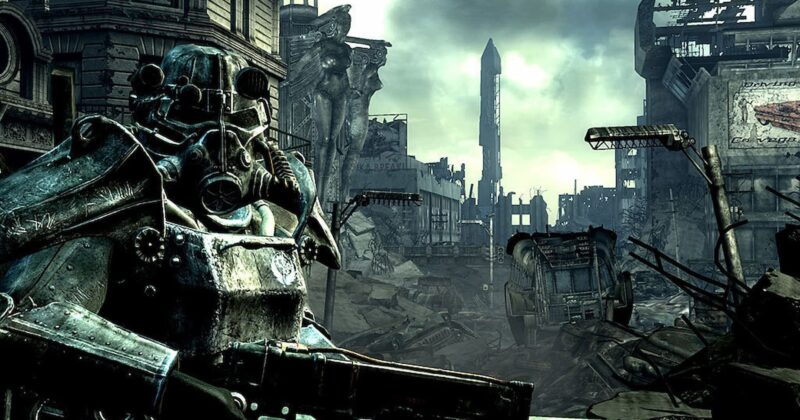
Bethesda Game Studios, known for developing iconic franchises like Fallout and The Elder Scrolls, is now at the center of fan debates and industry forecasts. These titles have defined generations of both PC and console players, but under Microsoft ownership, their cross-platform future is now clouded.
Sharma’s refusal to definitively confirm or deny whether future releases, such as Fallout 5 and The Elder Scrolls 6, will launch on PlayStation platforms has reignited discussions about the return of iron-clad exclusivity. Her response to fans clamoring for Xbox-only titles—simply stating, ‘I hear you’—demonstrates that strategic pivots are under genuine consideration. These decisions go deeper than short-term game launches; they reflect the direction of multi-year roadmaps and even Xbox’s willingness to adapt to a landscape transformed by Game Pass, cloud streaming, and increased collaboration across platform boundaries.
What’s at Stake for Players?
If key Bethesda releases were to skip PlayStation, it wouldn’t just represent a shift in competitive tactics—it would signal a historical reverse to an era many thought over. For players with memories of exclusivity showdowns between the Xbox 360 and PlayStation 3, the idea of high-profile RPGs like Fallout and The Elder Scrolls missing from PlayStation’s lineup is monumental. For Microsoft, locking these games to Xbox or PC could boost hardware sales and Game Pass subscriptions, but at the cost of fierce backlash among the cross-platform community that’s blossomed in recent years.
Technically, both Fallout 5 and The Elder Scrolls 6 are poised to push the boundaries of open-world design, AI-driven NPCs, and multi-generation performance. Each new engine revision at Bethesda has meant not only larger worlds and deeper systems, but also rising expectations for platform equality. Developers now face the challenge—and opportunity—of crafting experiences that either serve the widest audience possible, or leverage console-specific capabilities to build something distinctly exclusive.
A Period of Unprecedented Uncertainty
With so much in flux, fans on all sides are keeping a close eye on how Sharma’s tenure at Xbox unfolds. While Fable is among the next big releases set to test Xbox’s vision, it’s the fate of blockbuster RPGs from Bethesda that will define the next era of console gaming. Until a clear declaration emerges from Microsoft, the possibility of Fallout and Elder Scrolls being kept off PlayStation will remain the industry’s most pressing unanswered question.