The Unfiltered Truths Still Haunting Buffy the Vampire Slayer’s First Episode
The Legacy of Buffy the Vampire Slayer’s Premiere: Unpacking the Uncomfortable Realities
More than two decades since its debut, Buffy the Vampire Slayer continues to dominate discussions about the most influential shows in fantasy television. Yet, delving back into the series’ first episode exposes a handful of jarring truths that modern fans can’t ignore—even with all the nostalgia in play. The pilot, while undeniably effective at introducing the Buffy-verse and its unique style, is layered with elements that now stand out even more starkly against current TV storytelling standards.
Why Was Sunnydale High Still Open For Business?
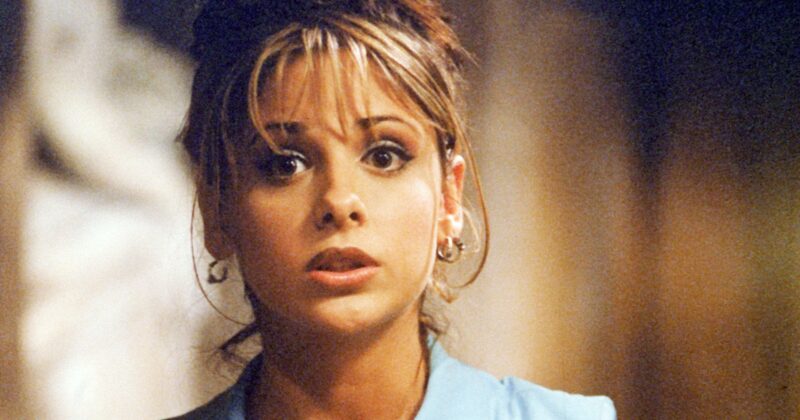
The first striking issue is the baffling resilience of Sunnydale High School. The narrative kicks off with Buffy Summers, a teenager expelled from her previous school for reasons tied to her slayer destiny. The audience quickly learns that Sunnydale is far from a regular suburban high school—deadly supernatural incidents are almost commonplace, beginning with a murder victim found stashed in a locker on day one. Logic would suggest any ordinary institution would shut its doors indefinitely following such a tragedy. Instead, the school administration merely cancels gym class, as if a corpse in the building is a minor logistical hiccup. For the students and staff, the abnormal quickly becomes routine, laying the groundwork for Sunnydale High’s infamous reputation as one of TV’s most dangerous educational settings.
Speedy Dustings: The Fast-Track Fate of Vampires
In TV’s crowded supernatural landscape, Buffy’s vampires carved out a unique visual identity. Confronting these night stalkers, Buffy dispatches them efficiently with well-aimed wooden stakes. Early episodes set a precedent—each vampire rapidly crumbles into dust on impact, often vanishing in seconds. This quick resolution served pacing and budgetary constraints alike, but as the seasons progressed, showrunners experimented, briefly revealing skeletal remains before the final poof. Rewatching the original episode, this rushed demise now appears almost comical, a charming but slightly jarring contrast to the later, more nuanced special effects.
Xander Harris: Surprisingly Relatable in the Beginning
Among diehard fans, Xander Harris often stirs debate for his later behavior—entitled, awkward, sometimes crossing into manipulative territory. However, the very first episode leaves a different impression. In his debut, Xander is more relatable, his awkwardness and attempts at humor lending him a certain underdog appeal. While his infamous downslide into the less likable “nice guy” persona is evident in retrospect, there’s an undeniable earnestness to his initial portrayal. It’s a reminder that character arcs can take surprising turns, for better—and sometimes for worse.
The Angel Enigma: Setting Up a Twist in Plain Sight
The introduction of Angel is a subtle masterstroke. He steps into the narrative cloaked in mystery, trailing Buffy by night, offering cryptic warnings and the now-iconic cross necklace. Angel’s initial interactions are a model of misdirection; his comment, ‘I don’t bite,’ slips by most first-time viewers as a cheesy line. In hindsight, every word and glance is laden with foreshadowing about his true nature—a vampire with a soul, destined to become one of the show’s most complex and beloved characters.
Simplistic Showdowns: The Evolution of the Action Sequences
Buffy is renowned for its ambitious—and eventually, its highly polished—fight choreography. But rewatching the pilot episode, the initial fight sequences feel notably awkward. The actors, unfamiliar with stunt combat, move with hesitation. These early battles are more practical than kinetic, their simplicity sometimes undermining the tension. This isn’t just a technical limitation; it also mirrors Buffy’s own inexperience at the series’ start, as she’s still developing under Giles’ guidance. Fans today, used to slicker action thanks to higher budgets and advanced stunt work, may find the show’s humble beginnings surprisingly disarming—and ultimately, authentic.
Linguistic Teething: Dialogues Before the ‘Buffy Speak’ Era
The quirky, rapid-fire dialogue—often dubbed ‘Buffy speak’—would become the show’s signature. Sarcasm, creative wordplay, and deadpan wit give the series its unforgettable voice. However, those rhythms were still forming in the premiere. At times, lines land with a self-conscious thud or feel overtly stylized, as writers and cast worked to nail down the tone. This early experimentation in dialogue, though occasionally forced, paved the way for what would become some of the most quotable banter in genre TV.
Revisiting the beginnings of Buffy the Vampire Slayer is both a nostalgia trip and an exercise in critical reappraisal. The series’ enduring impact lies not only in its subversive narrative, but also in its willingness to evolve. The imperfections of the pilot episode are a fascinating window into how TV storytelling, genre conventions, and character development have grown across decades. For longtime fans and curious newcomers alike, Buffy’s first night in Sunnydale remains a touchstone for everything supernatural TV could—and eventually would—aspire to be.