The Twisted Legacy of Ghostface: A Franchise at a Crossroads
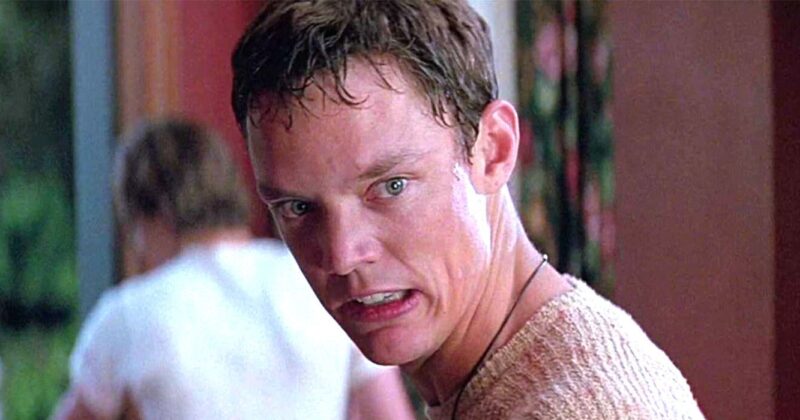
The seventh installment of the legendary Scream franchise delivers exactly what fans expect—fresh blood, familiar faces, and enough meta-commentary to keep horror buffs on their toes. Yet, behind the scenes, the film almost pulled off its most audacious move ever: resurrecting Stu Macher, the original wild card Ghostface. For those still haunted by Matthew Lillard’s chaotic performance in the saga’s first outing, the creative team’s hesitance to revive him offers a window into the evolving boundaries of modern horror storytelling.
AI and the Ethics of Resurrection
In Scream 7, the specter of Stu Macher looms large—not as a reanimated murderer, but through the chillingly modern device of deepfake AI manipulation. Sidney Prescott, once again portrayed by Neve Campbell, finds herself taunted not only by a new generation of Ghostface killers targeting her daughter Tatum, but also by «video calls» from what appears to be Stu himself. However, rather than literal resurrection, the film reveals that the killers used advanced artificial intelligence to simulate Stu’s presence as a psychological weapon.
This plot thread is more than just a narrative twist. It reflects broader anxieties within the tech and film communities regarding identity, authenticity, and the limitations of digital resurrection. As technology blurs the line between reality and fiction, especially with AI now capable of convincingly recreating deceased stars, Scream 7 taps into a timely debate erupting across Hollywood regarding the ethics and creative risks of such use.
Behind the Camera: Alternate Endings and Risky Decisions
Director Kevin Williamson confirmed that the team filmed two versions of the ending, including one where Stu actually survived. The test audiences proved decisive. According to Williamson, ‘We shot a little coda at the end that we had in our back pocket, but the decision was that the audience wanted him dead.’ The choice not to bring back Stu physically hinges on both narrative coherence and audience plausibility—a challenge that any long-running franchise faces when toying with the resurrection of iconic villains.
It’s a meta nod to the self-aware roots of Scream: while the original film shocked with its reveal of multiple killers, subsequent sequels have leaned into subverting slasher tropes and fan expectations. Bringing back Stu would have risked undermining the franchise’s credibility, and, in a digital age preoccupied with AI, the film’s approach lands eerily close to real-world concerns.
Matthew Lillard: The Human Element in Scream’s Mythos
Beyond plot mechanics, the film and its creators are conscious of the enduring appeal of Matthew Lillard—both for his magnetic unpredictability onscreen and his genuine warmth behind the scenes. The production’s embrace of his ‘wild energy’ honors Scream’s history without relying solely on nostalgia. Lillard’s range as an actor is highlighted, with Williamson remarking on the depth and maturity he brings, suggesting the franchise has yet to fully tap his talents.
New Killers, New Tech, Same Legacy
The new Ghostface unmasking uncovers a group of obsessive fans—Jessica, Marco, and Karl—each echoing the franchise’s core fascination with lore and legacy. This time, the threat is doubled as both digital manipulation and real-world obsession intersect, embodying contemporary fears about technology and fan culture.
While the execution of Scream 7 has divided critics and fans alike, with critic scores languishing despite a robust audience turnout, its commercial performance remains strong. It stands as proof that the franchise still strikes a nerve—whether through nostalgic callbacks, innovative tech horror, or simply delivering the grisly suspense fans adore.
Cultural Repercussions and Franchise Disruption
The release of this installment hasn’t been without controversy. The departures of Melissa Barrera and Jenna Ortega rocked the fan community, catalyzing debates about creative direction, social responsibility, and the future of beloved series amidst broader industry shifts. Yet, the box office success underlines the franchise’s resilience. Even in an era of AI imposters and genuine human drama, Scream’s combination of social commentary, meta-horror, and sharp performances ensures it remains a vital part of pop—and horror—culture.