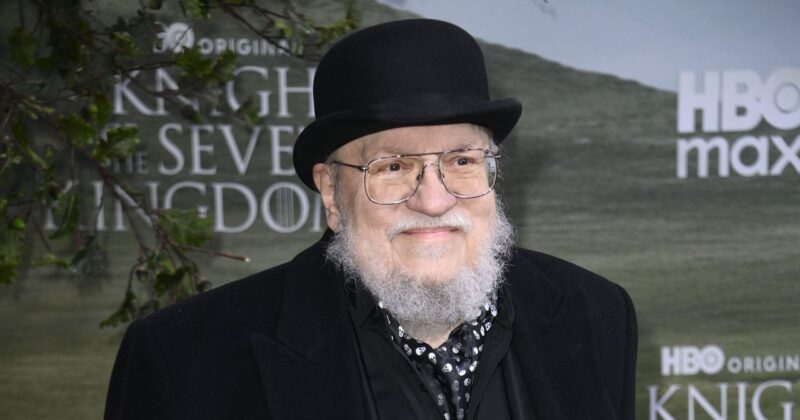
The Untold Game of Thrones: How George R.R. Martin’s Original Plan Would Have Radically Changed the Series
The Game of Thrones That Almost Was
Long before Game of Thrones became a global phenomenon on television, George R.R. Martin crafted an early outline for his epic saga that would have completely altered the series as we know it. This original version, penned in the early development phase, was both more concise and shockingly different—especially in who would ultimately sit on the Iron Throne.
Jaime Lannister: The King Westeros Never Got
Martin's first draft introduced a radically different landscape. While the Starks and Lannisters were always destined to clash, and Daenerys was already set to cross the Narrow Sea with the Dothraki, a major divergence lay in the fate of the Iron Throne. Here, Jaime Lannister—far from the complex antihero we later grew to appreciate—was painted as a traditional villain, closer to the likes of Cersei, Joffrey, or Tywin in ambition and ruthlessness.
According to Martin's notes, Jaime was set to ascend to the throne by systematically eliminating those ahead of him in the line of succession, particularly after Tyrion killed Joffrey. If you imagine the typical ‘evil and charismatic uncle usurps power’ trope, this was it. Such a drastic move would have collapsed all Lannister storylines into Jaime and Tyrion alone, stripping out the gradual downfall of Cersei and leaving us without much of the nuanced character development fans came to love.
An Alternate Westeros: Faster, Simpler, Less Gritty
The jump from Martin's early blueprint to what we ultimately saw reflects his commitment to subverting classic fantasy tropes. In the original outline, Jaime's coronation would have made for a shorter, more conventional fantasy narrative—one that sacrificed the rich, realpolitik-driven complexity that made A Song of Ice and Fire and HBO's adaptation unique. Modern fans have come to expect realism and surprising depth in their fantasy, and Jaime's rushed path to kingship would have contradicted the series' core philosophy: in Westeros, titles and crowns are not simply seized without consequence.
It's also important to note that, by any logical standard of Westerosi succession, Jaime had little claim. As Joffrey's uncle, his ascent would have required the elimination of the entire Baratheon line—and Cersei's other children. In the world Martin built, such leaps rarely go unchallenged. The series is famous for its attention to feudal legitimacy, which in turn heightened suspense and made the eventual plot twists so satisfying for viewers and readers alike.
The Expansion That Changed Everything
Martin's decision to expand upon his draft and deepen its characters set the stage for one of the most dynamic and unpredictable series in television history. By broadening Jaime's character arc—from cold villain to conflicted hero—the story gained emotional complexity and a sense of moral ambiguity rarely seen in fantasy. Stories like Cersei's manipulations and eventual downfall became essential, showcasing the political intrigue and psychological drama that made the franchise legendary.
Today, the effects of that choice can be seen in the enduring popularity of the saga. Game of Thrones became a worldwide obsession not because it followed a predictable fantasy formula but because it broke away from it, weaving together threads of power, betrayal, and redemption in ways that consistently defied audience expectations.
How the Series Compares: TV Versus Original Vision
The showrunners made their own adaptations along the way, but Martin's foundational alterations to his story outline created the narrative richness that HBO capitalized on. If he had stuck to his faster, more trope-driven version, the saga would likely never have reached the same level of cultural impact or inspired such heated discourse. Every memorable moment—from the Red Wedding to Daenerys' conquest—grew from the seeds of a more complex, evolving vision.