The Untold Hardships Behind the Classic Teenage Mutant Ninja Turtles Movie Suits

The Birth of an Icon: Practical Effects and Real Struggle
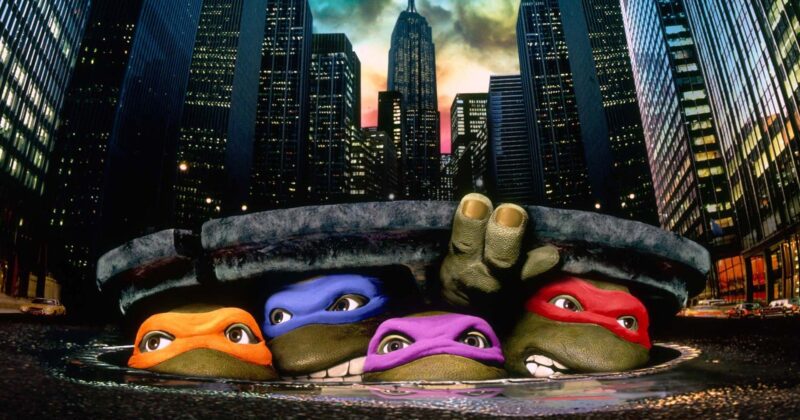
Few characters have conquered pop culture as thoroughly as the Teenage Mutant Ninja Turtles. Originally emerging from Kevin Eastman and Peter Laird’s underground comic pages, the foursome rapidly evolved into a merchandising dynamo: hit cartoons, toys, video games, and blockbuster movies. But among the many portrayals, one depiction is burned into the memory of anyone who grew up loving these heroes in a half shell—the practical suits designed for the original live-action film trilogy.
Jim Henson’s Creature Shop and the Technology Revolution
The artistry and tech wizardry came courtesy of Jim Henson’s Creature Shop, the legendary team behind cinematic puppetry milestones. Their work on the Turtles suits raised the bar for animatronic effects in film. With intricate servos and electronics hidden in the bulky foam latex, the suits allowed for subtle facial expressions and surprisingly lifelike movement. As Donatello’s actor, Leif Tilden, described, they were the ‘NASA of puppetry’—a groundbreaking blend of robotics and costume design.
The Hidden Cost of Moviemaking: Actors in the Hot Seat
Yet all that technical magic came at a steep price for the humans inside. The physical toll taken on the actors is the stuff of Hollywood legend—and a crucial element in what made the original movie’s tone so distinct. Josh Pais, who portrayed Raphael, recalled being encased in plaster for suit-molding sessions, forced to breathe through straws and pushed to psychological limits to test his endurance. David Forman, Leonardo’s performer, has shared that between takes, the actors would collapse on all fours, portraying turtles in agony rather than vigilantes in action.
Actors sweated through hours of takes inside costumes fitted with moving parts and heavy electronics. Even space-age cooling vests (borrowed from actual astronaut tech) failed to protect them from near-heatstroke, as Michelangelo’s actor Michelan Sisti reported that the sudden temperature drop almost proved life-threatening.
Why the Movie Feels So Real—And Why It’s Rare Today
This crushing ordeal had an unexpected impact: it gave the film a tactile authenticity that’s rarely found in CGI-heavy productions. Despite the severe discomfort, the physical suits fostered a presence that permeates every fight scene, every pizza-fueled banter, every brooding rooftop vigil.
The original movie, directed by Steve Barron, didn’t shy away from the grit of its comic book roots. The heavy, perpetually grimy atmosphere, combined with the astonishingly expressive costumes, established a mood that felt as dark—and as real—as the New York streets the Turtles called home.
Modern digital incarnations, like those deploying full motion-capture technology, may enjoy streamlined production and endless creative flexibility. Still, even recent mo-cap stars like Alan Ritchson (featured in the Michael Bay-produced Turtles films) have described the process as grueling in a fundamentally different way. Yet, nothing matches the tangible, almost claustrophobic power of practical animatronics. The visual weight and imperfection of physical suits gave the original Turtles an edge—and a vulnerability—that CGI versions often struggle to replicate.
From Cinema to Stage: Cultural Impact Beyond the Movies
The enduring appeal of those suits went beyond film. Thanks to their iconic status, they spawned a musical roadshow—«Coming Out of Their Shells Tour»—cementing the Turtles as live-action legends. Their influence is still visible, even as today’s adaptations chase hyper-stylized animation and rapid-fire comedy, as seen in the more recent and critically acclaimed “Mutant Mayhem.”
The Legacy of the Suit Era
Ultimately, these harrowing tales from the actors don’t just provide trivia for the curious—they reveal why the original film’s atmosphere remains unmatched. The mixture of technological craftsmanship, human endurance, and a willingness to push for tangible realism created more than a children’s spectacle. It set a benchmark in practical effects and pop culture storytelling that remains potent today, drawing seasoned fans and a new generation into the shadows of sewer-bound heroism.