The Crucial Role of a Title in Pop Culture Phenomena
Titles hold transformative power—something that might seem trivial can instead define a franchise’s fate. Among the clearest cases in entertainment history is The Walking Dead, a franchise that has reshaped not only the zombie genre but carved its name in the broader pop culture lexicon. But what if this seismic series had been called something else?
Kirkman’s Risky Title Pitches: From Romero to Planet of the Apes
The origin of The Walking Dead reveals a fascinating crossroads. Comic co-creator Robert Kirkman originally envisioned his zombie saga as a continuation of George Romero’s iconic works. It’s no secret that Romero’s Night of the Living Dead sparked the modern fascination with zombies, but Kirkman’s initial urge to directly borrow the title Dawn of the Dead was instantly blocked. The issue was more than copyright; it was identity. While drawing inspiration is universal in creative circles, directly adopting a legendary name risks both legal complications and creative stagnation.
His second title, Planet of the Zombies, echoed another cinematic mainstay—clearly riffing off Planet of the Apes. It conjured an entirely different vibe, pushing the comic into pulp B-movie territory, a style that lacks the gravitas and existential dread that would come to define The Walking Dead experience. Neither name conveyed the dual meaning that ultimately made the chosen title a modern classic.
The Resonance Behind ‘The Walking Dead’
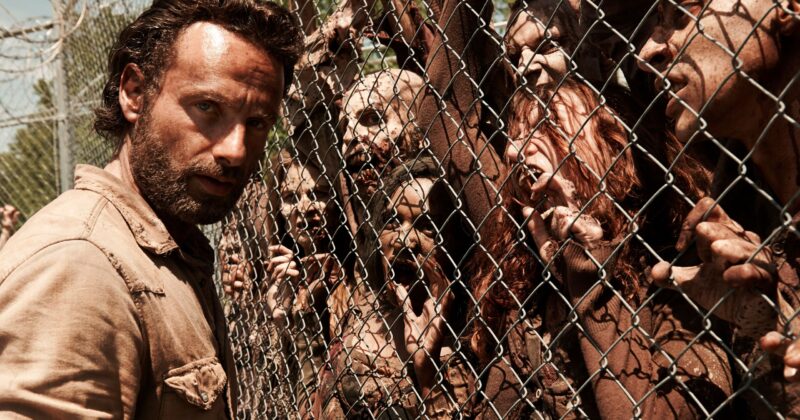
On his third try, Kirkman landed on The Walking Dead, a phrase with chilling simplicity and thematic depth. Unlike its earlier pitches, it doesn’t just reference shuffling corpses. Instead, it cuts deeper, reflecting not just the animation of the dead but the existential plight of the living. Amid the outbreak, humanity’s survivors become the true ‘walking dead,’ their existence paralleled by the relentless undead outside the gates. This double entendre is more than clever—it’s the philosophical backbone that gave the series its edge.
Importantly, the title also offered brand clarity. For new readers or viewers scanning streaming platforms or comic shelves, ‘The Walking Dead’ tells you immediately what’s at stake. It’s a promise of both danger and drama—a story of survival, morality, and transformation set against the bleak, ever-evolving canvas of the apocalypse.
How a Name Fueled a Multimedia Empire
The domino effect of the right title can be seen in the massive footprint The Walking Dead franchise commands today. After its TV adaptation premiered, the universe expanded—giving rise to acclaimed spin-offs like The Walking Dead: Daryl Dixon and The Walking Dead: The Ones Who Live, and sustaining relevance through comics, video games, and even interactive apps. The franchise’s marketing juggernaut, merchandise, and devoted fanbase are rooted in the emotional resonance of those three words.
Key cast members became household names—Andrew Lincoln, Norman Reedus, Melissa McBride, Danai Gurira, Lauren Cohan, and others—anchoring a series where the living, as much as the undead, drive the narrative forward. Kirkman’s carefully selected title was the first piece of a complex puzzle: it set the tone for ethical dilemmas, harrowing journeys, and relentless tension that unknowingly contributed to the show’s two-decade domination of the genre.
The Walking Dead’s Enduring Legacy
In the saturated landscape of zombie fiction, titles matter. The evolution from almost-generic pitches to a name as haunting as The Walking Dead proves that first impressions are destiny in entertainment. The title is simultaneously blunt and poetic, encapsulating both genre promise and existential dread. In an industry full of could-have-beens, this single choice let a comic book blossom into a culture-shaping titan—showing that sometimes, three words can change everything.