The Evolution of the Creed Franchise: Beyond Boxing, Beyond Borders
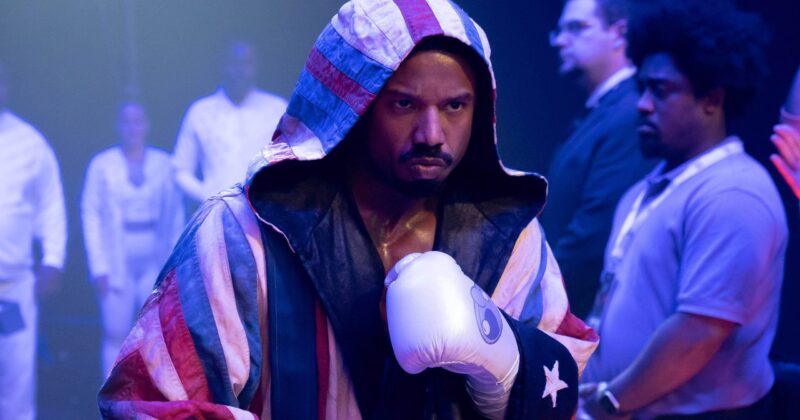
The journey of Adonis Creed has been one of contemporary cinema’s most fascinating success stories. Stemming from a bold revitalization of the Rocky universe, the Creed films have evolved into a distinctly modern franchise. When Michael B. Jordan stepped into the dual role of star and director for the third installment, he helped push the saga from pure boxing spectacle into innovative cinematic territory—a move that resonated with a new generation of viewers.
By the time the third film arrived, Creed’s world was operating largely independent from Rocky Balboa, marking a new era where its characters and stories could truly stand on their own. The critical and commercial triumph of that chapter led fans and industry insiders to speculate on what boundaries the franchise might break next. Rumors of a fourth film and even an original TV series started circulating, and yet, a surprising piece of the franchise had quietly slipped by almost unnoticed.
The Creed Anime Experiment: What Was Creed: Shinjidai?
Die-hard fans know that anime has had a growing influence on Hollywood’s visual and narrative style. Few, however, expected Creed to enter that arena so directly. As a huge anime enthusiast himself, Michael B. Jordan championed a side project that brought the franchise to an entirely new medium—a short film called Creed: Shinjidai. This creative detour wasn’t just a stylistic experiment; it marked the first time a major American sports franchise crossed fully into anime territory, blending cosmic adventure with the underdog spirit that defines the Creed saga.
Produced in collaboration with the studio behind Megalobox, a critically acclaimed boxing anime, Creed: Shinjidai tells the story of three young fighters thrust into a cosmic struggle that demands they learn to trust each other to survive. The short was originally announced as a bonus for the Japanese theatrical release of Creed III, intended as a special treat for anime fans and symbolizing the franchise’s global reach.
How & Where Was Creed: Shinjidai Released?
Its launch, however, was as limited as it was mysterious. Japanese movie-goers got to see the short after select showings of Creed III, and a handful of fortunate fans in Los Angeles caught it during a one-week run at the famous Alamo Drafthouse, where it screened ahead of the indie film Bottoms. Outside these rare appearances, though, Creed: Shinjidai essentially disappeared. There has never been a full, official release on any streaming platform or as a part of the Creed III home video features—making it one of the most elusive artifacts in recent pop culture memory.
Why Is Creed: Shinjidai So Hard to Find?
Despite Michael B. Jordan’s enthusiastic social media plug and the cooperative push from Amazon MGM, nearly all traces of Creed: Shinjidai have vanished from the mainstream web. Fans who weren’t in the right place at the right time have been left scouring the internet for even a few images or a plot description. The few references that exist only deepen the intrigue surrounding this crossover project.
Speculation abounds. Was it a studio experiment gone awry, or a test balloon for possible future anime adaptations? Did licensing complexities or the differences in global distribution for anime versus live-action films play a role? As of now, there are no clear answers, and so the short film occupies a unique status—as lost media that officially exists but remains tantalizingly out of reach.
Creed’s Anime Legacy and the Pop Culture Ripple Effect
While most fans of the franchise have to content themselves with the anime-inspired sequences in Creed III, the existence of Creed: Shinjidai cements the series’ willingness to innovate and experiment far beyond its boxing roots. Creed now finds itself in conversation not only with American sports movies but with Japanese animation, bringing together global fandoms and hinting at even deeper storytelling possibilities for future installments, whether on the big screen or as a streaming series.
For collectors and anime enthusiasts, Creed: Shinjidai has already become something of a Holy Grail. Should it ever receive a wide release, it will not just satisfy curiosity—it will offer a fascinating look at hybrid storytelling and the untapped potential for franchise crossovers in the digital age.