The Wheel of Time: Why Prime Video’s Fantasy Epic Became a Cult Classic

Prime Video’s Spectacular Gamble: The Wheel of Time
Prime Video has redefined what streaming platforms can accomplish with big-budget television, offering everything from futuristic epics to satirical superhuman chaos. Yet, among its roster, The Wheel of Time stands out as perhaps its most ambitious—and paradoxically undercelebrated—fantasy series.
A Genuinely Massive Undertaking
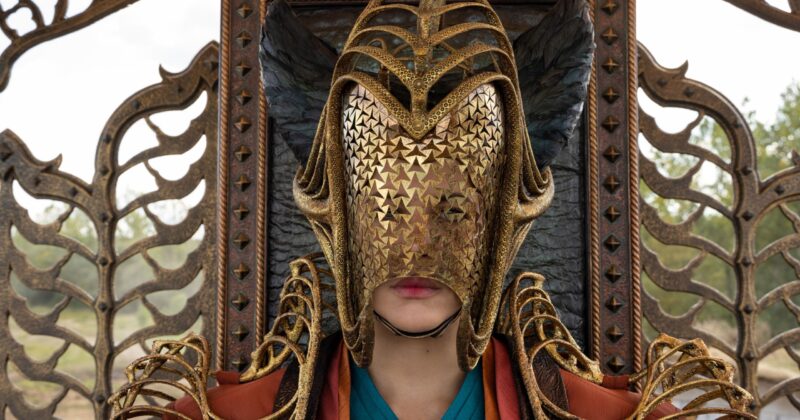
Adapting Robert Jordan’s beloved 14-book saga for television is not for the faint-hearted. The work spans thousands of pages, a vast tangle of mythologies, dozens of cultures, and deeply interwoven histories and prophecies. Executing this on screen meant investing in lavish sets, globe-spanning locations, and some of the most intricate costumes and visual effects seen in fantasy TV.
Prime Video positioned The Wheel of Time as its answer to other fantasy titans—yet it didn’t merely replicate; instead, it forged a unique identity. Faithful readers of Jordan’s novels and newcomers alike were met with a cinematic vision where the One Power felt palpable, monstrous Trollocs were nightmare fuel, and cities like Tar Valon brimmed with atmosphere.
Initial Doubts, Rapid Growth
Early reactions from both critics and audiences revealed a show bursting with promise, albeit hampered by early missteps. The first season’s ambition was clear, but issues such as uneven pacing and condensed narratives divided long-standing fans. The ensemble cast, however, received praise for bringing nuance and depth even in difficult arcs.
What set The Wheel of Time apart was its visible learning curve. While the first season faced growing pains, subsequent seasons showed a remarkable evolution. The creative team began to let its characters breathe, allowing the world to expand organically rather than rush through lore checklists. By the time of the third season, what had begun as promising but uneven had matured into a tightly constructed, emotionally resonant spectacle.
The Redemption Arc of a Fantasy Epic
Where other series have plateaued or faltered, The Wheel of Time managed one of television’s most notable glow-ups. Season two introduced refined arcs and deeper interpersonal stakes. By the third season, the show’s action sequences, character payoffs, and emotional beats resonated with a confidence that only comes when a creative vision clicks into place.
This isn’t just adaptation—it’s reinvention. Viewing parties and fan communities commonly refer to the show’s journey as a redemption arc, reminiscent of classics like Avatar: The Last Airbender, where audiences witnessed an uneven start transform into something extraordinary.
The Sudden Halt: Cancelation Amid Triumph
Despite reaching new heights in storytelling and earning an impressive 97% on Rotten Tomatoes during its third chapter, Prime Video pulled the plug on The Wheel of Time. The show’s cancelation shocked both casual viewers and die-hard fans, especially with so many plotlines—Rand’s unfolding destiny, Egwene’s nascent arc—left tantalizingly unresolved.
This decision fell in line with a modern streaming era curse: high-budget genre series are often cut short just as they hit creative maturity. It’s a sobering reality for fans invested not just in action or world-building, but in the intricate character journeys that are so often the true heartbeat of epic storytelling.
What The Wheel of Time Proves About Fantasy on TV
The Wheel of Time stands as a prime example of how big-budget fantasy can mature, improve, and dare to carve its own legacy. The series is a blueprint for adaptation done right—ruthlessly streamlined when necessary, but never at the expense of genuine heart or mythic scale. For fantasy aficionados, its three seasons remain an essential watch, rich with lore, drama, and spectacle.
For those eager to immerse themselves in an evolving world of prophecy, magic, and power struggles, The Wheel of Time is streaming on Prime Video, waiting to be (re)discovered.