The Witch: Peering Into the Shadows of Folk Horror
When it comes to modern horror, few studios and filmmakers have stirred the pot quite as fiercely as A24 and Robert Eggers. Long before he took on legendary tales like Nosferatu and The Northman, Eggers introduced the world to his chilling directorial vision with The Witch. Over time, what was once a divisive debut matured into a cornerstone of folk horror—a film that resists easy categorization and rewards patient viewers with atmosphere, psychological tension, and relentless ambiguity.
Atmosphere Steeped in Dread
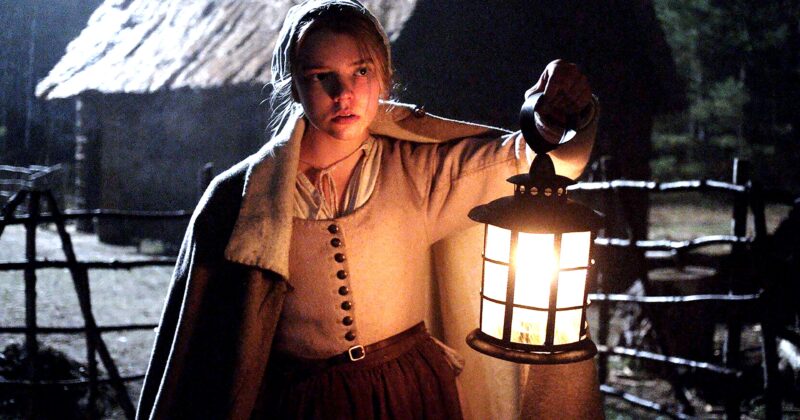
The Witch stands apart for its meticulous approach to world-building. Set against the bleak backdrop of 17th-century New England, every frame is curated to perfection: the Puritan family’s banishment, their crude new homestead edged by endless, menacing forests, and a palette that makes you feel every chill and shadow. The stark realism of the family’s isolation transforms the landscape into a character of its own. Eggers’ detail—the period-accurate language, the mud-caked costumes, the palpable tension in even the quietest scenes—anchors viewers in a world teetering on the brink of hysteria.
As the family’s crops fail and mysterious events multiply, suspense mounts with a slow, creeping inevitability. This isn’t the jump-scare-laden style that dominates much of mainstream horror. Instead, Eggers crafts dread through authenticity, letting the audience feel the weight of an oppressive faith and the wild uncertainty of the surrounding woods.
A Psychological Labyrinth
At the narrative’s core is Thomasin (stunningly portrayed by Anya Taylor-Joy in her breakout role), whose journey is as much about fear of the unknown as it is about coming of age within the rigid confines of Puritan ideology. The dynamics within the family—religiously devout parents, rebellious siblings, and the looming specter of supernatural evil—strike at universal anxieties about identity, blame, and repression.
Eggers wisely keeps the family’s original dispute with their community ambiguous, allowing deeper questions to percolate: Are the devils truly outside, lurking in haunted woods, or bred within by faith pushed to paranoia? Thomasin’s frustrations and desires feel timeless, as does her uncertainty about escaping her family’s fate. Watching the boundaries between religious fervor, superstition, and actual witchcraft blur is a large part of what makes the film so arresting.
Impressions That Linger—Both Good and Unsettling
Not every creative choice lands equally well today. Some of Eggers’ boldest strokes—such as the depiction of nudity, especially in the context of witchcraft, and the subversive tensions between siblings—tip into genuinely uncomfortable territory. The film’s willingness to showcase disturbing imagery often feels less about shock for its own sake and more about probing at deep-seated fears. Still, the discomfort is real, and some moments may be off-putting for viewers sensitive to such themes.
Certain subplots, like the twins’ ambiguous relationship to the occult or Caleb’s theological dilemmas, come close to brilliance but at times rush by too quickly. A broader exploration of these elements might have deepened the mythology and stakes, yet Eggers maintains a tight, 92-minute structure that sometimes trades detail for pace.
Acting That Grounds the Supernatural
Much of what makes The Witch work is its cast. Anya Taylor-Joy’s performance is all subtlety and quiet anguish, laying the foundation for the incredible career she would build in genre-defining roles. Ralph Ineson and Kate Dickie wield the parental roles with gravitas, embodying both the resolute faith and the unraveling dread that drives their characters. Harvey Scrimshaw, as Caleb, sometimes feels stiff, but in moments of terror—particularly during his feverish possessions—he taps into something genuinely primal.
The Witch’s Lasting Legacy
As a piece of folk horror, The Witch remains a vital touchstone for filmmakers and aficionados. Eggers’ atmospheric visuals, almost oppressive authenticity, and thought-provoking themes have influenced a wave of socially conscious horror and period storytelling. Even as viewers and critics recognize some hurried elements in the plot or question certain discomforts in its imagery, the film’s mastery of mood and ability to provoke real unease are rarely matched.
For those looking to experience—or revisit—this unsettling trip through Puritan paranoia, The Witch is available to stream on Max.