Thriller Masterpieces: A Journey Through Cinema’s Sharpest Minds and Nerves

The Art of the Thriller: 10 Decades of Cinematic Suspense
Across a century of storytelling, thrillers have pushed the boundaries of cinema, giving audiences more than just suspense: they’ve shaped trends in visual style, character, and the very language of film. The genre has flexed its versatility, weaving between psychological horror, noir, action, and mystery, often serving as a mirror for societal anxieties and dark fascinations.
The Birth of Psychological Unease: The Cabinet of Dr. Caligari
The smoky atmosphere and twisted sets of The Cabinet of Dr. Caligari laid the psychological foundation not just for thrillers, but for horror and even comics that tap into the grotesque. German Expressionism here becomes a template for filmmakers from Tim Burton to the creators of Batman: The Animated Series. The film’s hypnotic premise, where Dr. Caligari manipulates his sleepwalking assistant to carry out murders, hallmarks one of cinema’s earliest twist endings, echoing through pop culture to this day.
Predators Among Us: Freaks
Freaks is as disturbing now as it was on release, blurring the lines between horror and thriller with its revenge-fueled narrative set in a circus sideshow. Sizzling with early noir vibes, Tod Browning’s work continues to resonate in modern storytelling about outsiders and revenge, generating lasting discussions on representation within cinema and TV.
Noir Perfection: Double Indemnity
If you want to understand noir, start with Double Indemnity. The razor-sharp interplay between an insurance salesman lured into murder and a magnetic femme fatale shaped an entire cinematic era. The film’s narrative DNA can be detected in countless thrillers and neo-noir games, reinforcing tropes around flawed heroes and their inevitable downfalls.
On the Brink: The Wages of Fear
The tension in The Wages of Fear has rarely been matched. Tasked with transporting nitroglycerin across perilous roads, the characters’ existential dread is palpable, making every pothole and twist a matter of life or death. The sweat and fear of this journey would echo decades later, not only in Sorcerer but in gaming titles like the Uncharted franchise, replicating that relentless, nerve-wracking journey through danger.
Shock and Awe: Psycho
Alfred Hitchcock redefined what suspense meant with Psycho. From its infamous shower scene to the haunting score, this film is essential for anyone who loves thrillers. Hitchcock’s delight in shocking the audience—breaking narrative rules and taboos—set the groundwork for the twist-driven, stylized thrillers that dominate current streaming platforms.
The Relentless Pursuer: Dirty Harry
Dirty Harry introduced us to the archetype of the rogue detective. Clint Eastwood’s portrayal shaped modern anti-heroes and brought forth countless imitations in both cinema and games. More than just a procedural, this film interrogates questions of justice, morality, and the cost of obsession—questions still explored in today’s complex TV dramas and open-world detective games.
Obsession and Style: Dressed to Kill
Brian De Palma’s Dressed to Kill is a love letter to Hitchcock infused with 80s flair. De Palma’s use of cinematic language—long, suspenseful sequences without dialogue and intricate plot construction—raises the genre’s game for visual storytelling. The film’s influence stretches into today’s streaming thrillers and continues to inspire the design and pacing of interactive experiences across platforms.
The Epic Crime Thrill: Heat
Michael Mann’s Heat is a sprawling meditation on cops and robbers, where the cityscape becomes as vital as its leading men. The movie’s legendary shootout sequence and complex character studies have set enduring standards for both action thrillers and narrative-driven triple-A video games. Its DNA is felt in every heist-centered story, whether on the big screen or in episodic crime series.
Existential Threats: No Country for Old Men
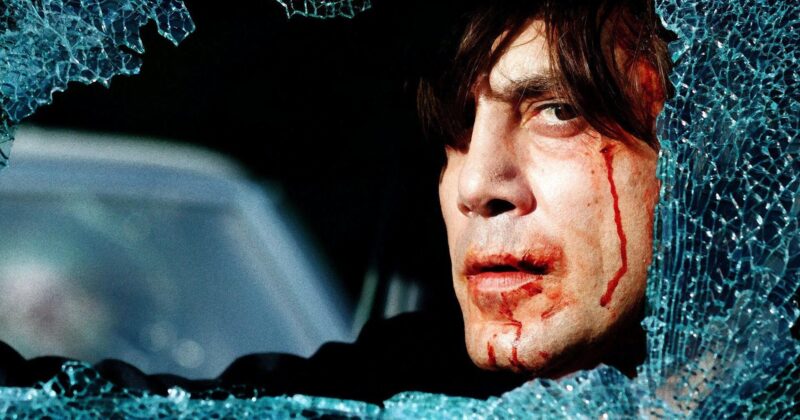
No Country for Old Men distills pure dread, following a man caught between fate and a relentless hitman personified by Javier Bardem’s chilling performance. The Coen Brothers inject a sense of randomness and cosmic indifference that lingers long after the credits roll—a sharp contrast to the tidy moral resolutions of thrillers past. This philosophical approach has influenced a wave of minimalist, slow-burn thrillers in modern streaming catalogs.
Modern Shadows: Sicario
With Sicario, the genre enters an era where the line between good and evil blurs even further. Denis Villeneuve’s direction and Taylor Sheridan’s script immerse viewers in the world of covert operations, adding layers of geopolitical complexity and moral ambiguity. The impact of Sicario resonates in the current crop of thrillers and TV miniseries, where vast conspiracies and ethical dilemmas are now the rule, not the exception.
The thriller genre is not just about pulse-quickening pace; it’s about context, innovation, and timeless human fears. These landmark films have not only defined their decades but continue to inspire storytellers in film, games, and serialized streaming content—all chasing that next big jolt to the system.