Western Movies: Enduring Legends of Cinema
The Western genre may no longer dominate the box office as it once did, but true fans of film know that its legacy continues to shape storytelling, character tropes, and even modern action filmmaking. Once rivaling gangster pictures and horror for popular supremacy, Westerns weren’t just a passing phase—they were cultural events that influenced generations and birthed some of Hollywood’s biggest stars.
Butch Cassidy and the Sundance Kid: Outlaws with Heart
Driven by a script from legendary scribe William Goldman, Butch Cassidy and the Sundance Kid broke new ground by flipping the spotlight—from sheriffs to sympathetic outlaws. Starring Paul Newman and Robert Redford, the film refuses to glamorize violence, instead giving us witty banter, a bittersweet escape plan, and a finale so iconic it’s been referenced from animated satires to blockbuster franchises. The choice to center the narrative around two charismatic fugitives set a new bar for anti-heroes in cinema—a staple that still informs the very best in heist and buddy action movies today.
The Magnificent Seven: Heroism Under Fire
Remaking The Magnificent Seven from the samurai epic Seven Samurai wasn’t just a high-stakes gamble—it was a triumph. The film transposed the universal story of unlikely heroes defending the helpless from Japanese villages to the American frontier, proving that the Western template could transcend culture. This evolution of the ‘dirty half-dozen’ trope—bad men doing selfless deeds—has powered countless blockbuster teams, from mercenaries to mutants. The enduring appeal is unmistakable, as the film’s core call to arms for justice against overwhelming odds remains instantly relatable.
High Noon: Moral Dilemmas in the Sun
High Noon boasts the kind of moral quandary that still resonates in the era of superhero standoffs and noir thrillers. Starring Gary Cooper as Marshal Will Kane, the film becomes a meditation on community, duty, and the cost of true heroism. Unlike many genre peers, Kane’s vulnerability isn’t just physical—it’s existential as he’s left alone by the very citizens he swore to protect. This isolation, and his ultimate act of defiance, make for a timeless lesson in integrity that’s just as sharp in 2026 as it was upon release.
The Man Who Shot Liberty Valance: Truth Versus Legend
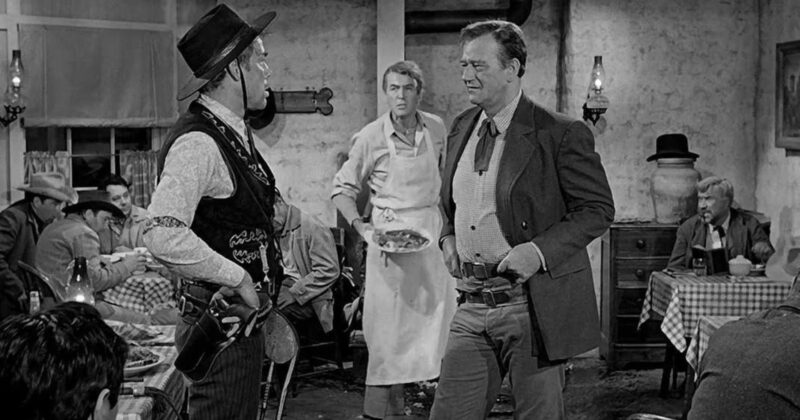
Often cited by directors and critics alike, The Man Who Shot Liberty Valance underscores how stories become myths—and why that matters. With James Stewart as an idealistic politician and John Wayne as the rugged protector, the film explores the tension between public perception and uncomfortable truth. The key revelation—that victory and reputation are sometimes built on secrets—remains deeply relevant, especially in a media landscape obsessed with reputation and viral moments. It’s a Western, but it’s also a quiet commentary on the power and pitfalls of legend-making.
Rio Bravo: The Blueprint for Modern Siege Cinema
Displeased with the bleakness of High Noon, John Wayne answered with Rio Bravo. Here, the Western morphs into what contemporary viewers will recognize as the original siege film. Packed with camaraderie and tense standoffs inside a besieged frontier jail, the formula became a go-to template for later classics across genres—from Assault on Precinct 13 to sci-fi homages like Ghosts of Mars. The DNA of Rio Bravo can be clearly traced in the work of directors such as John Carpenter and Quentin Tarantino.
Shane: The Quiet Hero’s Journey
Where gunsmoke and bravado define many Westerns, Shane is notable for its restrained melancholy. Alan Ladd’s portrayal of the titular gunfighter brings to life the archetype of the reluctant hero. The themes—protecting the innocent, sacrificing one’s own peace—echo in many superhero origin stories today. Its famous ending, with Shane riding into the sunset as a desperate child calls after him, has permeated the DNA of countless stories about sacrifice, legacy, and moving on after the battle.
These classics continue to find new audiences not because of nostalgia, but because their core conflicts—duty, sacrifice, justice, and myth—are universal. Modern filmmakers aren’t just inspired by their style; they build their worlds on the foundations these Westerns laid, ensuring the genre’s spirit lives on in unexpected places.