Tom Hardy’s Alfie Solomons and the Haunting Twist That Almost Changed Peaky Blinders Forever

The Alternate Fate of Alfie Solomons: A Ghost in the Shadows
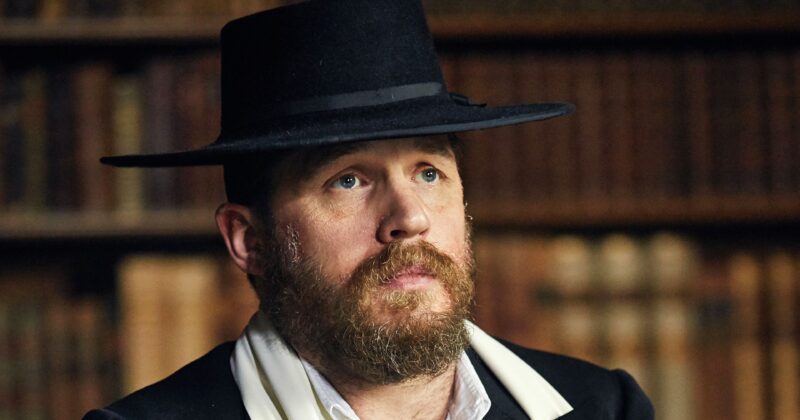
Tom Hardy’s portrayal of Alfie Solomons has left an indelible mark on fans of Peaky Blinders. Infamous for his enigmatic blend of menace and wit, Alfie has navigated the criminal underworld as both an adversary and a reluctant ally to Cillian Murphy’s Tommy Shelby. Yet, for the most recent cinematic chapter, Peaky Blinders: The Immortal Man, a wild narrative twist was almost unleashed—one that would have redefined both Hardy’s character and the core of the series itself.
The Sixth Sense Inspiration That Was Almost Canon
Series creator and screenwriter Steven Knight contemplated a bold, paranormal direction: Alfie Solomons existing in seasons 5 and 6 as a ghost. This idea drew clear inspiration from iconic film twists like that in The Sixth Sense. Had this version reached audiences, every encounter between Tommy and Alfie since that fateful beach confrontation would have retroactively become ghostly visions rather than real-life meetings—making Alfie a manifestation of Tommy’s guilt and trauma instead of a physical adversary.
An Ongoing Theme: Tommy Shelby and His Haunting Past
The presence of ghosts is not unprecedented in the Peaky Blinders universe. Tommy Shelby’s journey is already deeply intertwined with spectral visitations—recurring apparitions of his late wife Grace, and, in The Immortal Man, the ghost of his daughter Ruby. Alfie’s ghostly potential would have only intensified the psychological layering, transforming the series’ gangster folklore into something almost gothic in its exploration of grief and accountability.
Alfie’s Enduring Mystique and Technical Execution
Even without fully embracing the supernatural angle, Alfie Solomons’ existence post-season 4 has always verged on the mythic. Surviving a gunshot with half of his face scarred and reconstructed, Hardy’s performance already conveyed a spectral, almost legendary vibe. Peaky Blinders cleverly blurred the line between myth and reality, playing on the opacity of criminal legends and personal demons—best embodied in Alfie, believed dead by almost everyone except Tommy.
The Psychological Impact: Trauma, Guilt, and Self-Exile
By nearly rewriting Alfie as a phantasm visible only to Tommy, the script would have crystallized a recurring motif: Tommy’s inescapable internal battles and growing sense of isolation. This direction speaks to a broader trend in television, where antiheroes grapple with not only external foes, but their own haunted consciences—as seen in series like The Sopranos and Breaking Bad. Peaky Blinders continues this lineage, using supernatural hints to illustrate the psychological cost of power and violence.
The Future of Camden Town and Peaky Blinders’ Legacy
With Tommy’s story brought to a definitive close in The Immortal Man, the door seems shut on Hardy’s return as Alfie—at least in his familiar physical form. As the franchise eyes a sequel series set in 1953, the likelihood of Alfie’s return diminishes, though the Camden Town gang’s influence may endure, potentially carried forward by a new generation of leaders. This opens fertile ground for future stories, possibly exploring how legends shape real criminal empires, long after icons like Alfie and Tommy are gone.
Pop Culture Reverberations
The unused twist serves as a fascinating case study on how ambitious storytelling can deepen character arcs and viewer engagement. If implemented, Alfie’s spectral presence would have further solidified Peaky Blinders as one of the most psychologically rich crime dramas of recent decades, mixing gritty historical realism with the haunting atmosphere that modern audiences crave.