Toy Story 5: Woody’s Aging Takes Center Stage
The anticipation surrounding Toy Story 5 soared after the recent trailer, signaling a return not only to beloved characters but to the deeper questions that have always set Pixar’s work apart. Over the decades, this franchise has expertly woven child-friendly adventure with existential questions rarely seen in animated blockbusters. The latest film, directed by Andrew Stanton, sets out to revisit one of the series’ most profound and enduring themes: the passage of time and what it means to grow old—even for a toy.
Woody Faces Wear and Tear: More Than Nostalgia
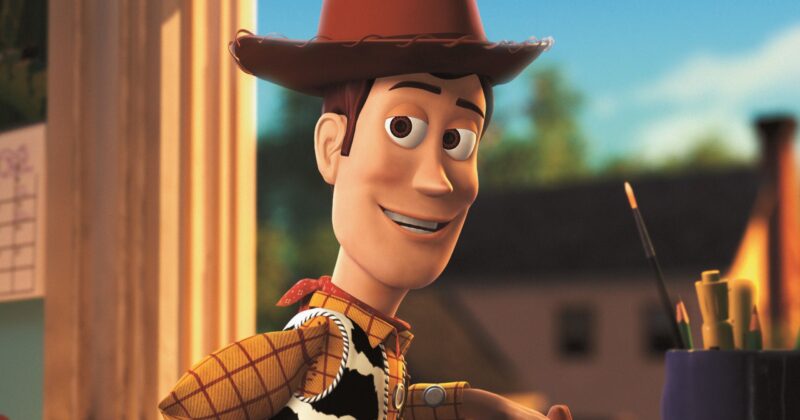
This new installment spotlights Woody’s physical and emotional aging, a direct callback to his journey in the classic sequel where a torn seam exposed both his stuffing and his fear of obsolescence. In the upcoming film, Woody’s struggles with visible signs of age—a bald patch, specifically—lead to moments of both humor and vulnerability. These aren’t just nods to longtime fans but narrative choices that deepen Woody’s arc, highlighting his transition from Andy’s cherished cowboy to a toy wrestling with relevance in a world of smart gadgets. The introduction of Lilypad, Bonnie’s high-tech toy, underscores generational shifts, making Woody the target of playful jabs about being ‘old’ due to his bald spot. Even Forky joins the new era’s commentary, amplifying the tension between tradition and technology.
Repetition as Artistry: Toy Story’s Signature Storytelling
Many fans and critics have noted Toy Story 5’s willingness to repeat elements from earlier films. Rather than feeling stuck in a loop, this repetition serves as an intentional artistic hallmark. The cyclical structure of Woody’s challenges—grappling with damage, loss, and the search for belonging—mirrors the human experience of aging, loss, and reinvention. In this way, each Toy Story entry becomes a variation on a theme, with every return to familiar territory layered with new meaning as technology and culture march forward.
From Museum Dreams to Modern Dilemmas
Fans will remember that Woody’s damaged arm in the saga’s second film did more than set the adventure in motion. It prompted profound questions about legacy: Should he preserve himself in a museum where he’ll last forever, or risk short-lived joy with a child? The meticulous repair scene remains one of animation’s iconic moments—an act that’s equal parts physical restoration and existential reckoning. If the fifth entry echoes this thread, Woody’s new repairs will offer a poignant reminder that even toys—like their fans—must confront change, and sometimes, choose between embracing the present or retreating into nostalgia.
Every Chapter, Aged to Perfection
The thread of aging runs through the entire Toy Story franchise, from Woody’s rivalry with Buzz Lightyear (mediated, in many ways, by questions of who’s newer and more desirable) to his quasi-retirement in the fourth film and existential anxiety felt by newcomers like Gabby Gabby. Choosing a vintage cowboy as the franchise’s narrator always hinted at bigger questions beneath the surface: What happens when our time in the spotlight fades? How do memories and personal connections endure when everything else changes?
Pixar’s Legacy: Animated Allegories for All Ages
Far from being a standard family-film saga, the Toy Story series repeatedly challenges genre conventions—using toys as allegories for universal truths about love, loss, age, and identity. With Toy Story 5, these perennial questions get a fresh twist for a new generation. The creative decision to readdress Woody’s wear and emotional aging ensures that the franchise remains as relevant as ever, not only as entertainment but as a rare pop culture mirror reflecting the very real process of growing older in a fast-changing world.
Behind the Magic: The Team Bringing Woody Back
Directed by Andrew Stanton—whose previous work on ‘Finding Nemo’ and ‘WALL-E’ established him as one of animation’s leading visionaries—the creative team is keenly aware of the stakes. Woody, voiced by Tom Hanks, reunites with familiar voices such as Tim Allen’s Buzz Lightyear and Joan Cusack’s Jessie, alongside new additions like Greta Lee as Lilypad. This blend of old and new voices promises not just another adventure, but a thoughtful continuation of Pixar’s commitment to stories that grow alongside their audience.
With expectations high and a legacy of critical acclaim behind it, Toy Story 5 readies itself to explore once again the bittersweet beauty of change, ensuring its toys—and their fans—never stop evolving.