8 TV Characters Who Underwent Dramatic Transformations by Their Series Finale
Few things highlight a show’s evolution more than watching its protagonists physically change as the story unfolds. Character growth isn’t limited to plot arcs—it’s often written on the faces and wardrobes of our favorite heroes and antiheroes. Here’s a deep dive into eight iconic TV characters whose appearance shifted radically, reflecting their journeys from innocent newcomers to battle-hardened veterans or displaying how the chaos of their worlds left an indelible mark on their visual identity.
Rick Grimes – The Walking Dead
No TV hero embodies transformation quite like Rick Grimes. When audiences first met him, Rick was a clean-cut sheriff’s deputy, five o’clock shadow barely hinting at the storm ahead. But surviving in a post-apocalyptic landscape meant personal grooming took a back seat. Over time, his look morphed into survivalist chic: longer hair, an untamed beard—visual proof that civilization’s niceties had vanished. Alexandria’s running water offered a brief return to clean-shaven normalcy, but the grizzled beard soon grew back, and by his final episodes, Rick’s transformation was as complete as the world’s collapse around him.
Sansa Stark – Game of Thrones
Sansa Stark’s journey is less about physical metamorphosis and more about visual storytelling. Played with nuance by Sophie Turner, Sansa began as a vibrant, idealistic noble dressed in the bright hues of naivety. As courtly betrayals and brutal politics hardened her, her palette darkened: war-black dresses, imposing cloaks—a wardrobe that signaled her shift from pawn to queen, both on the chessboard of Westeros and in the eyes of the audience.
Steve Harrington – Stranger Things
The entire child ensemble of Stranger Things grew up on screen, but Steve Harrington’s makeover tells a richer story. Once the quintessential ’80s jerk with perfect hair and a letterman jacket, Steve’s evolution to humble, beloved protector is reflected in his style; gone is the arrogance, replaced by practicality and warmth. His lived-in look by the series finale underlines his transition from antagonist to mentor—the heartthrob who turned into the ultimate ‘babysitter’ the Upside Down never saw coming.
Michael Scott – The Office
Nobody expected the offbeat boss of The Office to become TV’s most lovable manager, especially after season one’s awkward, slick-haired misfire. Michael Scott’s early look was intentionally off-putting to capture his UK inspiration, David Brent. But as the show’s tone shifted and the writing allowed Steve Carell’s comedic warmth to shine, Michael’s appearance softened: his hair, attire, and general demeanor. His final cameo closes the loop with a distinguished, silver-tinged look—a nod to the passage of time for both character and series.
Chloe O’Brian – 24
Chloe O’Brian is TV’s ultimate analyst-turned-hacker, and her appearance says it all. Initially outfitted for comfortable all-nighters in front of a monitor, Chloe’s look evolved into a slick, goth-inspired aesthetic as she stepped out from behind the screen and into the chaos of the field, echoing the cyberpunk renegades of cult cinema.
Jesse Pinkman – Breaking Bad
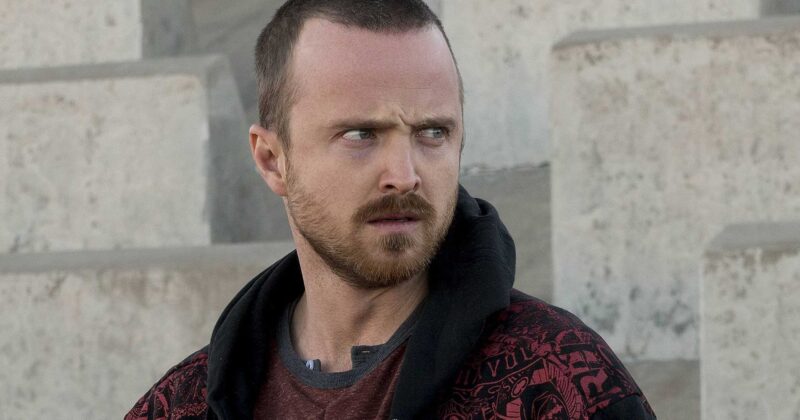
Jesse Pinkman’s arc is a study in visual storytelling. The show takes place over about two years, but those seasons were transformative for Jesse. He changed his entire look: his hairstyle, wardrobe, and even his posture, all hardened by trauma. From baggy street gear to haunted survivor’s grit, Jesse’s transformation does more than mirror Walter White’s—it stands as a visual testament to the toll of the meth empire and everything lost along the way.
Bran Stark – Game of Thrones
Sansa’s brother Bran Stark followed a parallel but distinct path. The passage of time turned Isaac Hempstead Wright from child to stoic seer, but beyond physical aging, Bran’s expression grew distant, almost otherworldly. His stillness and solemnity in later seasons visually separated him from the chaos, underlining his supernatural journey and destiny as the series drew to its close.
Rickety Cricket – It’s Always Sunny In Philadelphia
If there’s a case study in TV character devolution, it’s Rickety Cricket. Introduced as a respectable priest, a series of disastrous life choices driven by his entanglement with the cast drags Cricket into a harrowing transformation: disheveled, scarred, and increasingly unrecognizable. His ongoing descent is not just comedic but a biting satire of how sitcom logic can warp a character beyond repair.
These transformations are more than superficial—they are storytelling tools, layering depth through evolving wardrobes, hair, and makeup. Each arc is a masterclass in how TV uses image as a narrative weapon, turning actors into living storyboards for the worlds they inhabit.