Twilight: The Most Divisive Novel of the Century and Its Box Office Empire
The Surprising Legacy of Twilight: Pop Culture’s Most Controversial Bestseller
When it comes to transformative works in modern entertainment, few have generated as much heated debate as Stephenie Meyer’s Twilight Saga. While other literary giants such as Rowling’s Harry Potter or Tolkien’s The Lord of the Rings have almost universally captured critical acclaim and set the bar for both film and merchandise empires, Twilight carved out a unique space as a cultural behemoth that divided audiences as fiercely as it united them.
From Bestseller to Infamous Poll Winner
Despite selling millions of copies and launching a blockbuster movie franchise that pulled in nearly $3 billion globally, Twilight was recently crowned the ‘Worst Book of All Time’ by readers in a high-profile online poll. With over 5,000 votes outpacing even its own sequels—Breaking Dawn, New Moon, and Eclipse—it dominated the infamous list. Surprisingly, the entire Twilight franchise also ranked among the top 10, a testament to both its controversial reputation and its staying power in readers’ minds.
To set the context, other polarizing titles, such as Fifty Shades of Grey and The Da Vinci Code, shared this dubious honor. Yet, it’s Twilight’s sweeping dominance at the top of the list that underscores its uniquely complicated relationship with pop culture.
Why Does Twilight Spark Such Polarization?
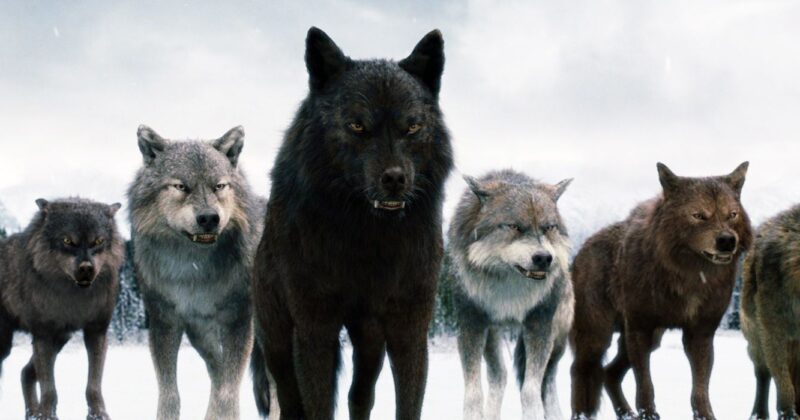
Critics of Twilight often cite its literary style—repetitive prose, excessive focus on telling over showing, and an almost mythic depiction of Edward Cullen’s appearance. However, it’s the dynamic between Bella Swan and Edward Cullen that draws the most scrutiny. Their relationship, marked by intense codependency and Edward’s borderline obsessive protectiveness, has been analyzed as a problematic model of romance in young adult fiction. Add in later plot twists (such as the infamous imprinting subplot) and even longtime fans acknowledge some uncomfortable narrative choices.
It’s impossible to separate the saga’s literary criticism from the wave of pop culture backlash it inspired. Much like Justin Bieber’s early music, Twilight became a meme and shorthand for ‘guilty pleasure’ media, especially targeting entertainment preferred by teen girls. Internet culture amplified the mocking, obscuring thoughtful critique with sheer volume of ridicule. But with the benefit of time, the venom behind the Twilight hate has mellowed; many now recognize that dismissing art enjoyed by young women is part of a larger, problematic media trend.
The Value of Subjective Polls in the Digital Age
Book ranking polls, particularly on massive digital platforms, often mix genuine critique with popularity contests and meme culture. Twilight sitting above literary classics like To Kill a Mockingbird and 1984 in this ‘worst of’ list exemplifies how these internet-driven awards should be taken with a grain of salt.
The growing nostalgia for the Twilight era, fueled by its reexamination through a more nuanced lens, has led to more balanced takes on both its cultural impact and narrative missteps. In a media landscape where once-unassailable franchises like Harry Potter and Game of Thrones face their own critical revisions, Twilight’s dramatic journey from bestseller to internet punchline—and gradual rehabilitation—makes it an essential case study in how public opinion evolves.
Twilight’s Cinematic Universe: A Billion-Dollar Phenomenon
The cinematic adaptation of the Twilight Saga, starting with Twilight (2008) and followed by New Moon, Eclipse, and the two-part Breaking Dawn, translated the YA vampire romance to a new medium, bringing Kristen Stewart, Robert Pattinson, and Taylor Lautner to international stardom. The films packed theaters, generated merchandise crazes, and spawned a devoted fandom that persists across social platforms and conventions.
Key cast members—Kristen Stewart as Bella, Robert Pattinson as Edward, and Taylor Lautner as Jacob—became household names, fueling discussions about young adult representation, supernatural storytelling, and the evolving role of female-driven fandom in shaping media trends.
Twilight’s Place in Contemporary Pop Culture
As Twilight’s legacy continues to be debated, its influence remains undeniable. Whether seen as a literary misstep or a misunderstood milestone, its journey through criticism and adoration is a reminder of how popular fiction can both reflect and shape generational tastes. In an era where rankings, reappraisals, and streaming revivals dictate what’s hot, Twilight stands as a compelling example of art thriving—even in controversy.