The Power of Female Friendship Behind Ugly Cry
When it comes to indie horror, few stories of collaboration are as authentic as the bond that brought Ugly Cry to life. This new body horror film, which made waves after its premiere at SXSW, is more than a nightmarish plunge into the anxieties of fame and beauty – it’s the result of a decade-long creative partnership between Emily Robinson and Ryan Simpkins. Having first crossed paths as teenagers at Sundance Labs, Robinson and Simpkins found solace in sharing their frustrations with Hollywood’s standards. That vulnerability became the foundation for Ugly Cry, both on-screen and off.
From Improvisation to Indie Triumph
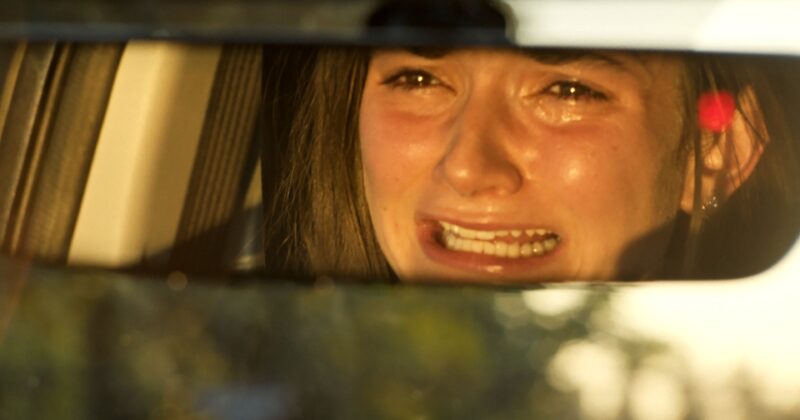
Robinson, known for Eighth Grade, takes on the feat of writing, directing, producing and starring as Delaney. In the film, Delaney, a young actress left isolated when her boyfriend departs for a zombie blockbuster shoot, auditions for her dream role only to be told she has an ‘ugly cry’. The comment spirals Delaney into a psychological descent as she navigates society’s obsession with perfection, culminating in a surreal journey of self-distortion and fame-induced horror. Early versions of the script began as improvisational scenes in Simpkins’s apartment – a testament to making art with what you have. Those rough beginnings matured into a project that now boasts a cast featuring Aaron Dominguez (Only Murders in the Building), Robin Tunney (The Mentalist), Andrew Leeds (Ghosts), and Josh Ruben (Heart Eyes).
Body Horror That Hits Home
Ugly Cry stands out for weaving contemporary anxieties into the fabric of the body horror genre. The film doesn’t shy away from the dangerous loops of social media comparison and self-objectification, themes intensified by the isolation of the pandemic era. For Robinson, the story is deeply personal: having grown up in the entertainment industry, she wanted to dissect the pressures of beauty and gender in an internet-powered age, pushing those experiences to their most extreme form through horror.
The movie leverages horror to provoke honest reflection, not just scares. Simmons, having already made their mark with the Fear Street trilogy and The Exorcism, brings that lived experience into play. It’s less about monsters in the dark than the monsters we internalize – the critical voices amplified by social feeds and impossible standards.
Championing New Voices in Filmmaking
What’s truly special about Ugly Cry is the way it champions new female creators. On set, Robinson was a force: leading, directing, acting, and never losing focus on her vision. For actors like Robin Tunney, this environment was revelatory. She describes her admiration for Robinson as witnessing the kind of autonomy and support for women that was missing early in her own career. Tunney emphasizes how filmmakers like Chloé Zhao have already paved paths, but projects like Ugly Cry encourage actresses to create their own stories, rather than waiting for roles that too often pigeonhole or objectify them.
Ugly Cry: A Genre-Defying Experiment
Ugly Cry is not content to stay in one lane. It’s genre-bending, oscillating from dark satire to raw, unsettling body horror, and back to sharp cultural critique. Robinson shares her passion for telling stories about women on the edge and exploring the body in diverse, sometimes wild, narrative modes. Whether crafting dramedies, horror, or genre hybrids, she has her sights set on disrupting expectations and pulling audiences into new emotional territories.
For horror fans and cinephiles alike, Ugly Cry is a must-watch – not just for its jarring visuals and intense performances, but for how it redefines what horror can express in today’s culture fight over beauty, celebrity, and self-worth.