Undertone: Decoding the Chilling Ambiguity Behind Evy’s Fate and the Film’s Supernatural Mystery

The Haunting Premise of Undertone
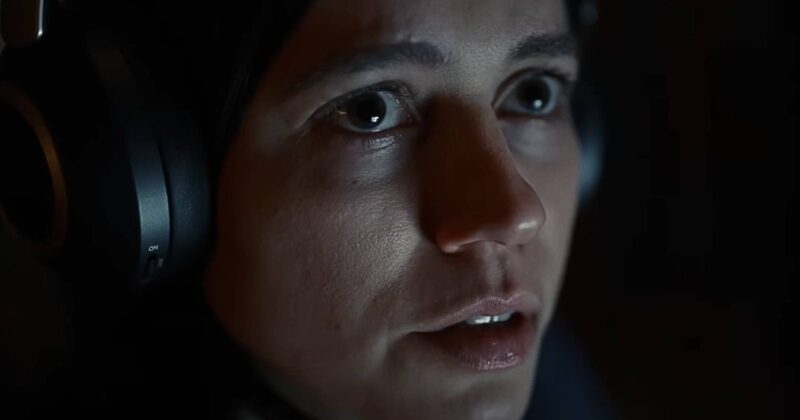
Undertone stands out as a fresh entry in psychological horror, diving into the unease of suburban isolation and the blurry line between reality and the supernatural. Evy, portrayed with visceral vulnerability by Nina Kiri, is pulled into a quiet storm: she cares for her terminally ill mother while running a paranormal podcast from home. What begins as an attempt to debunk unsettling audio recordings quickly unravels into a dance with forces far darker than she imagined.
Mystery and Maternal Terror: What Happens to Evy and Jamie?
Evy’s co-host, Jamie, serves as the unseen voice guiding her deeper into the mystery. As the pair sift through increasingly distorted recordings, sinister elements seep into Evy’s home life: her immobile mother starts to move inexplicably, objects around the house shift, and her own mind teeters on the edge. The audio reveals backwards messages, ominous nursery rhymes, and, chillingly, allusions to women losing their grip on reality—culminating in tales of mothers harming their children.
The climax unfolds with Evy and Jamie drawn into a final recording, discovering the grim fates of previous victims, Mike and Jessa. As they listen, the line between the podcast and reality disintegrates. An unknown entity, once hinted at through garbled voices and religious symbols, now seemingly claims full access to Evy. The film intentionally stops short of showing their ultimate fate. Fragments of a ‘cursed film’—foreshadowed as a harbinger of suicide—appear, intensifying the sense that Evy and Jamie, as well as any live listeners, are marked for doom.
The Nature of the Supernatural Threat
What makes Undertone a standout is its refusal to define its ghost—or demon. The entity stalking Evy is never fully explained, reinforcing the primal fear of the unexplained. Religious iconography is used not for comfort, but as a means of subversion; motherhood, traditionally a symbol of nurturing, becomes a target for corruption.
It’s a narrative choice reminiscent of elevated horror releases in recent years, where ambiguity reigns and psychological terror is weaponized. The film draws on dark folklore, especially the historic roots of nursery rhymes, to create a connective thread between past atrocities and modern fears. By tapping into generational trauma and maternal anxiety, Undertone positions itself alongside other genre films that weaponize the everyday as source material for horror.
Layered Themes: Life, Death, and Unresolved Guilt
Central to Undertone is the concept of mortality, with Evy caught between two forms of impending death—her mother’s slow decline and her own unplanned pregnancy. The caregiving dynamic is emotionally fraught, flipped from childhood memories of care to the haunting reality of terminal illness. Evy’s pregnancy introduces dilemmas about autonomy, responsibility, and unwanted cycles—a motif echoed in the audio’s tales of mothers and children meeting tragic ends.
This life-death interplay is handled without exposition or easy answers. The film refuses to confirm whether the hauntings are supernatural or symptomatic of Evy’s breakdown, a choice that keeps audiences questioning every frame. There’s no catharsis, just lingering dread—themes that connect Undertone to classics and recent horror games alike, where player or viewer agency is intentionally undermined to intensify discomfort.
Why Undertone’s Ambiguity Works
Undertone’s emotional power is amplified by what it withholds. Instead of presenting a clear-cut villain or resolution, the film lets the audience ruminate. The story’s refusal to ‘tie things up’ invites analysis, theorycrafting, and community debate—a common thread in today’s best horror franchises and narrative-driven apps, where ambiguity sparks engagement long after the credits roll.
The ambiguity reaches beyond narrative, too, affecting form. Audio manipulation, shifting perspectives, and visual references to so-called cursed media echo the aesthetics of viral short films and horror ARGs (Alternate Reality Games), appealing to fans who crave immersive, atmospheric storytelling over straightforward jump scares.
Undertone’s Place in Modern Horror
By drawing upon pop culture’s fascination with podcasts, lost media, and blurring the boundaries of digital and real-life hauntings, Undertone transcends simple genre labels. It’s a sharp, slow-burning story that rewards viewers willing to sit with discomfort. Whether watched alone late at night, dissected on Reddit, or debated on fan podcasts, Undertone cements its place in the new wave of psychological horror, making its unanswered questions its most potent weapon.