V for Vendetta: A Dystopian Classic Transcending Its Origins
When V for Vendetta first arrived in theaters, audiences were introduced to a visually powerful and politically charged adaptation that has only grown in cultural relevance. The film, brought to life by director James McTeigue and produced by Lana and Lilly Wachowski, adapted the groundbreaking graphic novel by Alan Moore and David Lloyd. Yet, this celebrated adaptation came to the screen burdened by controversy—most notably, its original author’s staunch refusal to endorse the production.
The Cinematic Vision: V and Evey in a Totalitarian Britain
Set in a nightmarish near-future United Kingdom, V for Vendetta tells the story of a masked vigilante, known simply as V (portrayed by Hugo Weaving), leading an audacious crusade against a brutally oppressive regime. Wielding the iconic Guy Fawkes mask—a symbol now synonymous with modern activism—V engineers acts of sabotage while inspiring Evey Hammond (Natalie Portman) to join his rebellion. Together, their mission culminates in a daring plot involving the destruction of Parliament’s seat of power, all while navigating themes of identity, freedom, and resistance to control.
Reception: Box Office and Audience Impact
Despite the original creator’s deviation, V for Vendetta resonated with viewers and critics alike. The film earned over $134 million worldwide, significantly surpassing its production budget, securing a respectable 73% on Rotten Tomatoes, and capturing the imagination of millions. Its impact was further cemented by nominations at the Hugo Awards, Satellite Awards, and Saturn Awards, underscoring its significance in the genre of science fiction and dystopian cinema.
A Shift in Political Allegory
One of the starkest differences between the comic and its film counterpart is its approach to political extremism. Alan Moore’s original narrative delves deep into a grim battle between fascism and anarchism, challenging the reader to confront moral ambiguity and radicalism. The adaptation morphs this universe into a critique more reflective of its own era, echoing themes resonant with American audiences under conservative government, reminiscent of contemporary debates on state surveillance and personal liberty. The imagery of Adam Sutler (played with chilling gravitas by John Hurt), broadcast omnipresently across enormous screens, directly evokes Orwellian dystopias such as Nineteen Eighty-Four, while also echoing cinematic predecessors like THX 1138 and The Hunger Games.
Alan Moore’s Disownment: The Artist, Hollywood, and Intellectual Authority
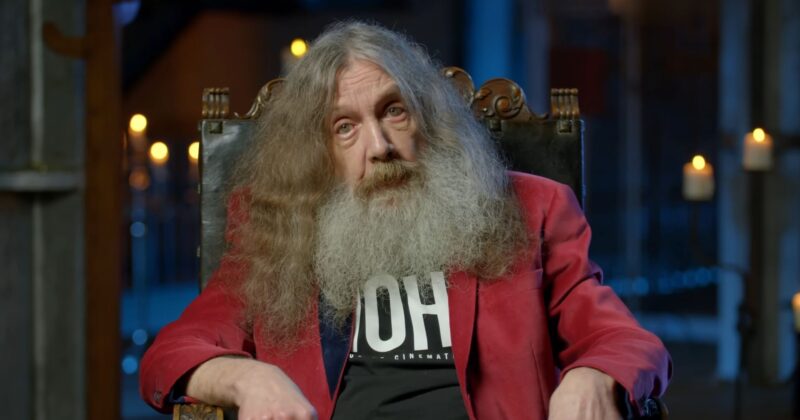
Alan Moore’s estrangement from the film is a story of creative control and industry disillusionment. While many regard Moore as a visionary—creator of such classics as Watchmen and The League of Extraordinary Gentlemen—Hollywood’s history with his adaptations is fraught. Moore’s opposition wasn’t a reaction to the quality alone: it stemmed from both radical script changes and from past misrepresentations regarding his involvement. Moore’s name is notably absent from the film credits, with only co-creator David Lloyd remaining acknowledged. Following disputes with Warner Bros. and previous frustrations from earlier adaptations (such as From Hell and The League of Extraordinary Gentlemen), Moore opted to dissociate from all film projects based on his work.
Moore’s criticisms focused on specific alterations. The film, in his view, lacked the nuanced duality between opposing totalitarianisms that he painstakingly crafted in the original comics. He also highlighted inconsistencies and plot deviations that diverged from his vision. After legal controversies relating to alleged plagiarism and perceived misrepresentation, Moore severed his relationship with DC Comics and reiterated his stance against any future cinematic endeavors involving his stories—which extends to adaptations of Watchmen, Constantine, Batman: The Killing Joke, and HBO’s Watchmen series.
The Enduring Power of Dystopian Narratives
In the years since its release, V for Vendetta has endured as both a thrilling cinematic ride and a vital touchstone for political metaphor in pop culture. The haunting depiction of a society ruled by fear, propaganda, and unchecked authority remains relevant; the film’s iconography—such as the Guy Fawkes mask—extends far beyond cinema, inspiring global protest movements and digital activism. Even without the blessing of its original creator, the adaptation’s artistry and provocations continue to be dissected and discussed, cementing its status as one of the most influential comic book adaptations of all time.