Valerie Cherish’s Complex Turn: How ‘The Comeback’ Redefines Its Leading Lady

Valerie Cherish Steps Into the Shadows
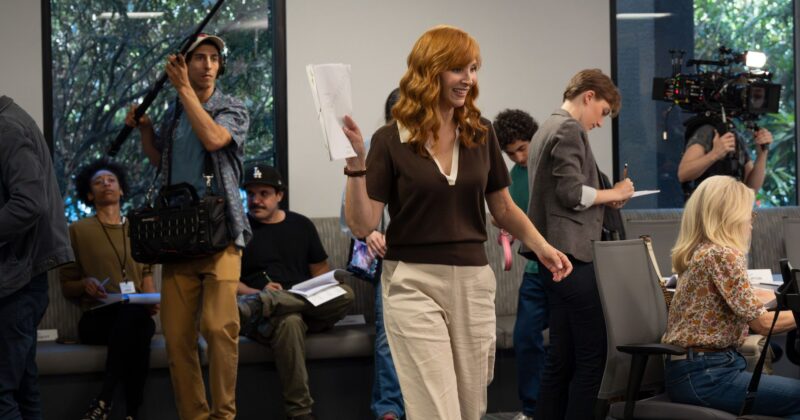
Valerie Cherish has always been a character viewers couldn’t help but root for, even when her quest for the spotlight bordered on cringe. But the latest season of The Comeback thrusts her into a distinctly new role—one she never saw coming and that viewers never expected: an inadvertent villain. This isn’t your classic, mustache-twirling TV villain, but a deeply human, painfully recognizable transformation, rooted in the collision of Hollywood ego and technological disruption.
A New Era of Power (and Secrets)
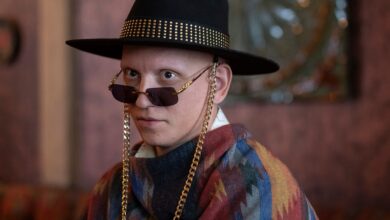
For years, Valerie felt in control—or at least tried to convince everyone she was. Her awkward banter with Jane and the reality TV crew made for unforgettable comedy, but always from the position of someone striving to be part of the Hollywood machine. Everything shifts as Valerie sits down with NuNet’s executive team (highlighted by an appearance from Andrew Scott, bringing his own brand of charming detachment), discovering her upcoming sitcom, How’s That?!, will be co-written with generative AI. For an actress who prides herself on perseverance and talent, this technical twist is the perfect storm.
The Secret that Changes Everything
Season three’s second episode, ‘Valerie Has A Secret’, marks a pivotal moment. For the first time, Valerie wields real power, holding onto the knowledge that her show is partly written by AI—a fact she is asked to strictly conceal. Yet in classic Valerie fashion, the secrecy fuels her sense of importance rather than responsibility. Her attempts at covertly championing the AI angle are both oblivious and audacious, forcing viewers to wrestle with admiration and frustration in equal measure.
As Valerie runs into Jane—her former producer whose life has clearly improved since leaving reality TV—the dynamic turns bittersweet. Valerie, ever eager, shares the show’s digital secret, not out of malice, but as a veiled plea for Jane’s input and validation. It’s a subtle moment that reveals just how much Valerie’s hunger for relevance overrides her personal connections.
AI in Hollywood: More Than Just a Plot Device
The creative decision to introduce AI as a co-writer couldn’t be timelier. Hollywood is in the midst of profound conversations about automation, copyright, and the very soul of storytelling. While Valerie is officially assured that her sitcom stays within Writer’s Guild guidelines, her giddy acceptance exposes the tension many feel about AI in entertainment—caught between curiosity and unease. The ethical gray area isn’t just a backdrop; it’s now woven into the DNA of Valerie’s character arc.
Why This Valerie Feels So Real
What makes this transformation so effective is that Valerie never intends to become the antagonist. Her defense mechanisms—an intoxicating blend of ego, neediness, and naivety—kick into overdrive as she graduates from on-screen talent to executive producer. The show’s depiction of her blundering through industry politics and rapidly changing norms feels eerily relevant to anyone tracking today’s TV landscape, where tech can either amplify marginalized voices or marginalize creative input altogether.
Performance, Persona, and the Perils of Fame
Lisa Kudrow’s portrayal of Valerie continues to be a masterclass in nuance. Kudrow peels back layers, offering not just comedic timing but a complexity that mirrors real industry dilemmas about authenticity and reinvention. It’s a narrative that resonates far beyond one sitcom or even one era of television. If anything, this season’s darker, more self-interested Valerie is a mirror held up to a business obsessed with reinvention, validation, and staying relevant—no matter the cost.
With the series’ careful blend of satire and truth, Valerie’s latest arc forces everyone—fans, critics, and industry insiders alike—to consider just who gets to control the narrative in an evolving entertainment landscape, and at what price.