Netflix’s Vladimir: Euphoria, Obsession, and Unreliable Narratives
Netflix‘s new eight-episode erotic thriller, Vladimir, redefines what viewers expect from streaming dramas. Loosely adapted from Julia May Jonas’ acclaimed novel, the miniseries catapulted to the platform’s global Top 10 almost overnight, captivating audiences with its audacity to upend the very foundations of storytelling. Whether you’re a fan of psychological thrillers or gothic romance, Vladimir invites you to question reality, narrative, and even your own perceptions.
When Desire and Danger Collide: The Pulse of Vladimir
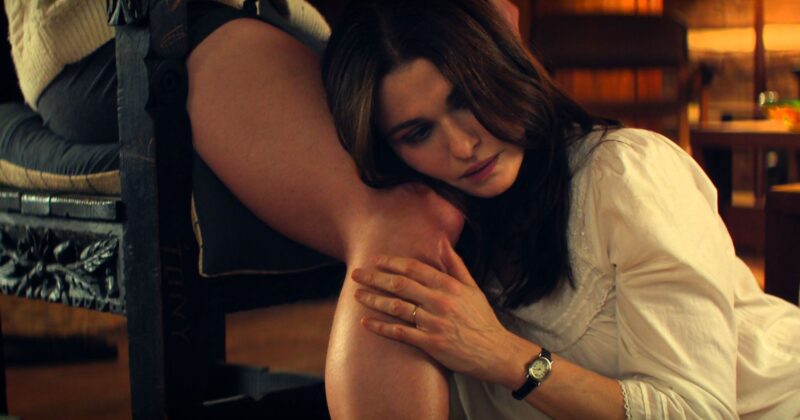
Sex and danger make for an intoxicating combination, and Vladimir masterfully exploits both. At its core, the plot centers on a literature professor (Rachel Weisz), known to fans and critics alike as ‘M’, whose marriage is unraveling due to her husband’s scandalous relationships with students. When a magnetic new professor, Vladimir (Leo Woodall), arrives, M becomes entangled in a web of obsession, fantasy, and blurred truths.
But this isn’t standard fare for the genre. The miniseries is fearless in breaking one of the most sacred rules of television storytelling: the contract of trust between creator and audience. Here, reality and fantasy freely intermingle, and the boundary between them is purposely obscured.
The Power of the Unreliable Narrator
Vladimir goes all-in with an unreliable narrator—a bold narrative decision that drives the series’ psychological depth. M’s perspective dominates every scene, yet the audience is provided with few visual or contextual cues about what’s real and what’s imagined. Some sequences are shot with a dreamlike, surreal glow, while others depict fantasy with almost documentary realism. These creative choices force viewers to interrogate every moment: can you trust what you see, or are you trapped inside M’s mind?
Instead of leading to frustration, this intentional slipperiness electrifies the story. M’s unreliability becomes the show’s only constant—a brilliant inversion that raises the stakes, especially in the second half of the series. Pop culture fans will find echoes of classic psychological thrillers like Gone Girl and Memento in how Vladimir toys with audience expectations and narrative reliability.
Gothic Tropes Reimagined
The show’s finale is nothing short of a fever dream. By episode eight, viewers are transported wholesale into the world M’s been crafting within her own novel. Here, Vladimir wears its literary inspirations on its sleeve: tyrannical men, simmering power dynamics, and suffocating environments all evoke the strongest motifs of the gothic romance tradition, reminiscent of timeless works like Jane Eyre and Rebecca.
A meta twist sets in as M positions herself as the hero of her own gothic fantasy, even orchestrating a classic house fire—a nod to one of literature’s oldest symbolic acts of liberation. Suddenly, the question isn’t what’s real, but whose story is being told. M’s climax isn’t about resolving plot, but about seizing narrative power for herself.
Truth, Fantasy, and Narrative Control
The thrill of Vladimir is that it refuses to deliver straightforward answers. The boundary between M’s subjective experience and objective fact grows increasingly ambiguous, particularly in the final act. From the moment M drugs Vladimir and events unfurl in what might be fantasy or reality, the audience is left with multiple valid interpretations. Is Vladimir simply playing into M’s desires, or is every moment after the drugging pure invention?
This deliberate ambiguity feels right at home with the contemporary appetite for morally complex, open-ended storytelling, aligning Vladimir with innovative series like Russian Doll and Sharp Objects. It’s a Netflix standout thanks to its willingness to give viewers space to decide how much trust to invest—not just in the conflicted protagonist, but in the storyteller themselves.
Why Vladimir Is a Must-Watch for Streaming Aficionados
Vladimir isn’t just another addition to Netflix’s already stacked arsenal of psychological dramas. With sharp writing, haunting performances, and an uncompromising vision, it challenges assumptions about truth, agency, and narrative ownership in serialized streaming fiction. If you crave shows that dare to break rules and reward close viewing, Vladimir deserves a spot in your queue and your next group chat.
Discover the limits of obsession—and the creative possibilities unlocked when storytellers throw away the rulebook.